Mycotoxins and hoof disorders in cattle: attention to feed hygiene
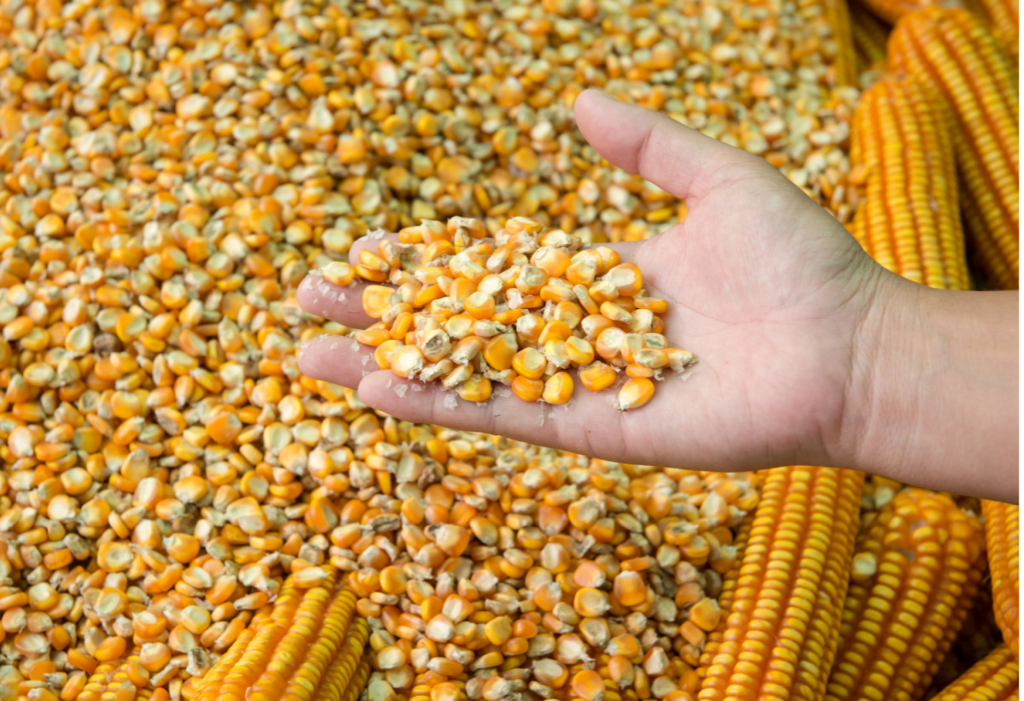
Climate variations in recent years, combined with current cultivation, harvesting, storage, and feed delivery techniques, have led to an increasing frequency of contamination of silages, cereals, and their by-products by fungi—particularly of the genera Aspergillus spp. and, even more so, Fusarium spp. The latter are
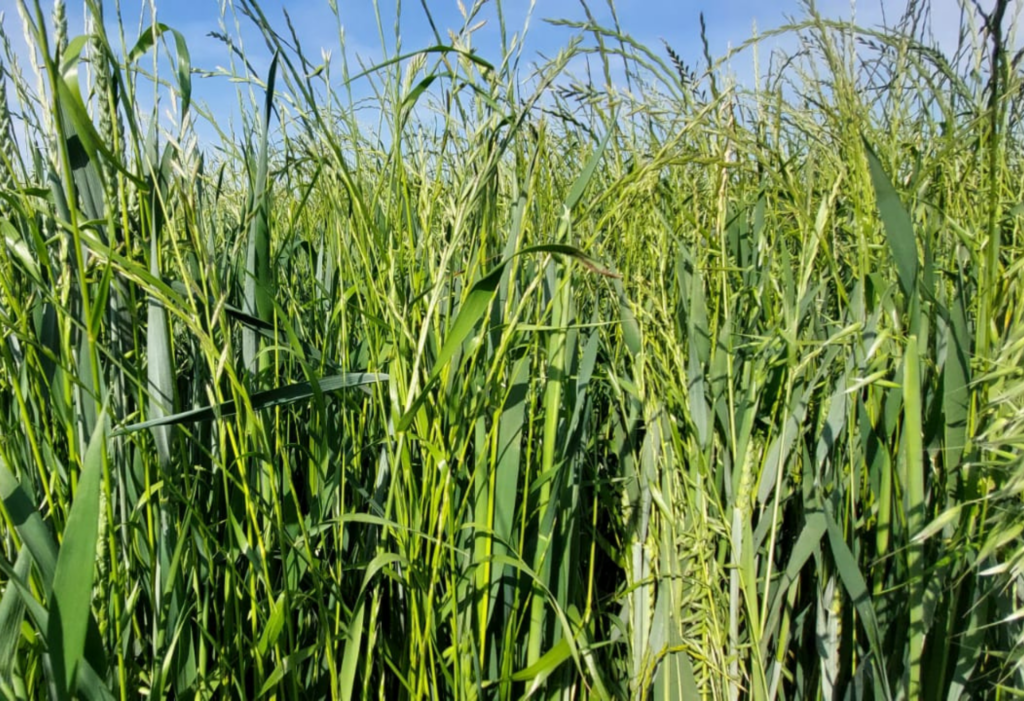
The advantage of using grass mixtures compared to single-species seeding The choice of pure ryegrass forage must follow strict criteria, as its tendency to absorb large amounts of potassium and nitrates makes it highly susceptible to lodging. Moreover, this often results in a product that
Why do lameness issues in dairy cows show a higher incidence after the end of summer?
In this third article dedicated to syndromes typically observed in autumn on farms, we will address hoof-related problems. Hoof diseases, such as lameness, can be caused by various factors, including laminitis, which represents the final manifestation of several conditions that may have different origins, such
What happens after summer? Analysis of the main issues observed in late summer and autumn. Part II Alteration of the estrous cycle, with a consequent concentration of calvings toward the end of summer and autumn, very often leads to overcrowding and certainly to an increase
What happens after summer? Analysis of the main issues observed in late summer and autumn. It is well known that the slowdown in production and the decrease in milk yield during the summer months are the result of a combination of unfavorable environmental conditions (heat
QUESTIONS, ANSWERS AND ADVICE ON HEAT STRESS Heat stress occurs whenever the animal is exposed to a temperature above its “thermoneutral zone” We can define the thermoneutral zone as the temperature range within which the animal does not show the characteristic symptoms of heat stress