
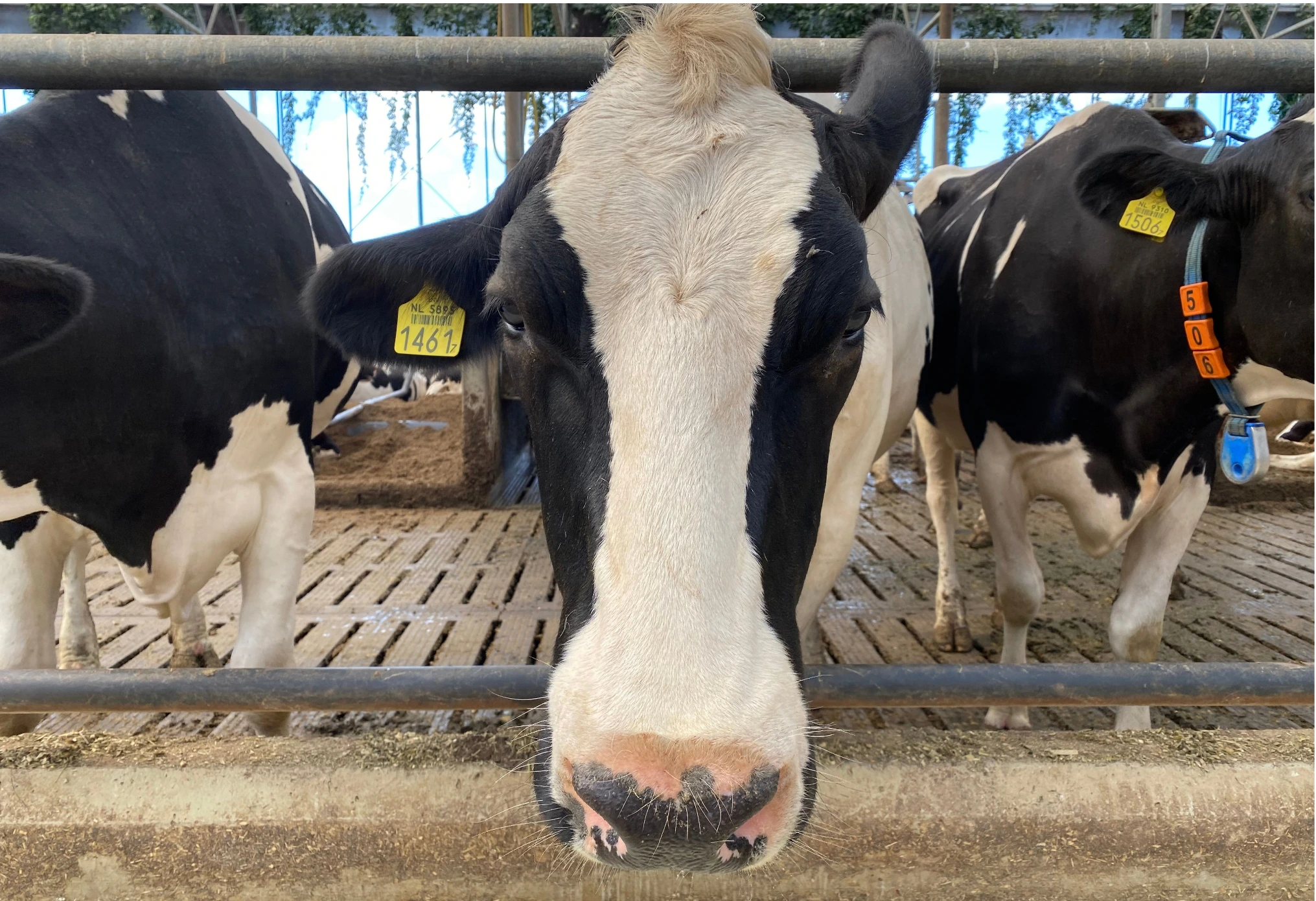
The transition phase — that delicate period spanning the last three weeks of the dry period and the first thirty days of lactation — is the real ‘litmus test’ for any dairy farm. During this period, the cow undergoes profound hormonal, metabo
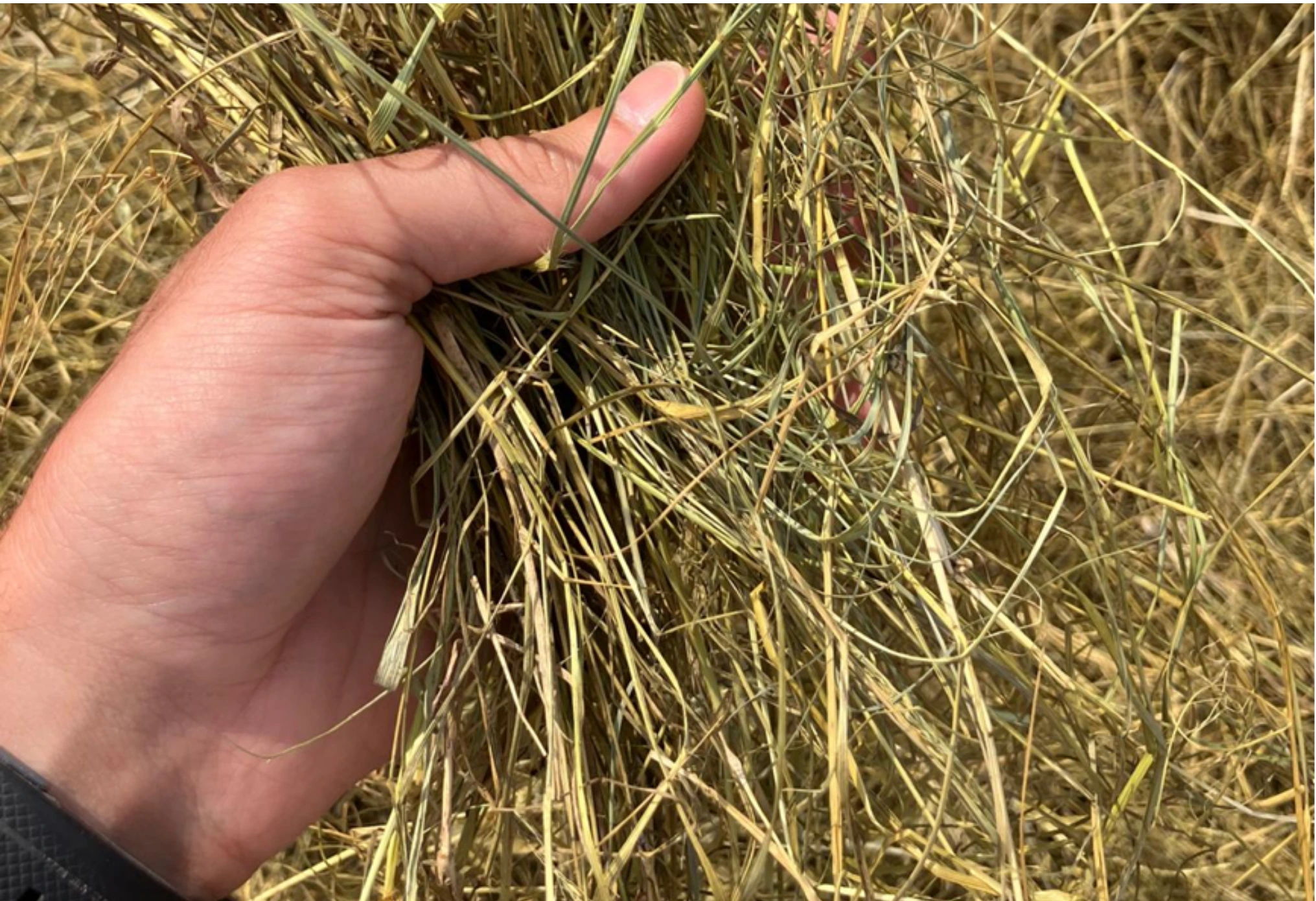
Silage production is now one of the cornerstones of ruminant feeding on modern farms. Originally developed in the Nordic countries to ensure the availability of feed during the winter months, this preservation technique has become widely established
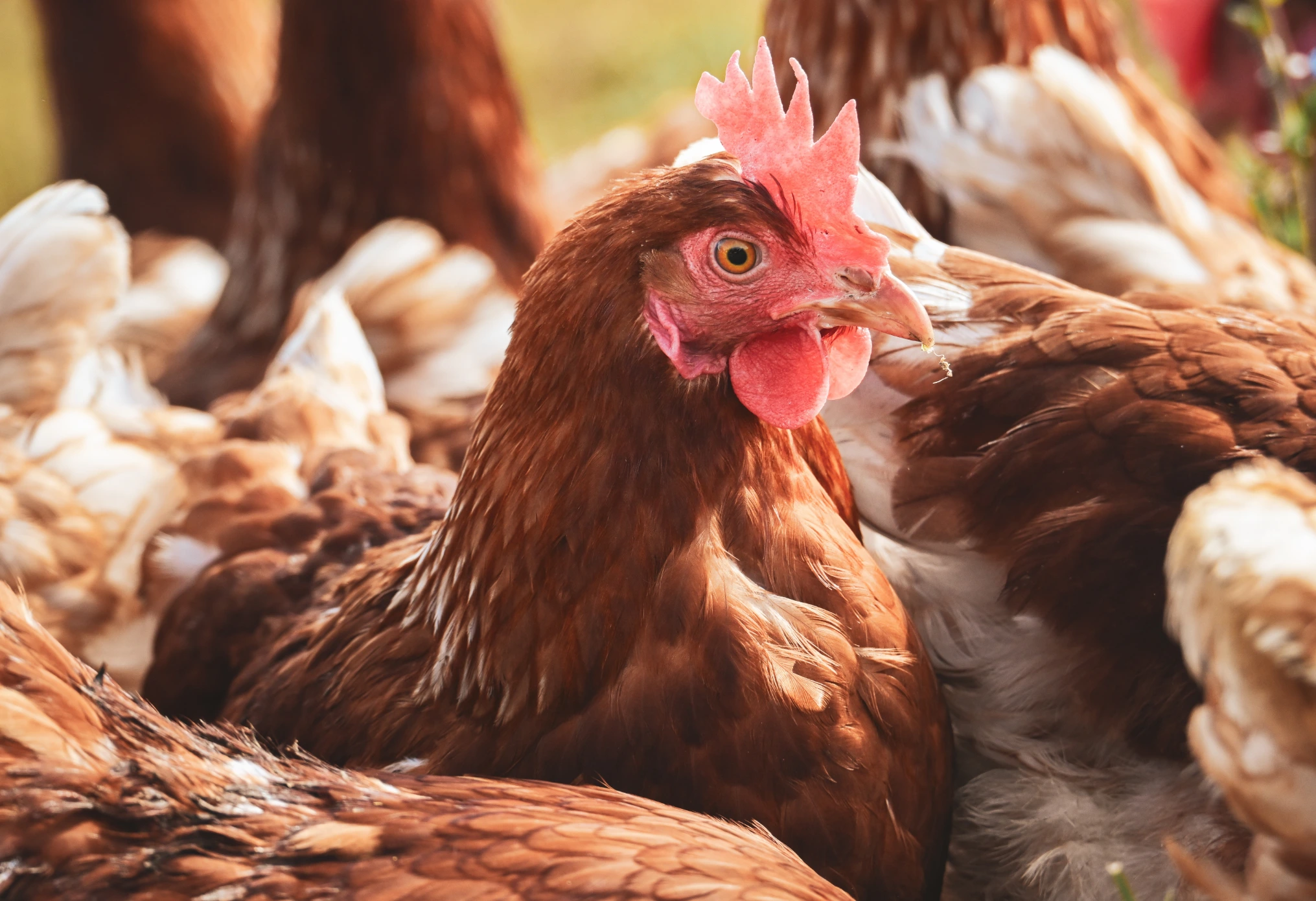
In modern poultry production systems, characterised by high production standards and rapid growth rates, maintaining the animals’ physiological balance is key to ensuring both animal welfare and the profitability of the farm. Among the most critica
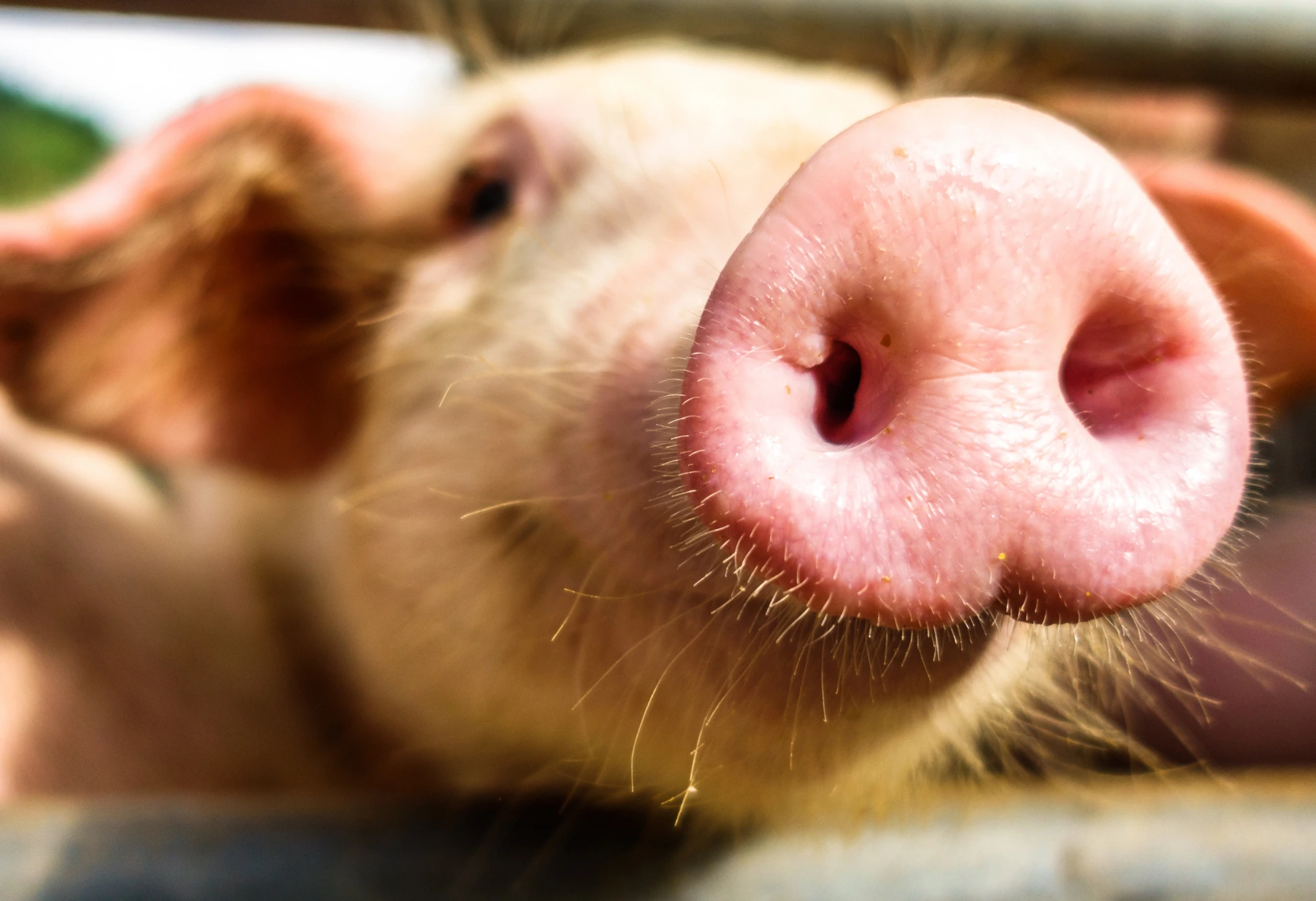
On modern pig farms, pigs may be exposed to numerous stress factors throughout their production cycle. Weaning, the formation of new groups, transfers between units, transport, high stocking densities and environmental changes are all situations that
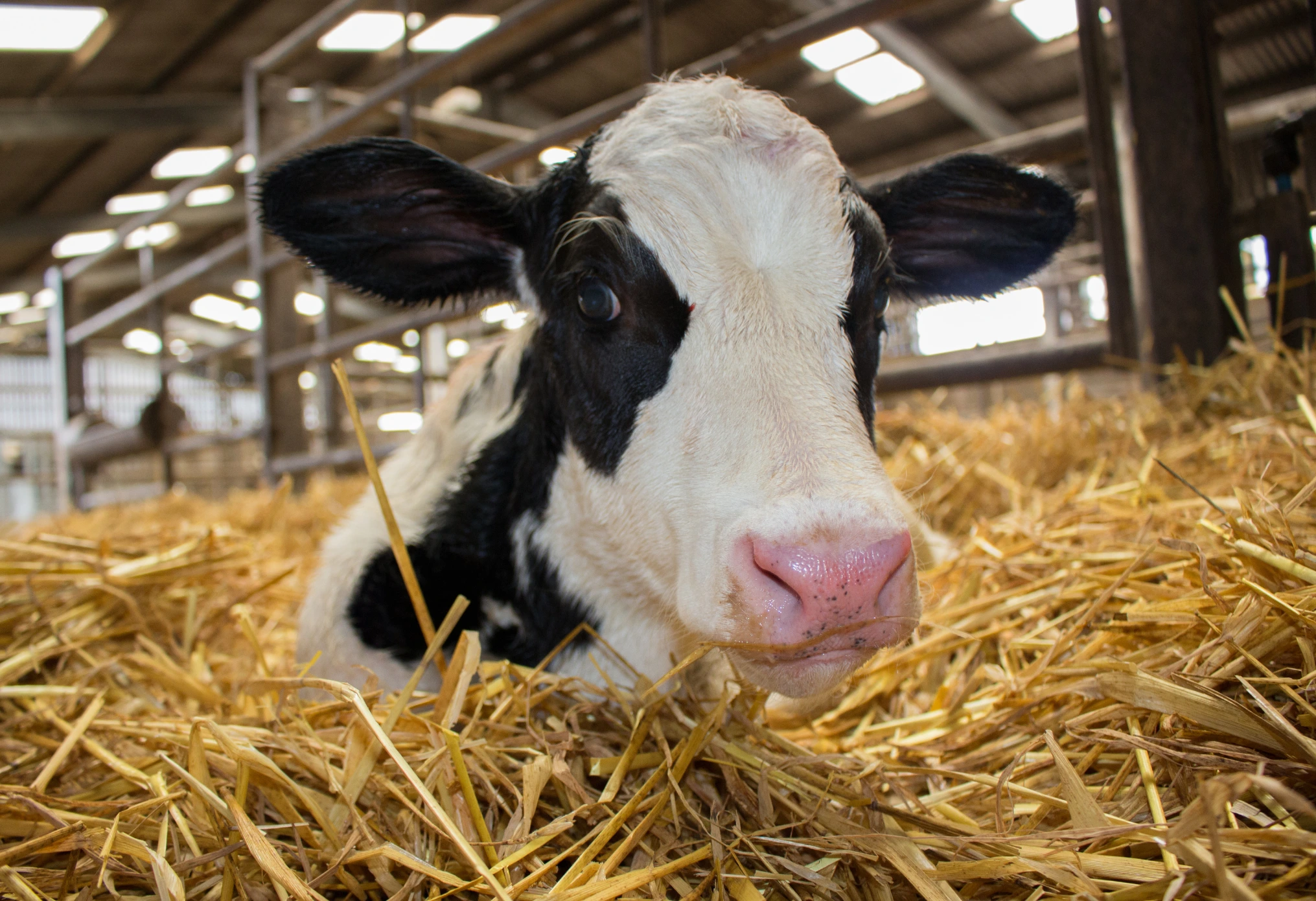
In the common perception of livestock farming, heat stress is a phenomenon that mainly affects lactating cows. However, research and field evidence show that calves are just as vulnerable to high temperatures. Whilst cooling systems are now standard
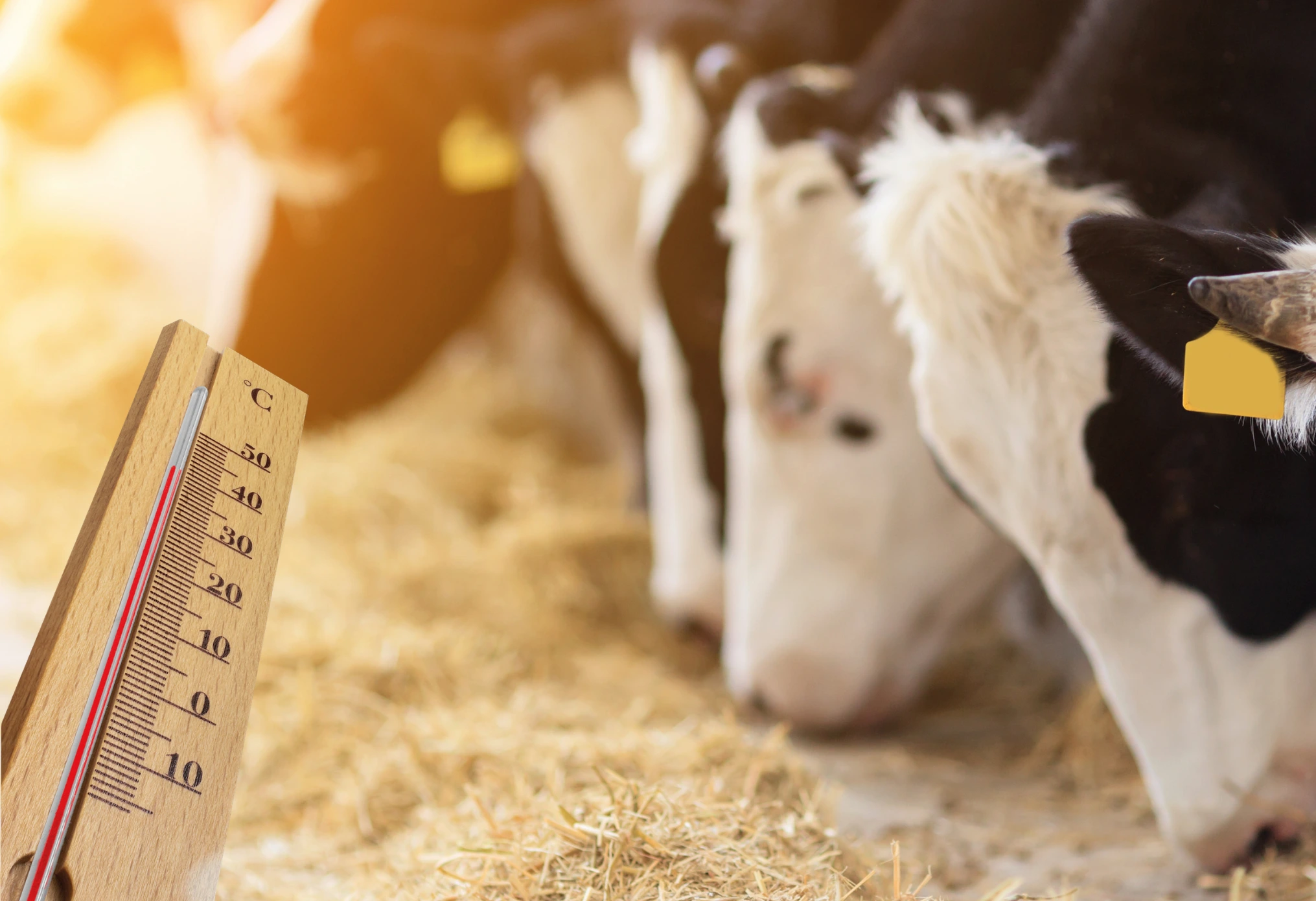
Heat stress is not simply a reduction in feed intake or a temporary decline in production. It is a complex physiological response involving metabolism, intestinal health, the immune system, fertility and production. Understanding the mechanisms under