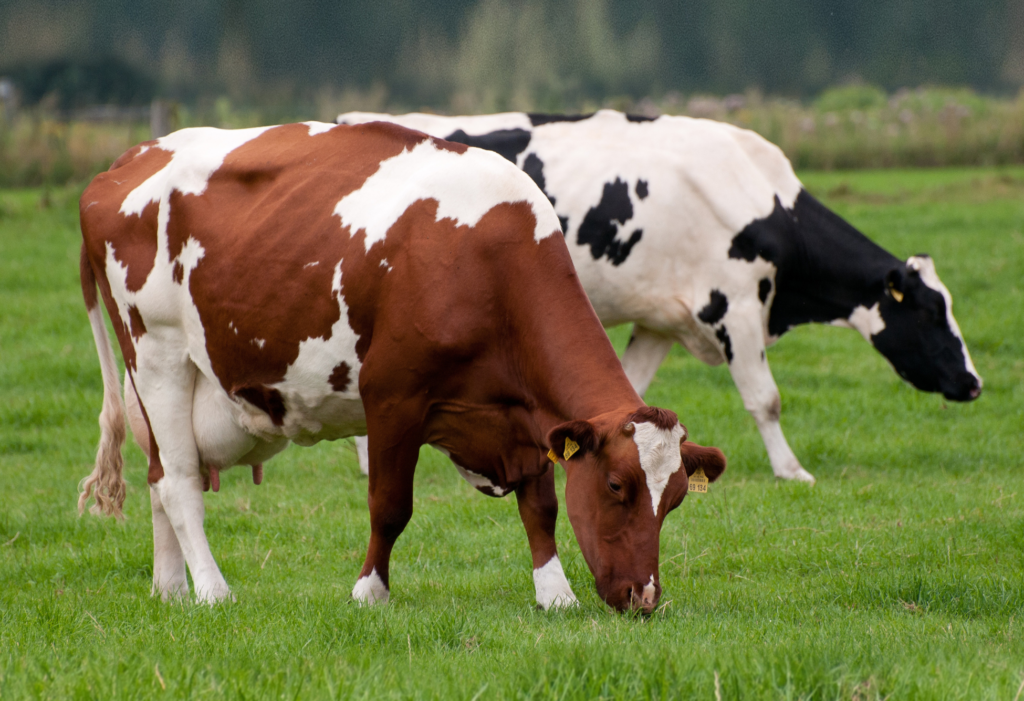
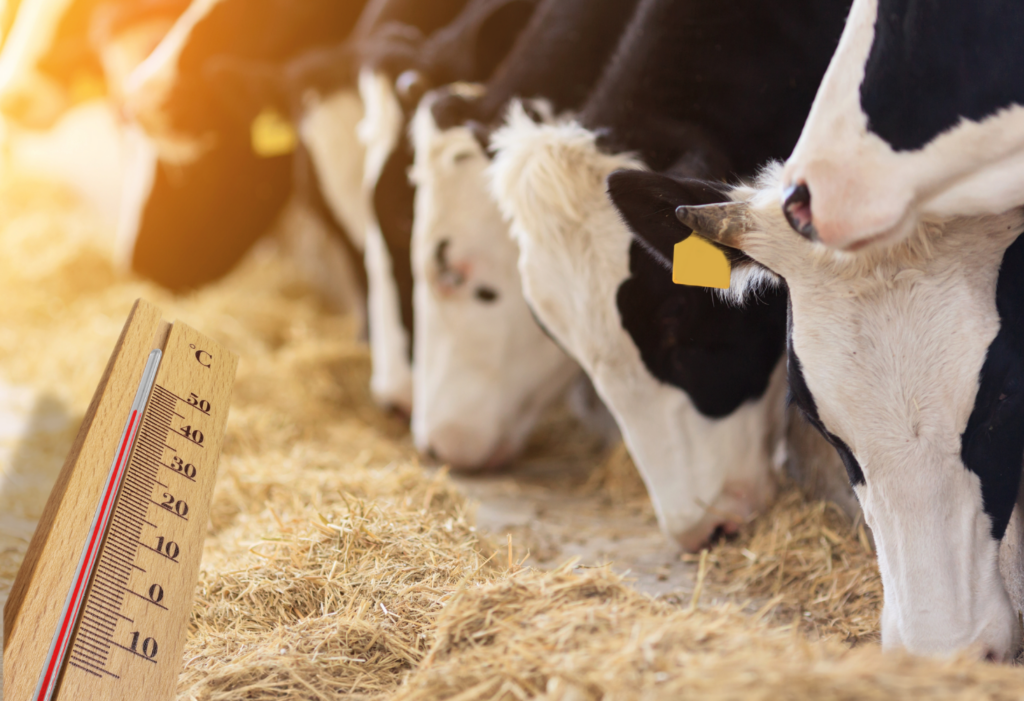
What are the main consequences of heat stress? Impaired growth performance Numerous studies conducted in dairy cattle highlight the dramatic effect that heat stress exerts on productive performance, reproductive function, health status, and even animal survival; although information regarding beef cattle is much more limited,
LEAKY GUT SYNDROME OR LGS A challenge to overcome for the welfare, health and productivity of cows and calves. Leaky Gut Syndrome, or LGS, can be generally defined as the inability of the intestinal barrier to function as a semipermeable membrane, that is, to absorb
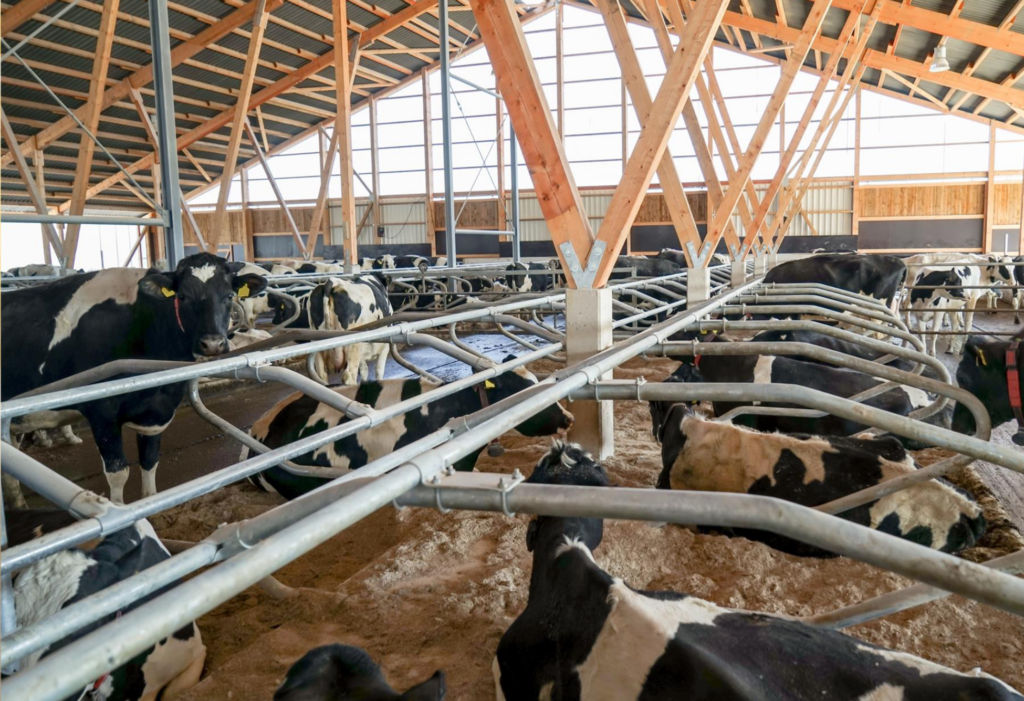
Environmental solutions to reduce heat stress: how to obtain dry bedding with reduced fly presence Environmental solutions to reduce heat stress: everything you need in a single product: SUMMER 300 TOP As mentioned in the previous sections, during the summer period dairy cows must implement
Nutritional solutions from research against heat stress
Nutrition: targeted supplementation for the summer period In this second article dedicated to heat stress, we will analyze the development of the product NDF 150 Summer. NDF 150 SUMMER Complementary feed for dairy cows Why use it against heat stress in dairy cows? F.P.A.O.: Aspergillus
The proven effectiveness of betaine and PFAO (Aspergillus oryzae fermentation product) for proper nutritional management In this first article dedicated to heat stress, we will analyze the development of NDF 100, which, in its summer formulation with a significant addition of betaine, is marketed as
How to enhance the intestinal microbiome As discussed in the previous article, the intestinal health status of the calf depends on a condition of microbiota eubiosis. This condition can be supported through the use of specific nutritional aids. Probiotics, for example, are beneficial bacteria present