Performance improves when the diet is rich in metabolizable protein and balanced in terms of amino acids After calving, cows must rapidly increase dry matter intake to meet nutrient requirements and support the rise in milk production. During the first weeks of lactation, intake is
Oxidative stress and the resulting inflammatory cascade
A combination that should not be underestimated and must be properly managed Editorial published in Ex-Dairy Press, 2023 Oxidative processes are fundamental to life. However, organisms with high metabolic activity—such as high-producing dairy cows—are exposed to a risk of oxidative stress, particularly during specific physiological
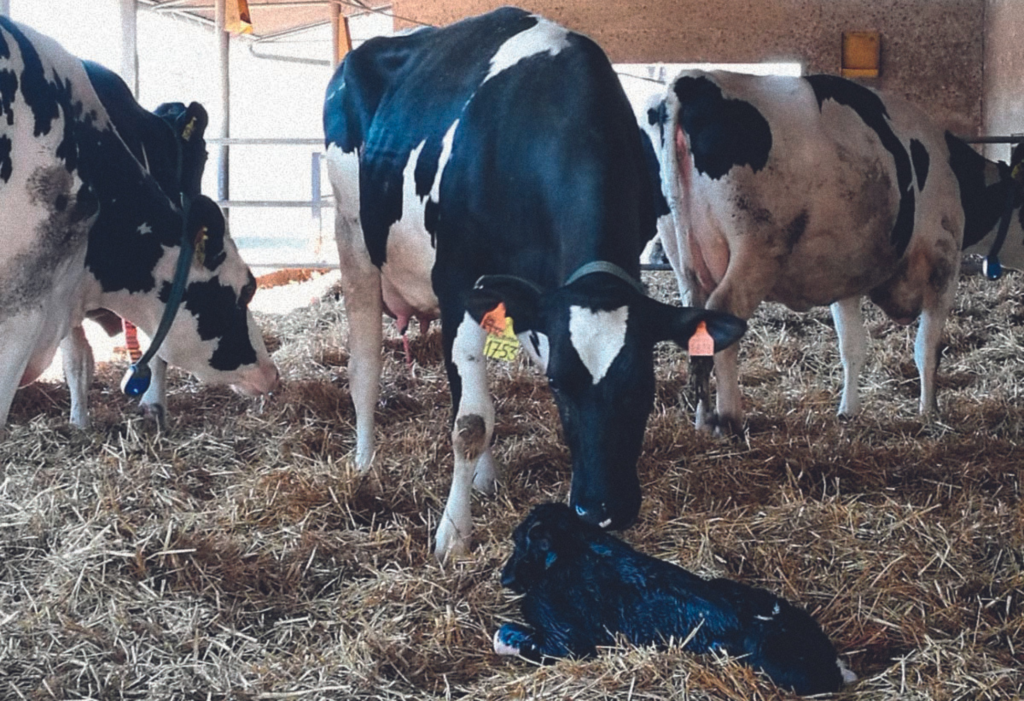
Physiological if mild and transient At calving, the large and sudden demand for calcium associated with the expulsive phase, together with the marked calcium outflow due to colostrum production, leads—even under optimal conditions—to a normal reduction in blood calcium levels in the cow. This condition
An important contribution from nature Probiotics, understood as microorganisms or their derivatives, have shown an interesting role in stimulating rumen development. Yeast cells, for example, contain RNA and free nucleotides, amino acids, B-group vitamins, and numerous enzymes. These enzymes contribute to the breakdown and utilization
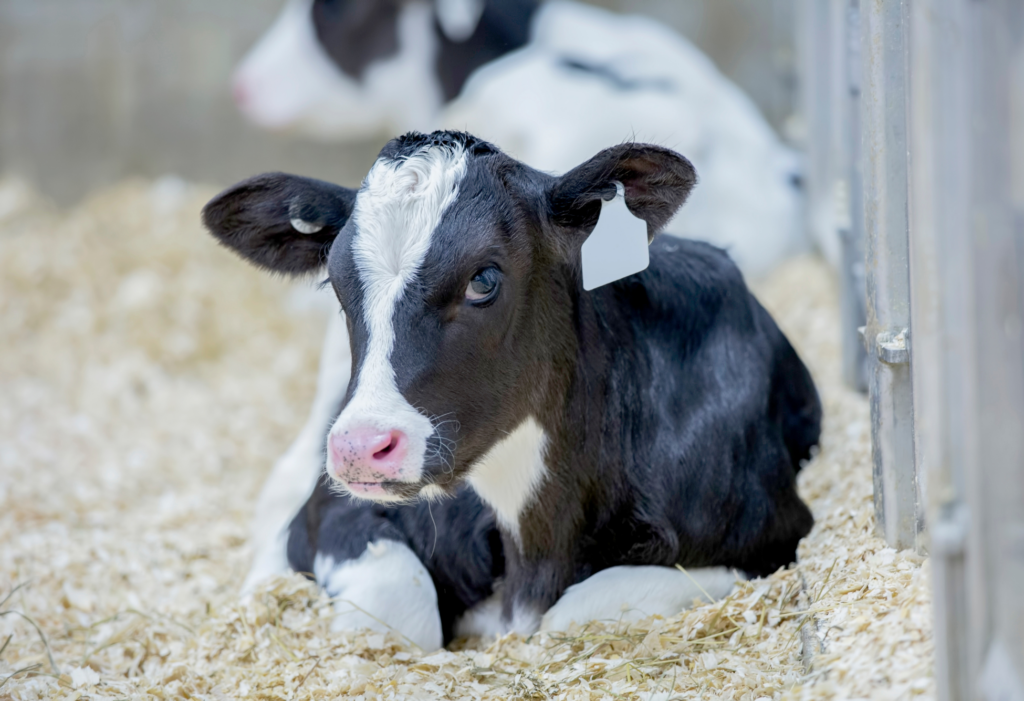
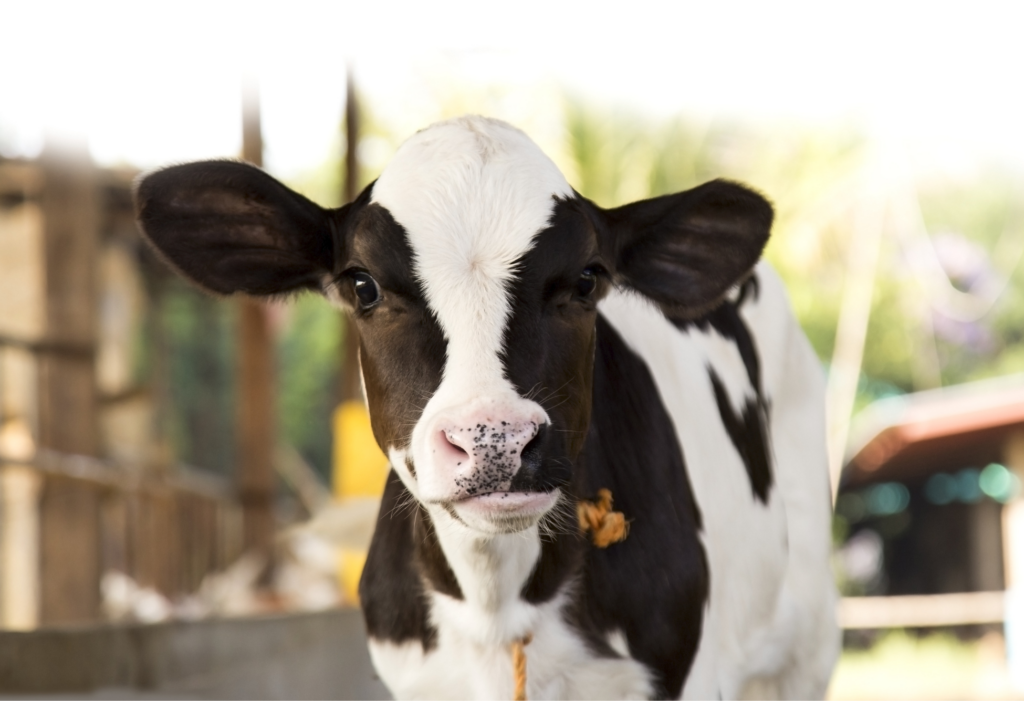
From monogastric to polygastric Development of the digestive tract in calves follows a uniquely organized system. In particular, thanks to the rumen and its colonization by microorganisms, the calf physiologically transitions from a pseudo-monogastric animal to a fully functional ruminant. The progression of rumen development
Mycotoxins and hoof disorders in cattle: attention to feed hygiene
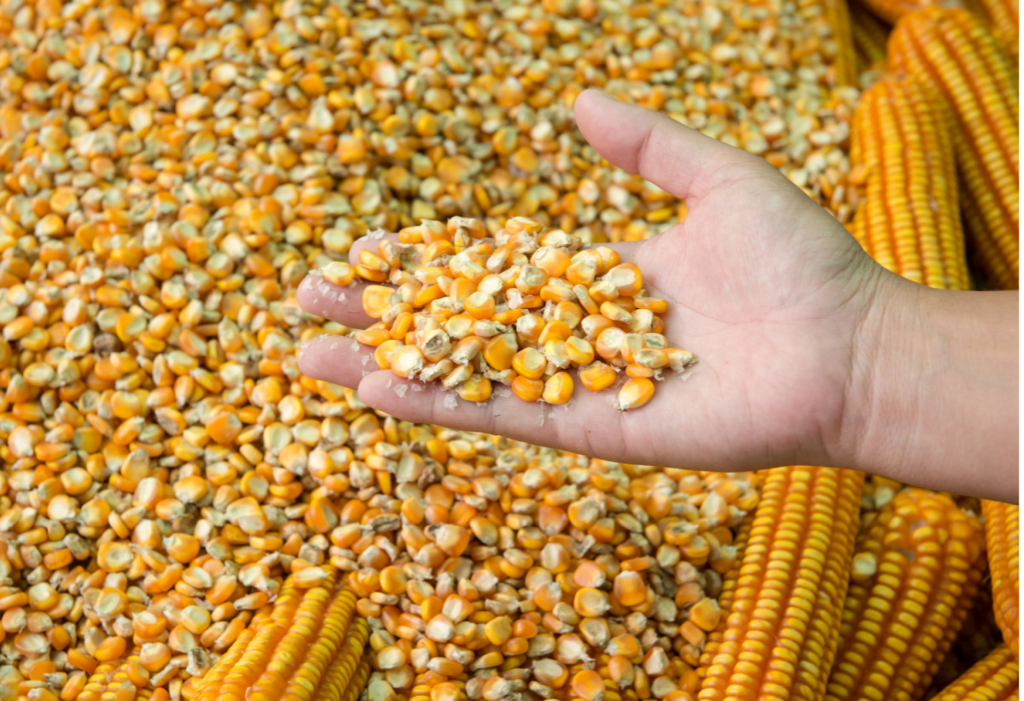
Climate variations in recent years, combined with current cultivation, harvesting, storage, and feed delivery techniques, have led to an increasing frequency of contamination of silages, cereals, and their by-products by fungi—particularly of the genera Aspergillus spp. and, even more so, Fusarium spp. The latter are