AVIAN INFLUENZA 2021, KEYWORD: BIOSECURITY
Outbreaks of highly pathogenic avian influenza (HPAI) have also been identified in Italy. Discover why biosecurity measures can be decisive in limiting the spread of the virus.
THE AVIAN INFLUENZA VIRUS
Avian influenza is a highly contagious viral disease that mainly affects poultry and wild aquatic birds.
A peculiarity of the avian influenza virus is its ability to cause high mortality in some avian species and no clinical signs in others, with marked species susceptibility also in terms of symptoms and lesions observed.
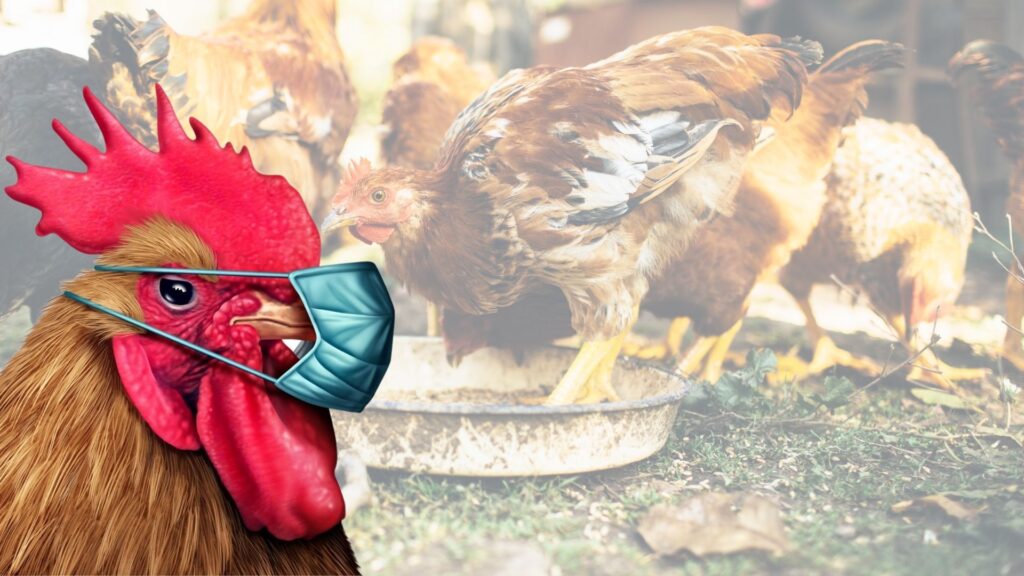
Avian influenza viruses can be of low (LPAI) or high pathogenicity (HPAI).
- HPAI
Highly pathogenic avian influenza viruses (HPAI) affect the respiratory and gastrointestinal systems of birds.
They are characterized by extremely high mortality rates and marked contagiousness.
It should be recalled that in the past, epidemics caused by the highly pathogenic H5 subtype have resulted in the loss of millions of birds, both wild and farmed, culled under stamping-out policies to control virus spread.
Clinical signs of HPAI viruses in poultry mainly include sudden death without the possibility of assessing symptoms or, if present, animals may show severe depression, lethargy, anorexia (loss of appetite), respiratory signs (ocular-nasal discharge, coughing, sneezing, rales, etc.),´ - LPAI
Generally, low pathogenic avian influenza viruses (LPAI) do not cause marked clinical signs but present mild disease manifestations: signs overlapping those previously reported for HPAI.
However, LPAI strains may mutate into highly pathogenic strains, which is why it is important that outbreaks are promptly contained.
Various health and non-health bodies involved in poultry production urge caution and recommend reporting any symptom or sign attributable to avian influenza.
But why are we talking about avian influenza in the midst of a health emergency caused by the SARS-CoV-2 virus?
Because, more than ever in this historical period, we realize how prevention and the implementation of biosecurity measures are essential to limit the spread of viruses, and because starting from October 2020 several European countries have been affected by cases of highly pathogenic avian influenza (HPAI) sustained by influenza virus subtype H5.
In Italy, the outbreaks recorded have been limited to family-run farms in northern Italy (one in the province of Padua, one in the province of Pordenone, and one in the province of Ravenna), and precautionary measures are in place that in the past have succeeded in ensuring containment of outbreaks.
How can farmers prevent the spread of the disease?
As the ongoing pandemic has taught us, to defend ourselves it is essential to know our enemy.
Recognizing clinical signs and reporting them promptly is the first step.
The outbreaks recorded so far in Italy have been identified because the affected groups of animals showed classical symptoms with increased mortality, lethargy, reduced egg laying, loss of appetite, and sometimes neurological signs.
Alongside close surveillance of animals to recognize signs and symptoms, prevention and the implementation of biosecurity measures are essential, with particular attention to the movement of vehicles and personnel entering and leaving the farm, as well as to cleaning and disinfection operations during the sanitary downtime.
Although these procedures are taken for granted and mandatory in intensive farming systems, where they are imposed by the competent Local Health Authorities based on current regulations, below we report, in general terms, the recommendations proposed by the FAO regarding biosecurity measures to be adopted for the containment of epidemics caused by highly pathogenic avian influenza viruses (HPAI), which, although well known, are worth recalling.
BIOSECURITY MEASURES
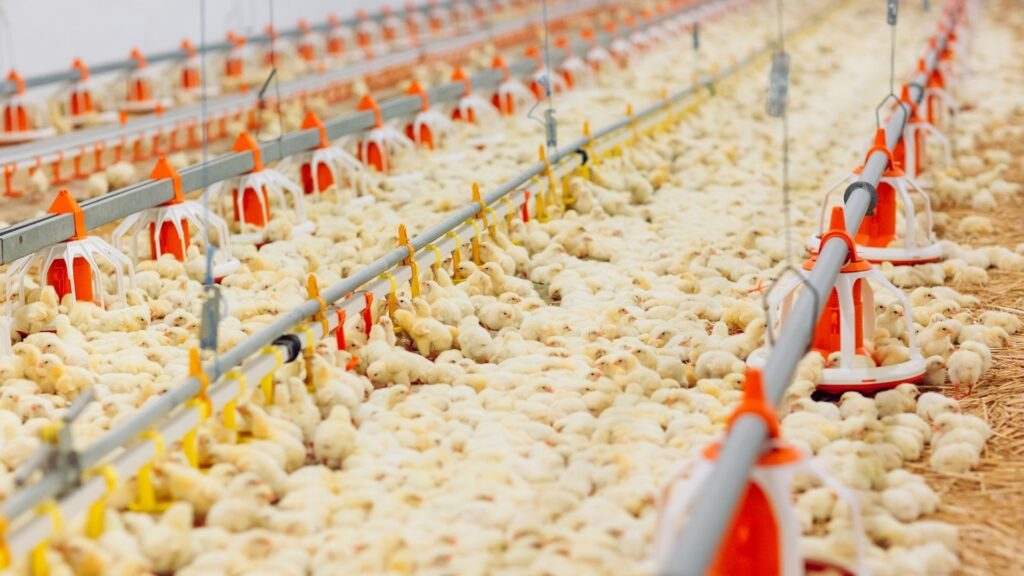
Biosecurity measures to be adopted on the farm for controlling the spread of diseases, with particular reference to HPAI viruses, are implemented through three steps.
SEGREGATION

Essentially, if the virus does not enter a poultry farm, no infection can occur.
No animal, material, or vehicle connected to farming activities should enter or leave a poultry farm unless necessary.
Segregation implies the creation of physical barriers and their control.
Simple measures such as requiring a change of footwear for all people crossing the barrier at the farm entrance and limiting vehicle access have made it possible to greatly limit the spread not only of the influenza virus but also of many other diseases.
From the farm gate to the entrance of individual animal housing, this represents the first line of defense.
CLEANING

The second step and the most effective for biosecurity is cleaning.
Most viral contamination on physical objects is contained in fecal material or respiratory secretions adhering to surfaces.
All materials passing through the segregation barriers described above must be thoroughly cleaned, whether entering or leaving the farm.
DISINFECTION
Considered by many to be the most important step, in reality disinfection alone is not fully effective and cannot be separated from the previous steps.
It is well known that residues of organic matter reduce the effect of disinfectants, which are unable to fully penetrate them; therefore, disinfection without prior cleaning is less effective.
Not by chance does the FAO define disinfection as the “polishing” phase of biosecurity procedures.
Given that, as the ongoing pandemic has taught us, containing the spread of a virus is difficult, prevention is the most efficient form of control.
Tecnozoo invites you to view its line dedicated to farm biosecurity.
Among the solutions proposed by Tecnozoo you can find, in addition to highly efficient farm cleaning products, also disinfectants with biocidal action active against highly pathogenic avian influenza viruses, such as VIROCID and VIRKON S.
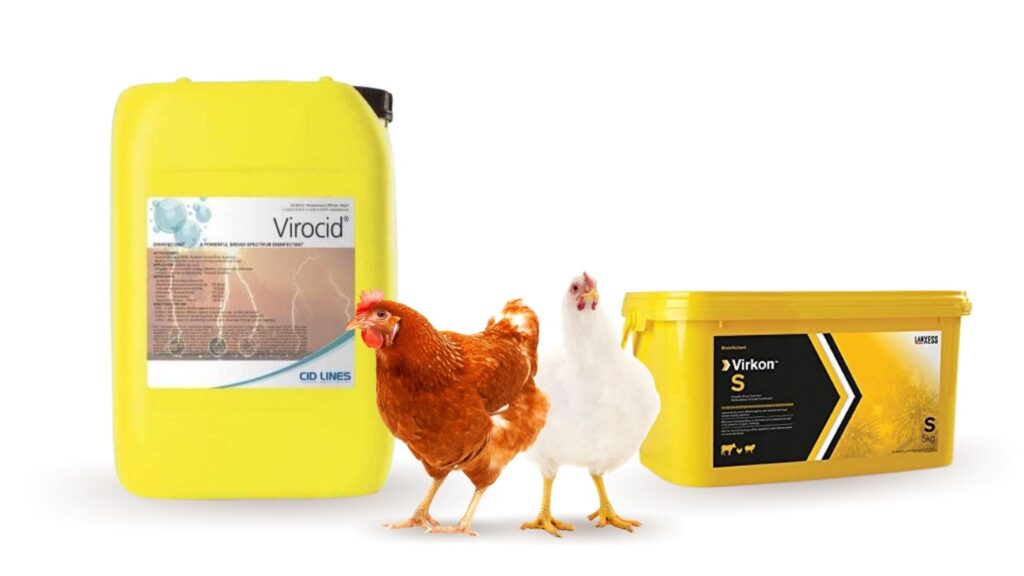
Tecnozoo also guarantees technical support for the use of all its products, as well as personalized consultancy for your farm.
SOURCES:
- FAO – “BIOSECURITY FOR HIGHLY PATHOGENIC AVIAN INFLUENZA – Issues and options”
- CDC – HPAI A H5 Virus Background and Clinical Illness
- https://www.efsa.europa.eu/it/topics/topic/avian-influenza
- https://www.izsvenezie.it/temi/malattie-patogeni/influenza-aviaria/situazione-epidemiologica-HPAI/