Vitamin E and selenium supplementation in the sow’s diet to counteract the negative effects of oxidative stress
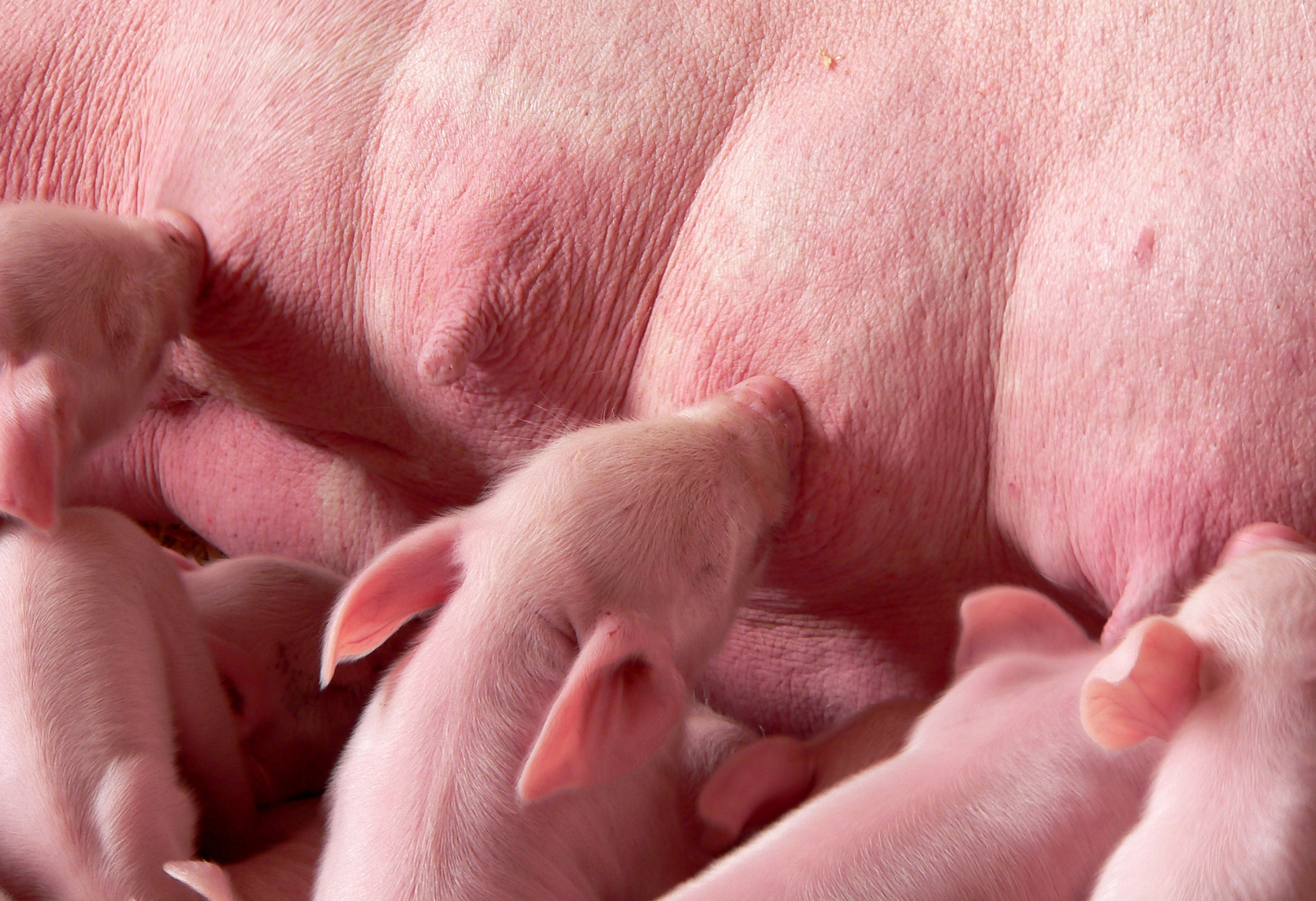
We have often discussed oxidative stress in the past and antioxidant substances that can be included in the diet to counteract its negative effects.
In this article we will address the negative effects of oxidative stress on the reproductive performance of the sow and the role of vitamin E and selenium in modulating these effects.
Surai and Fisinin (2016) demonstrated that oxidative stress and reproductive performance in sows are closely correlated.
OXIDATIVE STRESS
Oxidative stress is caused by an imbalance within cells between the concentration of antioxidant and oxidant molecules, such as reactive oxygen species (ROS).
Reactive oxygen species (ROS) are continuously produced during aerobic cellular metabolism, but their production exceeds the capacity of the body’s antioxidant system to remove them when stress conditions occur.
Reactive oxygen species (ROS) negatively affect oocyte maturation as well as embryo development.
This is related to their high reactivity with polyunsaturated fatty acids associated with phospholipids present in the cell membranes of oocytes and embryonic cells, leading to the process of lipid peroxidation, which involves a chain reaction that can ultimately result in cell death.
EFFECTS OF VITAMIN E DEFICIENCY AND SUPPLEMENTATION ON REPRODUCTIVE PERFORMANCE
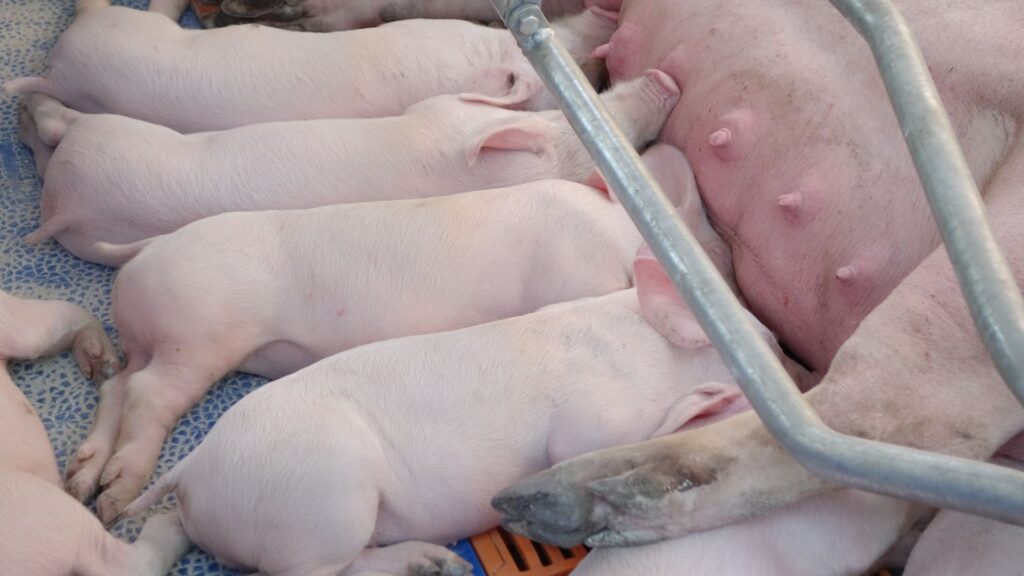
It has been shown that vitamin E deficiency in sows can cause fetal resorption phenomena and can negatively affect the development and health status of piglets, with a significant negative impact at farm level.
Conversely, studies on vitamin E supplementation during gestation have demonstrated an increase in litter size and a reduction in piglet mortality before weaning.
However, while the minimum level of vitamin E required to prevent deficiency symptoms has been established [12–22 IU/kg (NRC, 1998)], the optimal level of vitamin E necessary to improve reproductive parameters has never been clearly defined. This is due to the different management factors that may interfere with such studies and alter the requirements for this vitamin in relation to its antioxidant role, which is essential under stress conditions.
IMPROVING THE ANTIOXIDANT STATUS OF THE SOW TO INCREASE REPRODUCTIVE PERFORMANCE
The antioxidant status of animals can be improved through dietary supplementation with antioxidants, including vitamin E and antioxidant enzymatic cofactors such as selenium, which is known to be an essential component of at least 25 selenoproteins, of which at least 16 have an antioxidant role.
The importance of vitamin E for sow fertility is supported by numerous studies.
It is widely accepted that vitamin E supplementation before and after fertilization has positive effects on conception rate and, consequently, on litter size.
Vitamin E supplementation during the last phase of gestation and lactation has instead proven useful in preventing issues related to piglet survival and development.
Lin Wang et al., 2016 report that supplementation of this vitamin up to a level of 250 IU/kg in the 7 days prior to farrowing and up to 21 days thereafter increases α-tocopherol concentrations (the most common form of vitamin E in animals) in sow milk and plasma, as well as in piglet plasma.
Supplementation of this vitamin in the sow’s diet resulted in greater growth of suckling piglets and increased circulating antibody levels and antioxidant capacity in both sows and piglets.
HOW VITAMIN E WORKS
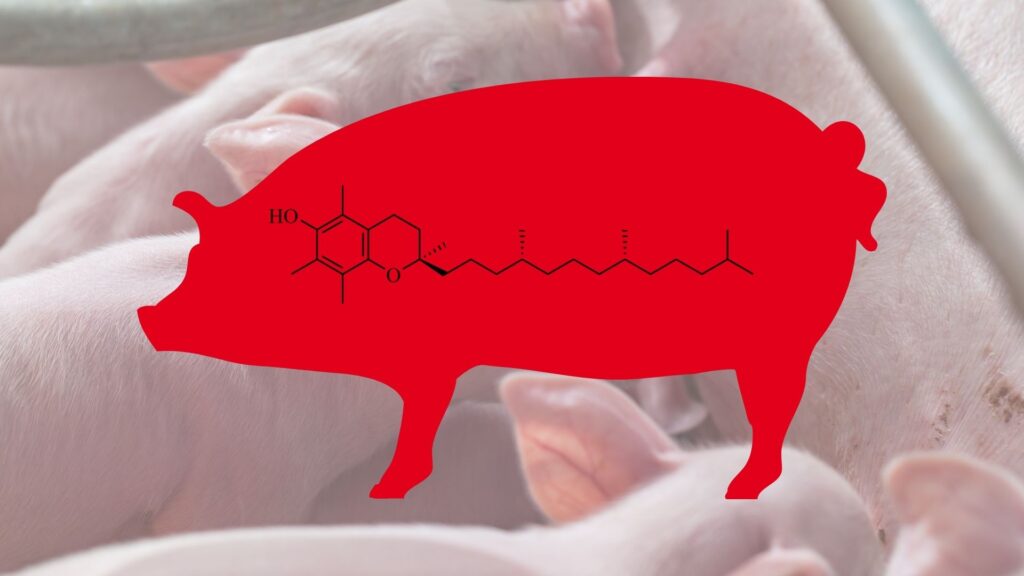
Vitamin E is a fat-soluble vitamin present in the diet in variable amounts.
It is a multifunctional vitamin, essential for the integrity and optimal functioning of the urogenital, muscular, circulatory, nervous, and immune systems.
The main dietary sources of vitamin E are wheat germ, alfalfa, bran, and milling by-products.
The primary role of vitamin E is that of a membrane antioxidant.
Vitamin E binds to phospholipids and “traps” free radicals in order to prevent lipid peroxidation, a process previously described that inevitably leads to permanent cellular damage and, in this case, to oocytes and embryonic cells.
Interrupting lipid peroxidation at the membrane level by vitamin E (a chain reaction that, if not stopped, leads to cell death) makes it possible to block this degenerative process induced by reactive oxygen species (ROS).
HOW SELENIUM WORKS
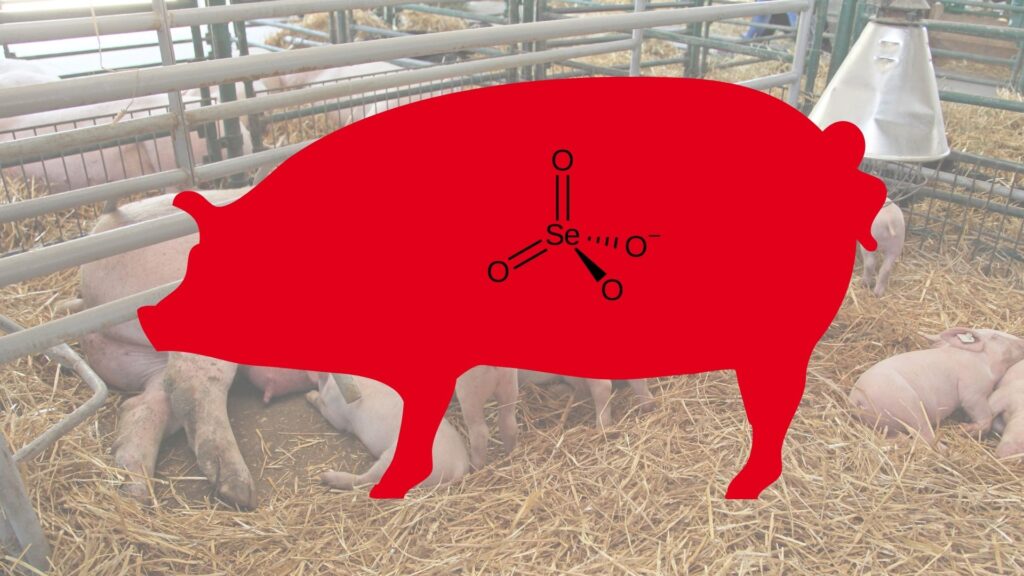
It is well known that some functions of vitamin E can be partially or fully fulfilled by the presence of selenium.
The antioxidant action of vitamin E increases linearly with selenium inclusion levels in the diet, which is why vitamin E supplementation is commonly associated with selenium supplementation.
Their functions are so closely related that additional, still unexplored synergistic roles are suspected, particularly concerning immune system function.
EVIT LIQUIDO
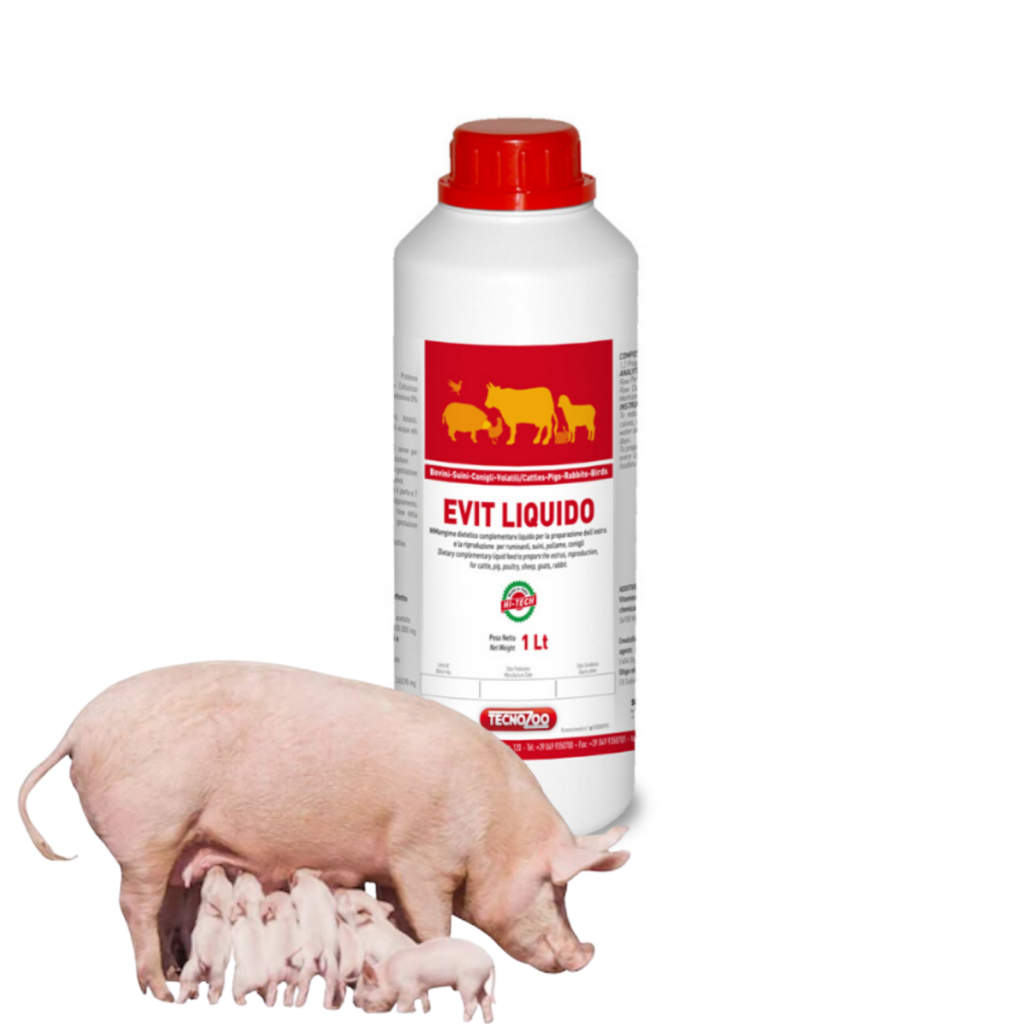
EVIT Liquid is a liquid complementary dietetic feed for the preparation of oestrus and reproduction in pigs.
EVIT LIQUID provides vitamin E and selenium to supplement the sow’s diet.
Its use is indicated in sows during periods such as: mating, the final phase of gestation, and the early stages of lactation.
Follow us also on Instagram > https://www.instagram.com/tecnozoo/
Follow us also on Facebook > https://www.facebook.com/tecnozoo/