Heat stress in beef cattle
What are the main consequences of heat stress?
Impaired growth performance
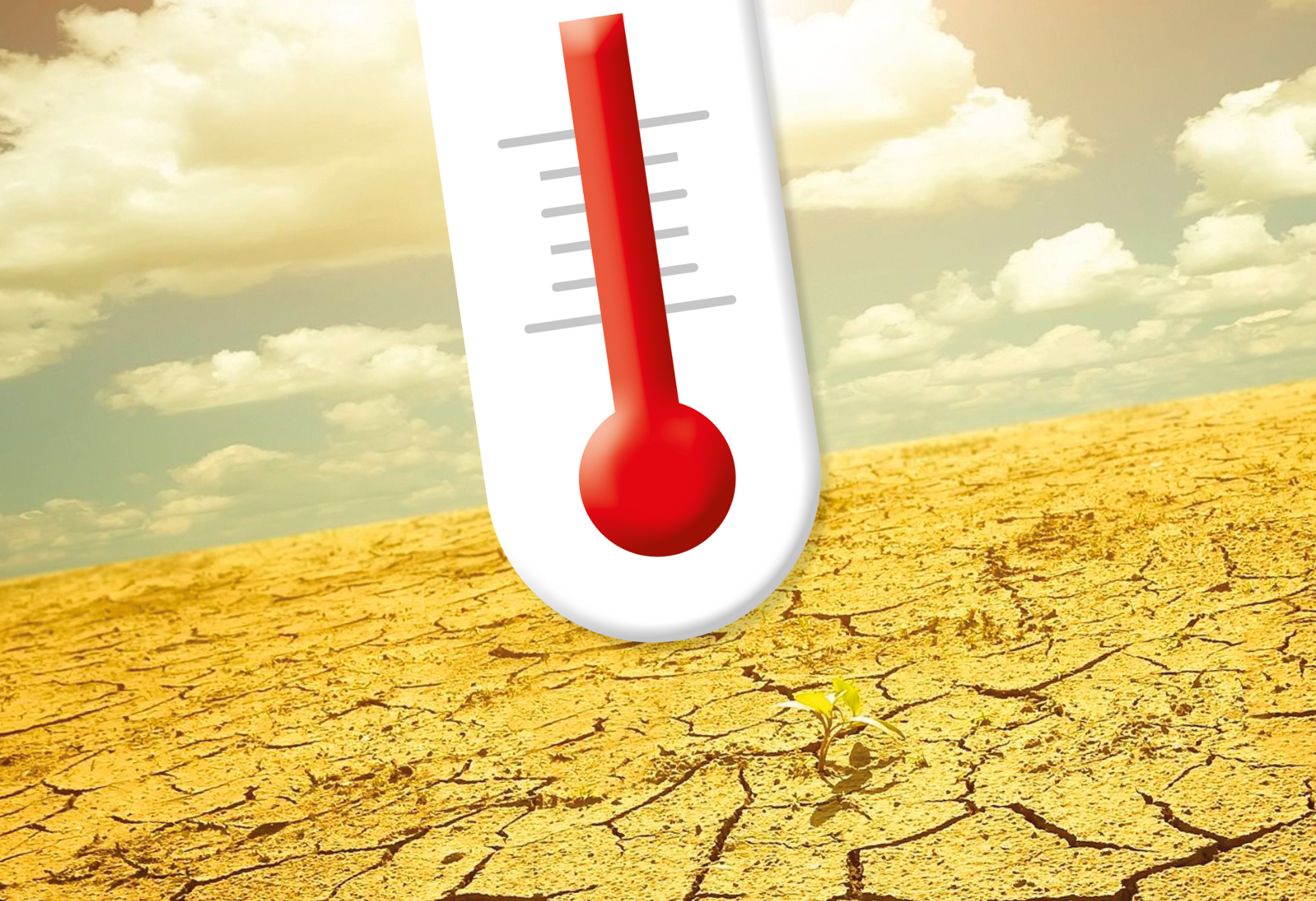
Numerous studies conducted in dairy cattle highlight the dramatic effect that heat stress exerts on productive performance, reproductive function, health status, and even animal survival; although information regarding beef cattle is much more limited, it also confirms the presence of strongly negative effects.
O’Brien et al. (2010), by simulating over a 9-day period a natural circadian pattern of summer climate, with a gradual increase in temperature from 29 °C at 6 a.m. to 40.0 °C at 4 p.m., followed by a slow return to 29 °C at 11 p.m., and in the presence of 20% humidity, observed in young beef calves a 90% reduction in growth performance, a 7.3% decrease in dry matter intake, and a 110% increase in water consumption. Chester-Jones (2007), on the other hand, reported in a long-term study a 37% reduction in growth, with an average reduction in dry matter intake of 6%.
The importance of the environment and environmental conditions clearly emerges when considering how effective approaches aimed at reducing heat stress can be, even when such approaches are simple, such as the availability of shaded areas or water sprinkling. In this regard, Davis et al. (2001) reported, during the hot season in Angus × Hereford crossbred beef cattle, an increase in dry matter intake and an improvement in growth performance following water sprinkling during the hottest periods of the day.
Heat stress and meat quality
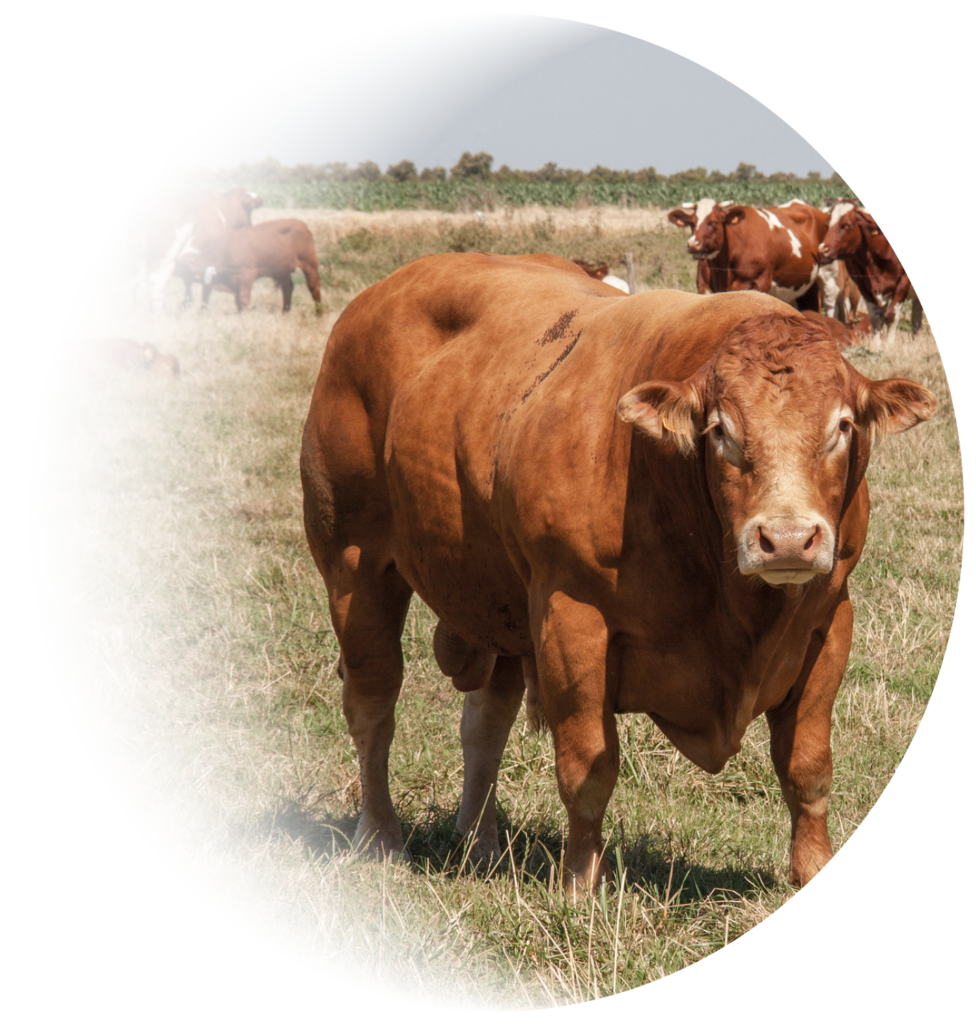
Climate change, particularly when abrupt and extreme, can significantly influence meat quality, specifically color and tenderness, increasing the incidence of dark-cutting meat or DFD meat (Dark, firm and dry).
Heat waves in fact trigger a specific adrenergic stress response with the release of adrenaline, which stimulates peripheral vasodilation and muscle glycogenolysis, depleting tissue glycogen reserves with a consequent increase in the final pH of the meat. This situation is further aggravated by the repeatedly observed reduction in feed intake, which inevitably occurs under conditions of heat stress.
The presence of a higher final pH also compromises shelf life, water-holding capacity during cooking, taste, and aroma, but in particular tenderness.
The latter is further penalized by the anaerobic metabolism that develops as a result of transport stress and the associated movement, which, in combination with hyperthermia, leads to an earlier and more intense rigor mortis, further increasing meat toughness.
This situation clearly explains why, worldwide and in temperate areas, a typical seasonal pattern in meat quality is observed throughout the year, with a higher incidence of darker-colored and less palatable meat during the summer period if specific preventive and heat-stress management strategies are not implemented.
How to address and prevent heat stress?
Reducing fiber intake and increasing its degradability
The main factor that induces an animal under heat stress to reduce dry matter intake is the attempt to limit heat production originating from the digestive process. Since NDF is a highly thermogenic component, the objective should be to reduce fiber intake while simultaneously increasing its degradability; however, such an approach must obviously and carefully consider the increased risk of acidosis.
To limit this risk, it is essential to find the right balance between structural and non-fibrous carbohydrates, to adequately modulate the amount of starch digested at the ruminal and duodenal level, to integrate nutrients capable of optimizing ruminal functionality and efficiency, and to increase the nutritional density of the diet through the use of rumen-protected fats that are of high quality, so as not to penalize not only ration palatability but also digestibility.
The use of additives and supplements
There are additives capable of improving digestive efficiency and stabilizing the ruminal environment, among which live yeasts, essential oils, Aspergillus oryzae, and slow-release nitrogen certainly stand out. In a recent study conducted on beef heifers during the finishing phase under heat stress conditions, Broadway et al. (2016) reported a significant decrease in vaginal temperature, respiratory rate, and plasma cortisol levels following yeast supplementation.
Nutritional strategies capable of improving the activity of cellulolytic bacteria, modulating ruminal pH fluctuations, and limiting the risk of acidosis also ensure appropriate fecal consistency, composition, and moisture, improving bedding conditions and the overall environment thanks to reduced ammonia release.
The use of liquid sugars, in addition to their role in ruminal fermentation kinetics, promotes ration palatability and therefore dry matter intake.
The use of acidifiers, such as propionic acid, is crucial to ensure the oxidative stability of the total mixed ration when silages are used, particularly when the diet is prepared and distributed only once or twice a day.
Considering the effects of heat waves on animal health and meat quality, it is also necessary to ensure adequate supplies of vitamin E and trace elements, such as organic selenium, in order to optimize not only immune responsiveness and body defenses but also oxidative status both in vivo and in the meat post-mortem.
Adequate environmental conditions
The provision of forced ventilation systems is a strategy capable of significantly improving environmental comfort, even compensating for marked deficiencies in the previously mentioned aspects.
Conclusions
Adequate prevention of heat stress now represents an essential approach in modern beef cattle farming, where it is indispensable to optimize production efficiency and product quality in order to compete effectively in an increasingly challenging market, while also guaranteeing rearing conditions and animal welfare standards that clearly meet supply chain requirements and consumer expectations.
Comfort and many related aspects—ranging from proper ventilation, the absence of harmful gases, bedding quality and coat cleanliness, to animal health and behavior—are factors that play a very important role in the assessment of animal welfare and are mainly influenced by the rearing environment.
The implementation of strategies aimed at mitigating the effects of heat waves is therefore a necessity, and not only must they be implemented, but they must also be implemented in a timely manner, since cattle are highly sensitive to and affected by heat, even when it appears to be of limited severity.
Taken from “Informatore Zootecnico – issue 9, 2017. Beef Cattle Dossier.”
Experts recommend…
AGECON 4
Mineral feed for cattle
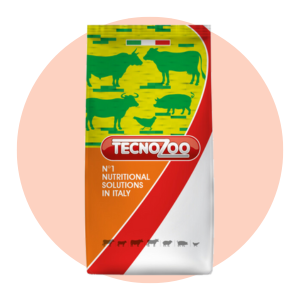
– Reduction of abnormal fermentations within the unifeed;
– Preservation of nutritional value and optimal digestion of the ration;
– Stimulation of dry matter intake and improvement of animal performance.
NORMOTERM FLUID
Complementary feed for cattle
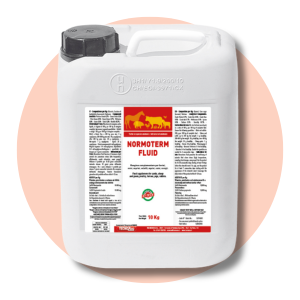
– Supports energy metabolism;
– Stimulates appetite in the post-partum period and promotes higher dry matter intake;
– The plant-based component supports oxidative balance*.
* The supplementation of antioxidant substances from plants and derivatives present in the Normoterm line helps counteract alterations caused by heat stress, maintaining the animal’s physiological balance in support of performance.
REIDRAL LIQUID
Liquid complementary feed for ruminants.
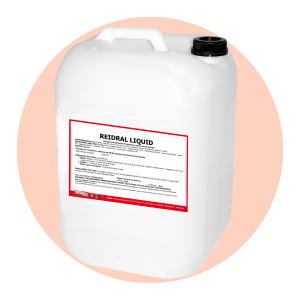
– Supplies sodium, potassium, and chlorine salts;
– Contains sugar sources for rapid energy utilization;
– Readily soluble and easy to use;
– Ideal in cases of hydro-saline deficiency, transport stress, or high temperatures.
For more information, call +39 049 9350 700 or email tecnozoo@tecnozoo.it
To stay up to date with all our latest news, follow us Instagram or on Facebook.