Vitamin E and Selenium Supplementation in the Poultry Sector
VITAMIN E
Vitamin E is a fat-soluble vitamin that is essential for proper poultry nutrition.
It is a multifunctional and indispensable vitamin for the integrity and optimal functioning of the urogenital, muscular, circulatory, nervous, and immune systems.
ANTIOXIDANT PROPERTIES
Poultry and egg production are known to be associated with numerous stress factors, including environmental stress (heat stress, high stocking density), management-related stress (transport, vaccination), pathological stress, and nutritional stress (high dietary levels of polyunsaturated fatty acids – PUFA, presence of mycotoxins, prolonged feed storage, antioxidant deficiencies). These factors are responsible for reduced productive and reproductive performance.
These stressors are believed to negatively affect performance and animal welfare primarily due to oxidative stress.
Oxidative stress is caused by an imbalance within cells between antioxidant and oxidant molecules, such as reactive oxygen species (ROS).
ROS are continuously produced during normal aerobic cellular metabolism, but their production exceeds the organism’s antioxidant defense capacity under stressful conditions.
Polyunsaturated fats, particularly those associated with phospholipids in cell membranes, are especially susceptible to oxidative damage caused by ROS. This leads to lipid peroxidation, which results in cellular dysfunction and damage.
The concept of oxidative stress is becoming increasingly central in animal nutrition. As a biological damaging factor, it is considered a contributing cause of numerous pathological conditions affecting poultry production.
The antioxidant defense system against free radical damage (ROS) includes both enzymatic and non-enzymatic systems.
Non-enzymatic defense systems include antioxidants such as vitamin E.
Antioxidants are molecules produced by the body or supplied through feed that inhibit the oxidation of other molecules.
Vitamin E acts as a membrane antioxidant.
It binds to phospholipids and “traps” free radicals, preventing lipid peroxidation.
By interrupting fat peroxidation at the membrane level—a chain reaction that, if unchecked, leads to cell death—vitamin E preserves body reserves of other oxidizable compounds such as vitamin A, vitamin C, dietary pigments responsible for yolk color, and more.
IMMUNE RESPONSE
Vitamin E plays a fundamental role in reducing morphological and functional alterations of epithelial structures (skin and mucous membranes) induced by various agents, which often represent the main entry point for pathogens into the host organism.
Therefore, the integrity of natural barriers against pathogens also depends on adequate dietary vitamin E intake.
By acting as an antioxidant, vitamin E helps counteract free radical damage produced during infections, but it also influences both cellular and humoral immune responses.
Vitamin E, together with selenium, appears to enhance host defenses against infections not only by improving phagocytic cell function but also by stimulating the synthesis of serum antibodies.
ROLE DURING ASCITES IN BROILERS
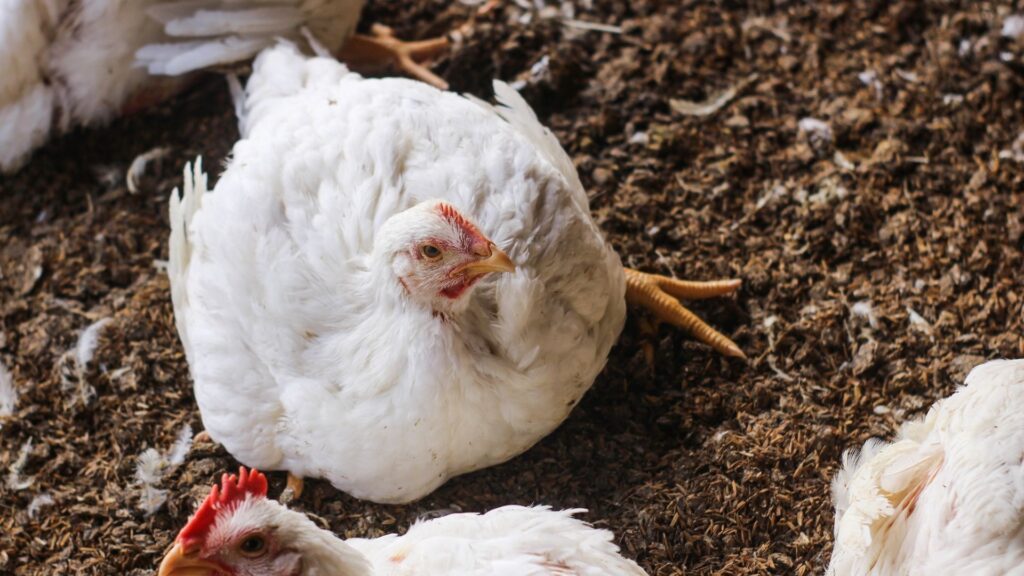
Results from numerous studies suggest that oxidative damage plays an important role in the pathogenesis of ascites.
During ascites, ROS production increases dramatically, and tissue antioxidant status is severely compromised.
The antioxidant properties of vitamin E have been successfully applied to reduce oxidative stress in broilers affected by ascites.
High dietary levels of vitamin E can alleviate oxidative stress in pulmonary hypertension syndrome (PHS), a condition that predisposes birds to ascites, and may help reduce ascites-related mortality in broilers.
SEMEN QUALITY
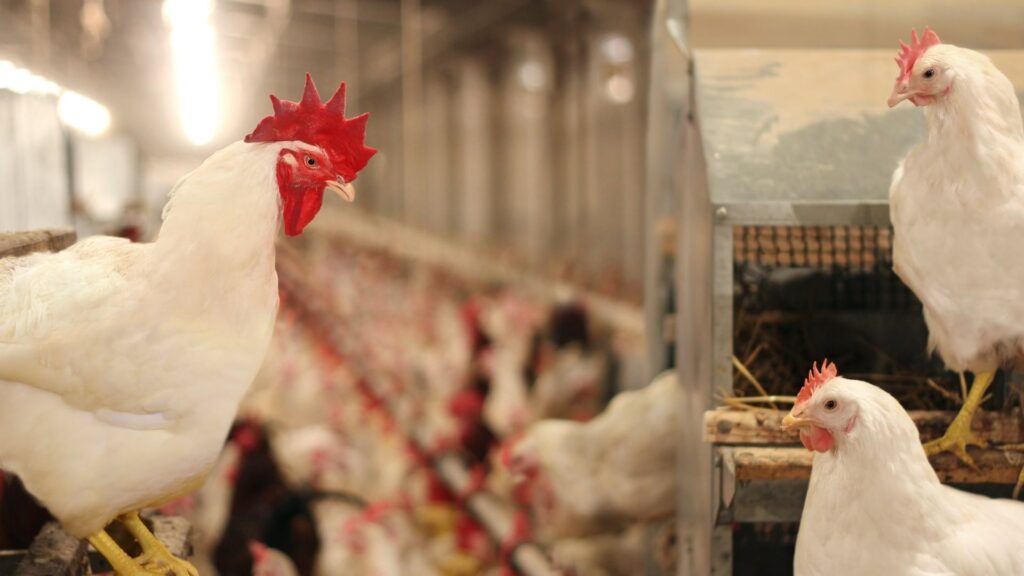
High concentrations of polyunsaturated fatty acids in avian sperm cells are associated with increased susceptibility to ROS and lipid peroxidation, predisposing males to subfertility.
Oxidative stress reduces gamete number, decreases sperm motility, and increases the percentage of dead cells. Therefore, the antioxidant system of semen plays a crucial role in maintaining fertility.
Vitamin E is an important stabilizer of breeder sperm cell membranes, and its concentration in sperm depends directly on dietary intake.
During reproduction, body reserves of vitamin E are significantly reduced.
Several studies on semen quality have shown that vitamin E supplementation in breeder males improves sperm quality by preventing oxidation and inhibiting lipid peroxidation of sperm membranes.
EMBRYONIC DEVELOPMENT
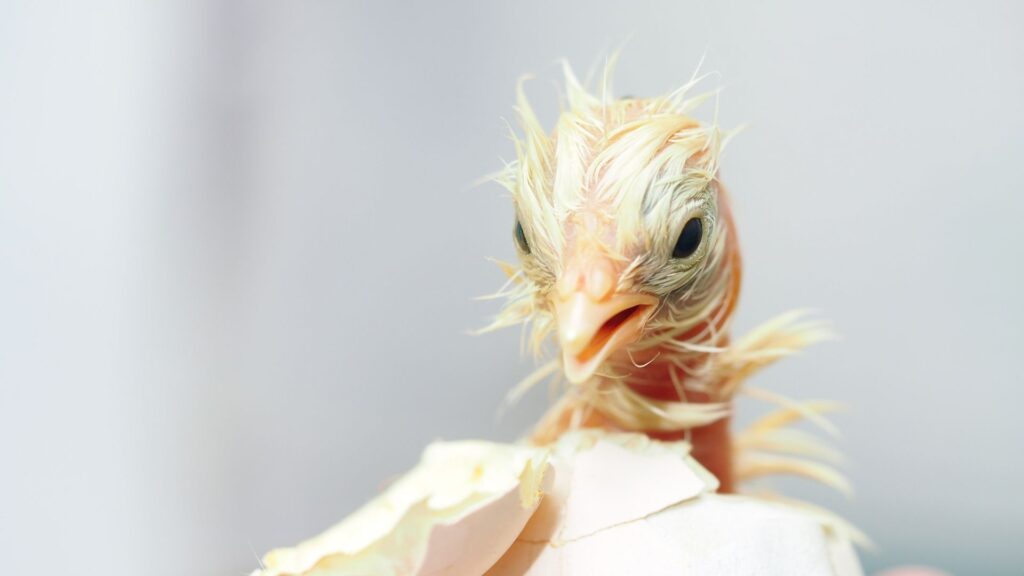
During embryonic development, there is a considerable accumulation of polyunsaturated fatty acids within embryonic tissues.
Vitamin E, transported from the yolk to embryonic tissues during development, protects these fatty acids from oxidative damage and lipid peroxidation, playing a vital role from the embryonic stage through the first days of chick life.
Adequate vitamin E levels stored in the yolk are therefore crucial for proper embryonic development.
This accumulation is closely related to vitamin E concentration in the breeder’s diet, which is why ensuring high dietary vitamin E levels in breeders is essential.
SELENIUM
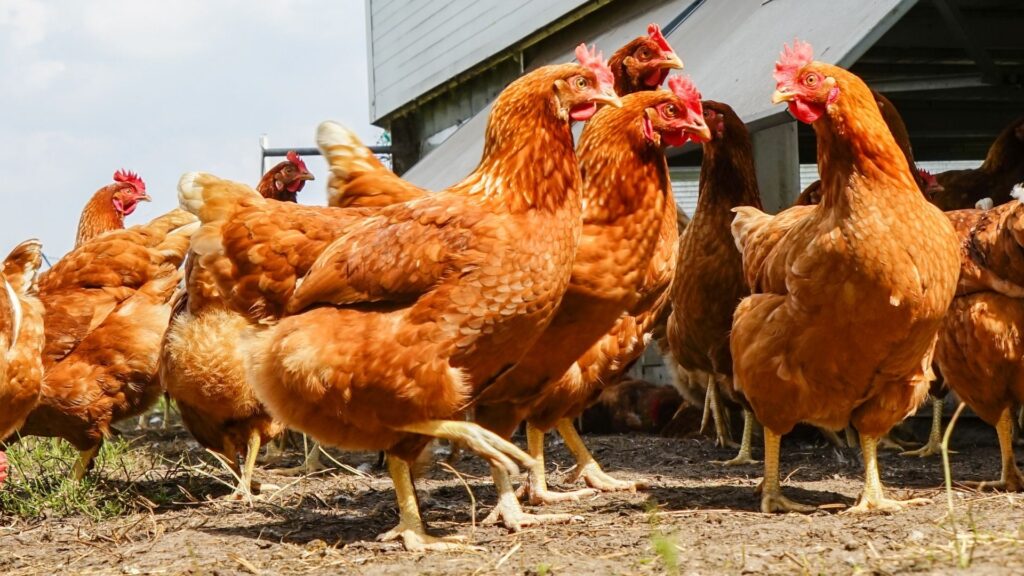
It is well known that some functions of vitamin E can be partially or fully fulfilled by the presence of selenium.
The antioxidant action of vitamin E increases linearly with selenium inclusion levels in the diet, which is why vitamin E supplementation is commonly associated with selenium supplementation.
Their functions are so closely related that additional, still unexplored synergistic roles are suspected, particularly concerning immune system function.
Unlike vitamin E, selenium is directly involved in enzymatic antioxidant mechanisms, acting as a cofactor for more than 25 selenoproteins that participate in antioxidant processes, including glutathione peroxidase (GSH-Px).
Glutathione peroxidase is an enzyme capable of converting one of the main ROS, hydrogen peroxide, into water and oxygen, thereby preventing oxidation of unsaturated lipid materials within cells and protecting cell membranes from oxidative damage.
Selenium’s action is therefore synergistic with that of vitamin E, but also dependent on it, as vitamin E can influence the expression of several genes, including those coding for selenoproteins.
SELENIUM AND THE IMMUNE SYSTEM
Like vitamin E, selenium is essential for the activity of multiple components of the immune system.
In broilers experimentally fed selenium-deficient diets, lesions of immune organs and reduced serum levels of immune mediators have been observed. This indicates that oxidative stress induced by selenium deficiency inhibits immune organ development and compromises their functionality.
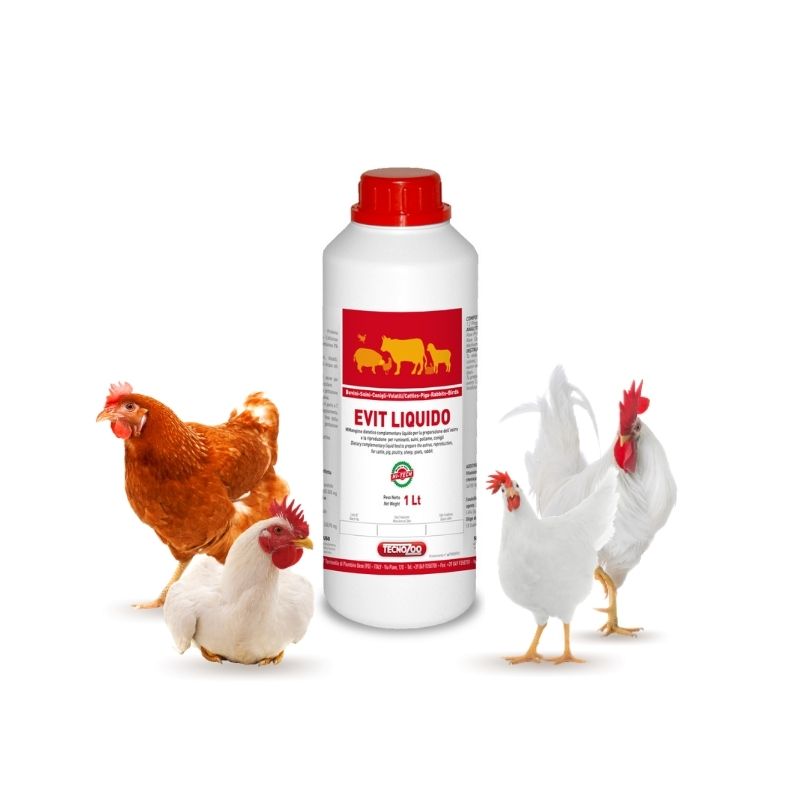
EVIT LIQUID is a liquid complementary feed to be added to drinking water at a rate of 100 ml / 100 L, designed to supplement the diet with vitamin E and selenium.
Buy now: > https://tecnozoo.it/prodotto/mangime-complementare-evit-liquido/
Would you like to stay updated on all the latest Tecnozoo news?