Lamb: The Importance of Saliva During Suckling
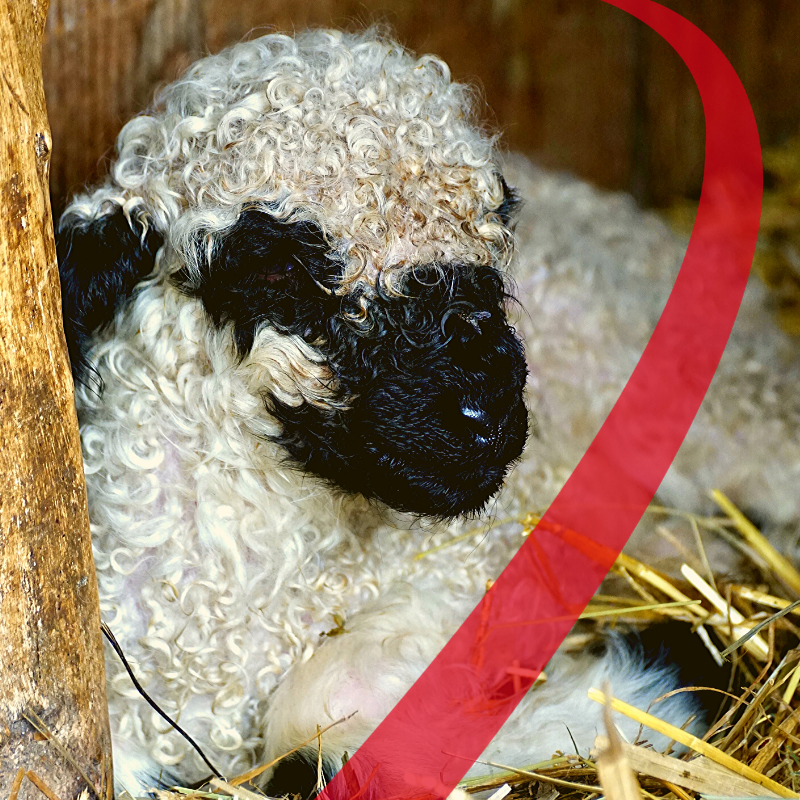
The saliva produced during slow suckling helps balance the pH in the abomasum, promoting digestion. Saliva contains essential enzymes, such as lipase, necessary for fat digestion—a vital energy source—and also has natural antibiotic properties, serving as the first line of defense against infections.
Tutto sull’agnello
For this process to occur correctly, lambs need to be fed slowly. Fast feeding prevents proper saliva production, which is crucial for the lamb’s physical health, and can cause the phenomenon of cross-suckling.
Rapid feeding may lead to milk overflowing into the esophageal canal, ending up in the rumen where milk can acidify and ferment in the absence of enzymes, also preventing curd formation. This allows milk to pass into the small intestine, predisposing the lamb to bacterial fermentation and subsequent neonatal diarrhea.
The amount of E. coli increases when coming into contact with raw milk.
In this regard, a key role is played by the esophageal canal, a curved muscle located in the throat
The task of the esophageal canal is to ensure that everything entering from the mouth reaches the correct place.
Therefore, the milk must end up in the abomasum. If the milk enters the rumen, it can cause abdominal pain and lesions on the walls of the organ, compromising the animal’s production.
of the organ, compromising the animal’s production.
Tecnozoo, always attentive to animal welfare, offers innovative complementary solutions for your lamb.
Discover all products designed for sheep and goats: