#letsmakEATclear – Pork: Why It’s Good for You
Pork Is Good for You
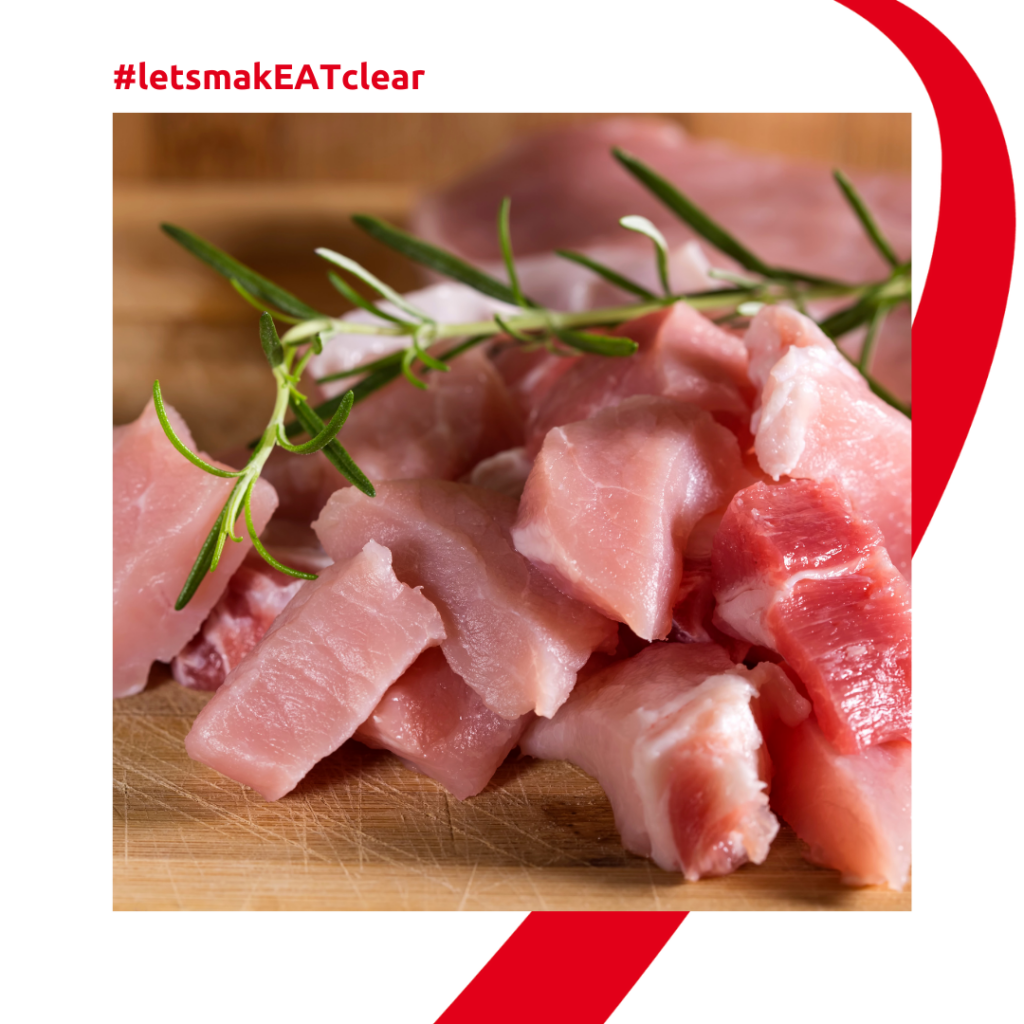
Pork has a rich history: according to Il Giornale del Cibo, it was once considered highly prized and a symbol of wealth and prestige.
In recent years, however, pork has been unfairly criticized, as it was mistakenly classified alongside “red meats” (due to lower myoglobin content, pork is actually “pink”), which some claimed could be carcinogenic.
Eating pork supports muscle health: nutrients in pork help promote growth and maintain muscle mass, according to the Humanitas Institute.
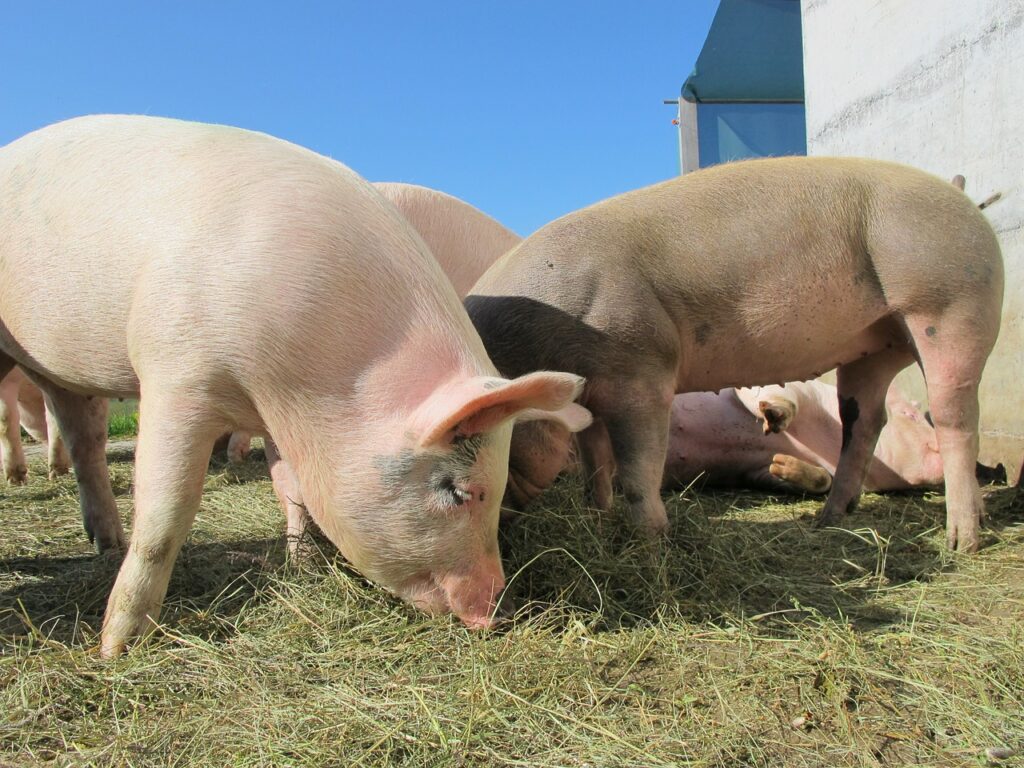
Discover all Tecnozoo products for pigs
Nutrients Found in Pork
According to Il Giornale del Cibo, pork is an excellent source of high-quality proteins, vitamins (B1, B2, B6, D, B12), and minerals (iron, zinc, copper, selenium), all in highly bioavailable forms.
It also provides good amounts of water-soluble vitamins such as thiamine, riboflavin, and niacin, as well as essential minerals like iron, potassium, and phosphorus.
It should not be overlooked that pork is also beneficial because it provides good amounts of water-soluble vitamins such as thiamine, riboflavin, and niacin, and it also contains essential minerals for the body, such as iron, potassium, and phosphorus.
Additionally, pork is rich in collagen, a protein that helps combat aging and maintain healthy, elastic skin.
How Pig Farming Has Changed
Over the past 20 years, pig farming and nutrition have evolved significantly.
According to Carni Sostenibili, modern pigs are raised to have lower cholesterol and saturated fat in their meat, with higher levels of mono- and polyunsaturated fats, including Omega-3s.
Learn more about pig nutrition
Which Pork Cuts Are Best?
To maximize the health benefits of pork, choose lean cuts with lower cholesterol and saturated fats.
Among these, the loin (muscles along the central part of the pig) is recommended.