Drying piglets to reduce neonatal mortality
DRYING PIGLETS TO REDUCE
NEO-NATAL MORTALITY
It is common practice in pig farms to dry piglets immediately after birth.
It has been demonstrated that this operation can significantly reduce neonatal mortality and improve piglet thermoregulation.
For this very reason, drying piglets immediately after birth is one of the most recurrent recommendations provided by technicians and veterinarians to farmers in order to reduce neonatal mortality.
Let’s discover together why this is such an important practice and what advice Tecnozoo has for you.
PIGLETS AND HYPOTHERMIA
Hypothermia in piglets occurs when body temperature drops below 38.5°C.
The risk of hypothermia is closely related to environmental temperature.
Thermal stress in piglets begins when ambient temperature drops below 34°C.
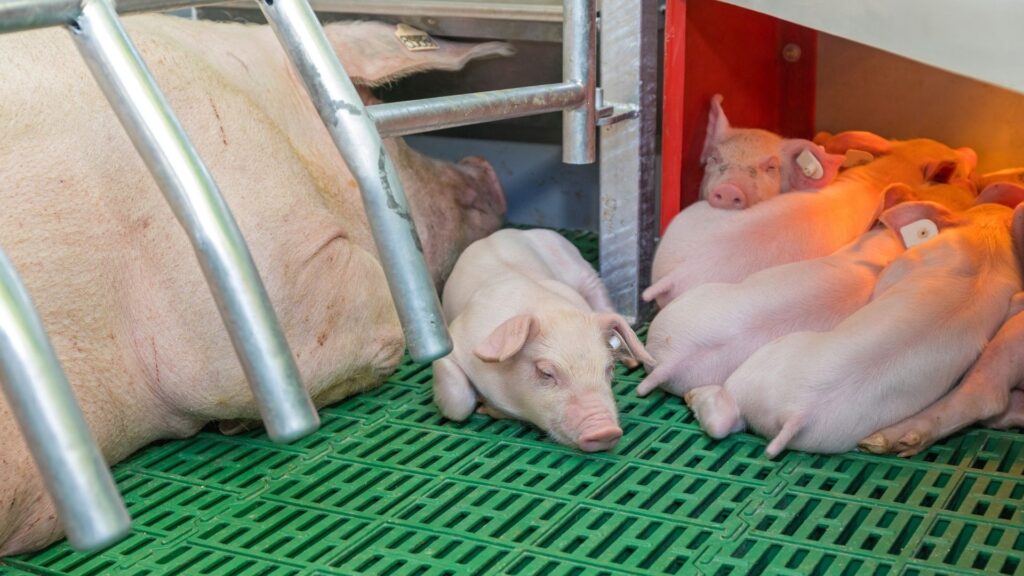
Unlike other mammals, piglets are born with limited energy reserves and, in order to combat thermal stress and maintain an appropriate body temperature, they must rely on these reserves and on glucose ingested with colostrum.
The use of these resources for heat production represents a significant waste and energy deprivation, which can compromise normal growth or even the survival of the piglet.
SYMPTOMS OF THERMAL STRESS AND RELATED RISKS
The first symptoms associated with cold stress are reduced vitality and slower movements in piglets, which predispose the animal to the risk of crushing.
Poor vitality also increases the latency between farrowing and the first suckling, which, together with reduced vigor during suckling, leads to insufficient colostrum intake, resulting in progressive wasting of the animal.
Piglets that receive little colostrum and experience energy deprivation will spend more time close to the sow to beg for milk and will be at greater risk of being crushed.
It has been reported that there is a positive correlation between animals that are unable to maintain a constant body temperature and animals that die from crushing or starvation.
CAN DRYING PIGLETS REDUCE THE RISKS RELATED TO THERMAL STRESS?
While the literature more commonly includes studies correlating neonatal mortality with various managerial factors related to farrowing, few studies are available that correlate thermal stress, piglet drying, and neonatal mortality.
Among the few studies available, most seem to agree that the practice of drying piglets immediately after birth can reduce neonatal mortality due to risks associated with thermal stress (wasting and crushing).
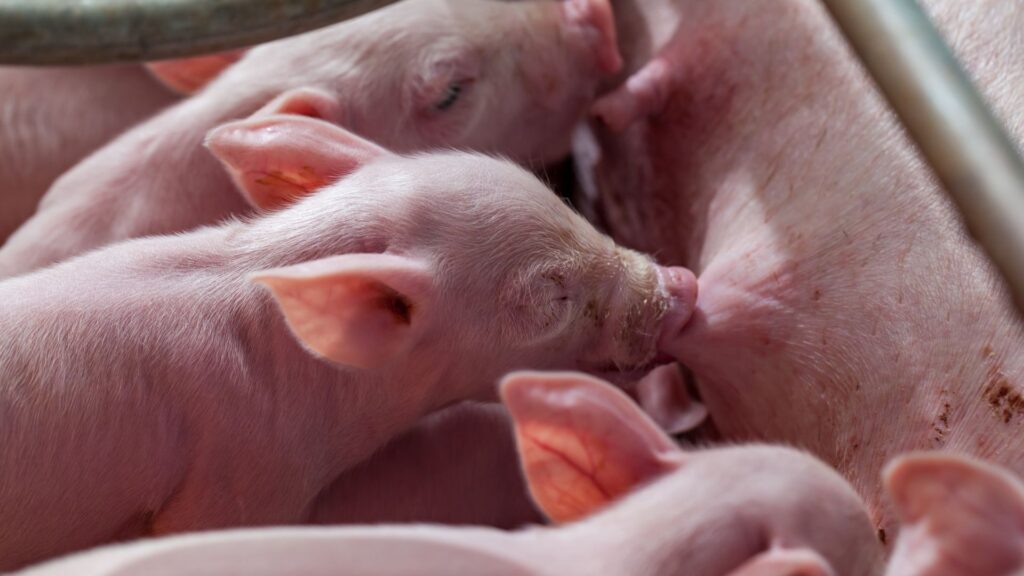
In a study conducted by Andersen et al. in 2009, it was reported that a group of piglets that were dried and placed under infrared lamps immediately after birth, compared to a control group not assisted by an operator but provided with lamps and bedding, showed approximately half the neonatal mortality compared to the control group (6% versus almost 12% neonatal mortality).
With regard to causes of death, almost 50% of piglets that died in the control group, i.e. undried piglets, died from crushing, whereas just over 10% of deaths in the group that was dried and placed under infrared lamps were due to the same cause.
TECHNIQUES ADOPTED TO DRY PIGLETS
We can summarize the various techniques used to dry piglets into three categories:
- Rubbing with paper towels, cloth towels, straw, or wood shavings
- Rubbing with absorbent powders
- Use of infrared heating lamps
While the first two techniques involve direct intervention through rubbing piglets with absorbent materials, the use of lamps is a passive technique that does not involve direct human intervention.
It is common to combine direct and indirect techniques, as reported in the previously mentioned study, where rubbing with absorbent materials was associated with placing piglets under a heating lamp.
Both direct and indirect techniques are a valuable aid in reducing neonatal mortality rates; however, assistance during farrowing combined with piglet handling offers considerable advantages.
Rubbing piglets with absorbent materials not only helps reduce moisture on the skin, thereby limiting heat loss, but also allows stimulation of blood circulation through massage.
Reducing heat dispersion prevents the dissipation of the animal’s energy reserves for maintaining body temperature and reduces the risks related to thermal stress previously discussed.
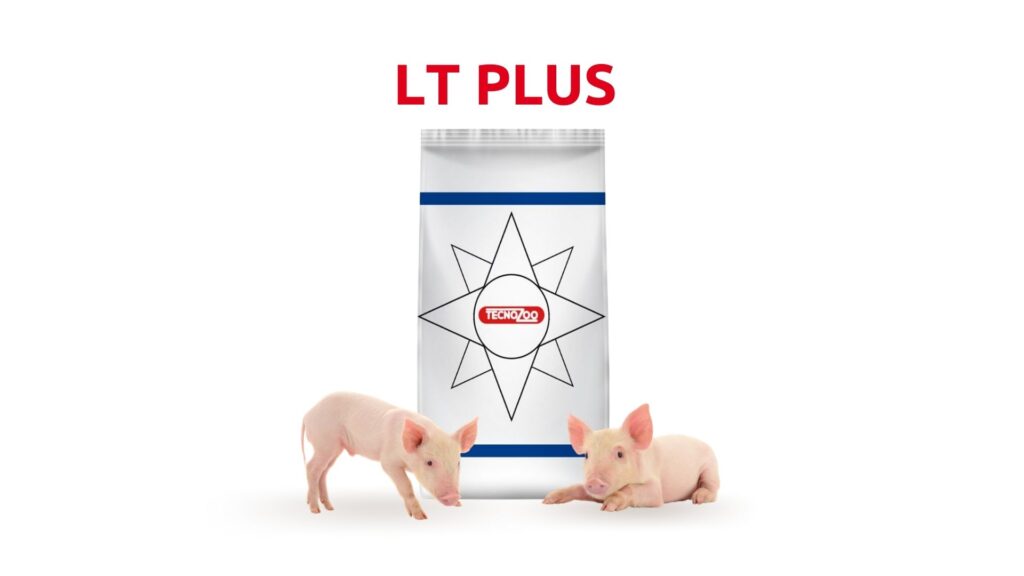
LT PLUS, to dry your piglets and for a healthier farrowing crate!
LT PLUS is an absorbent powder product that can be used as an absorbent material to dry newborn piglets.
LT PLUS, spread several times in the farrowing crate, helps maintain a dry environment that is hostile to the proliferation of potential pathogenic bacteria.
Learn more about the product
Follow us also on Instagram to stay up to date with Tecnozoo’s latest news and offers