VITAMINS AND MINERAL SALTS: updates on dairy cow supplementation
VITAMINS AND MINERAL SALTS:
updates on dairy cow supplementation
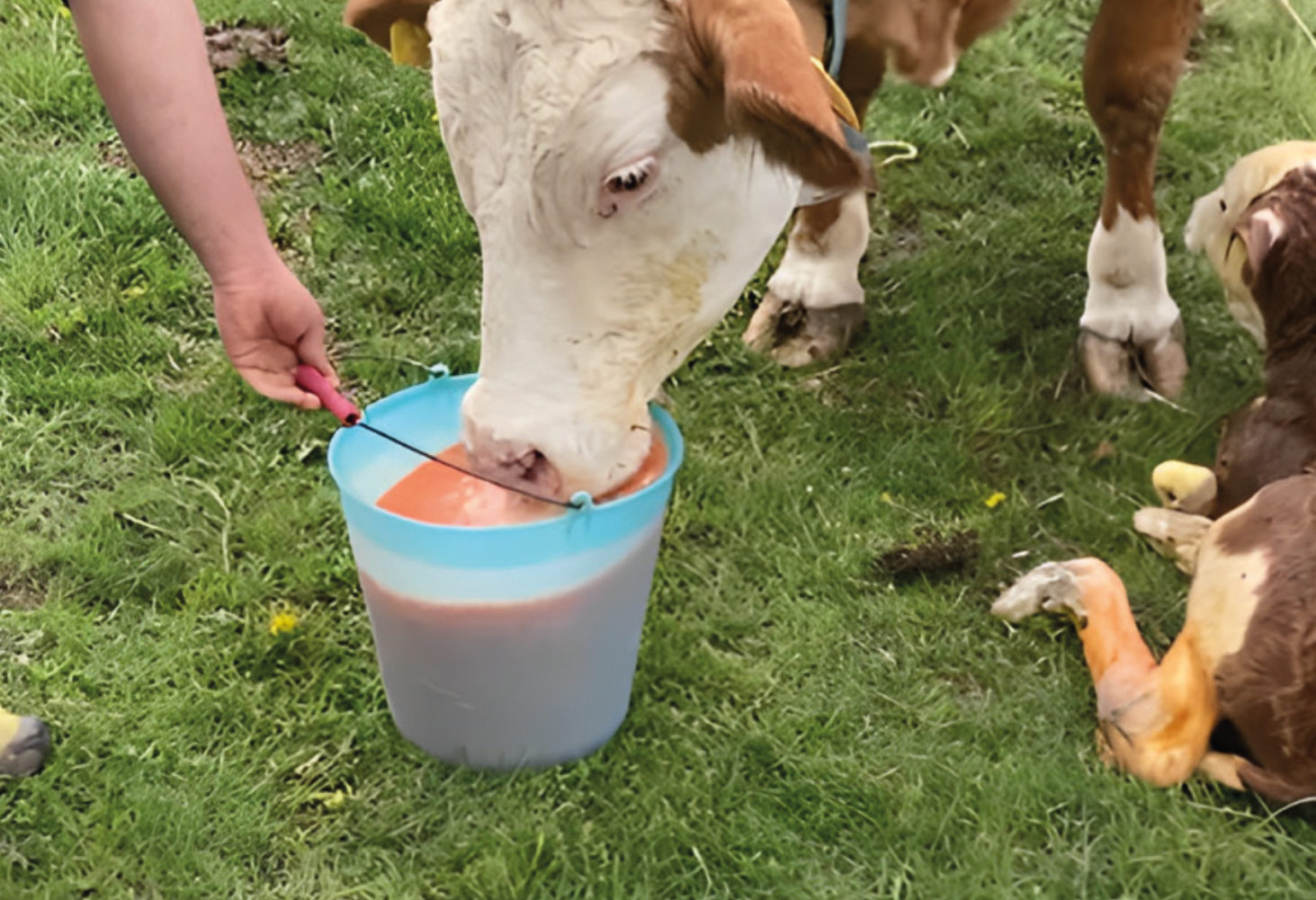
Trace mineral and vitamin supplementation in high-producing dairy cows plays a crucial role in ensuring animal health, productivity and fertility. Cows subjected to high metabolic demands may experience nutritional deficiencies that impair their ability to produce high-quality milk.
Adequate intake of trace elements and vitamins supports the immune system, promotes reproductive performance and improves milk quality. In addition, proper supplementation helps prevent metabolic disorders, optimising animal well-being and increasing production efficiency. Investing in trace mineral and vitamin nutrition is therefore essential for the sustainability and profitability of modern livestock farms.
In this article, we will explore in depth the aspects, including biochemical ones, of trace mineral–vitamin interactions in dairy cows and analyse the updated dietary requirements of rations.
MINERALS
Interaction between minerals and bioavailability in dairy cows
In dairy cow nutrition, the distinction between requirement and adequate intake is fundamental to ensure optimal health and efficient production.
Here are the main differences:
This value must be sufficient to meet nutritional requirements. Monitoring adequate intake is essential to ensure that cows receive a balanced and satisfactory diet. Factors influencing intake include:
In dairy cows, mineral absorption occurs mainly in the gastrointestinal tract. Below is an overview of the main absorption sites:
1. Rumen:
This first compartment of the cow’s digestive system is essential for microbial digestion and plays a less significant role in mineral absorption, although some absorption of magnesium, calcium and potassium occurs through the rumen wall.
2. Small intestine:
This is the primary site of mineral absorption, particularly:
• Duodenum and jejunum: absorption of essential minerals such as calcium, phosphorus, magnesium, sodium, potassium, zinc and copper takes place here.
• Calcium: absorbed actively in the initial portion of the small intestine, with the aid of vitamin D, which regulates its transport across the intestinal mucosa.
• Phosphorus: absorbed mainly in the duodenum, with absorption efficiency also regulated by vitamin D.
• Magnesium: as mentioned, part of magnesium is absorbed in the rumen, but the majority is absorbed in the small intestine.
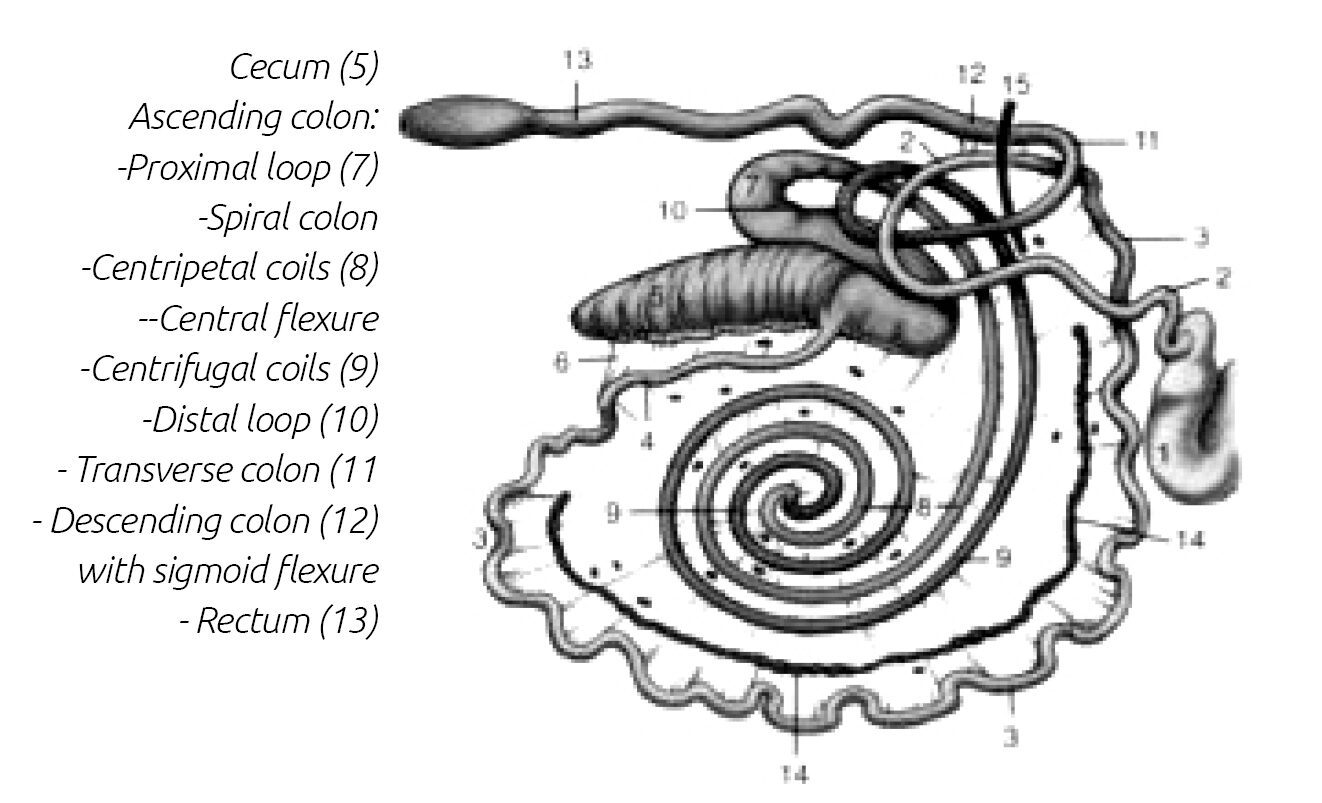
3. Caecum and colon:
These segments of the large intestine play a more limited role in mineral absorption compared to the small intestine, but they can contribute to a lesser extent to the absorption of electrolytes such as sodium, chloride and potassium, and in some cases water.
4. Finally, a portion of minerals is reabsorbed at the renal level; in fact, the kidneys play a crucial role in maintaining electrolyte and mineral balance.
Some minerals filtered from the blood in the renal glomeruli are reabsorbed in the renal tubules to prevent excessive losses through urine. This process allows regulation of the concentration of essential electrolytes such as sodium, potassium, calcium and phosphate, which are crucial for physiological functions including muscle contraction, nerve conduction and milk production. Reabsorption is influenced by hormones such as aldosterone, which modulates sodium reabsorption, and parathyroid hormone, which regulates calcium, ensuring a mineral balance suited to the animal’s productive and metabolic needs.
CALCIUM FAST LIQUID
Liquid complementary feed for dairy cows, lactating sheep and goats
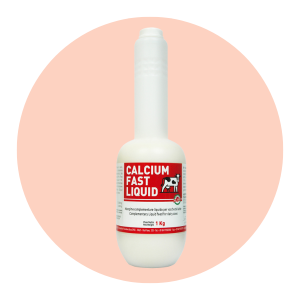
CALCIUM FAST LIQUID contains calcium in highly bioavailable organic forms:
- Calcium pidolate;
- Calcium formate;
- Calcium propionate-
REIDRAL LIQUID
Liquid complementary feed for ruminants.
- Provides sodium, potassium and chlorine salts.Apporta sali di sodio, potassio e cloro
- Contains sugar sources for rapid energy utilisation.
- Readily soluble and easy to use.
- Ideal in cases of hydro-saline imbalance, transport stress or high temperatures.
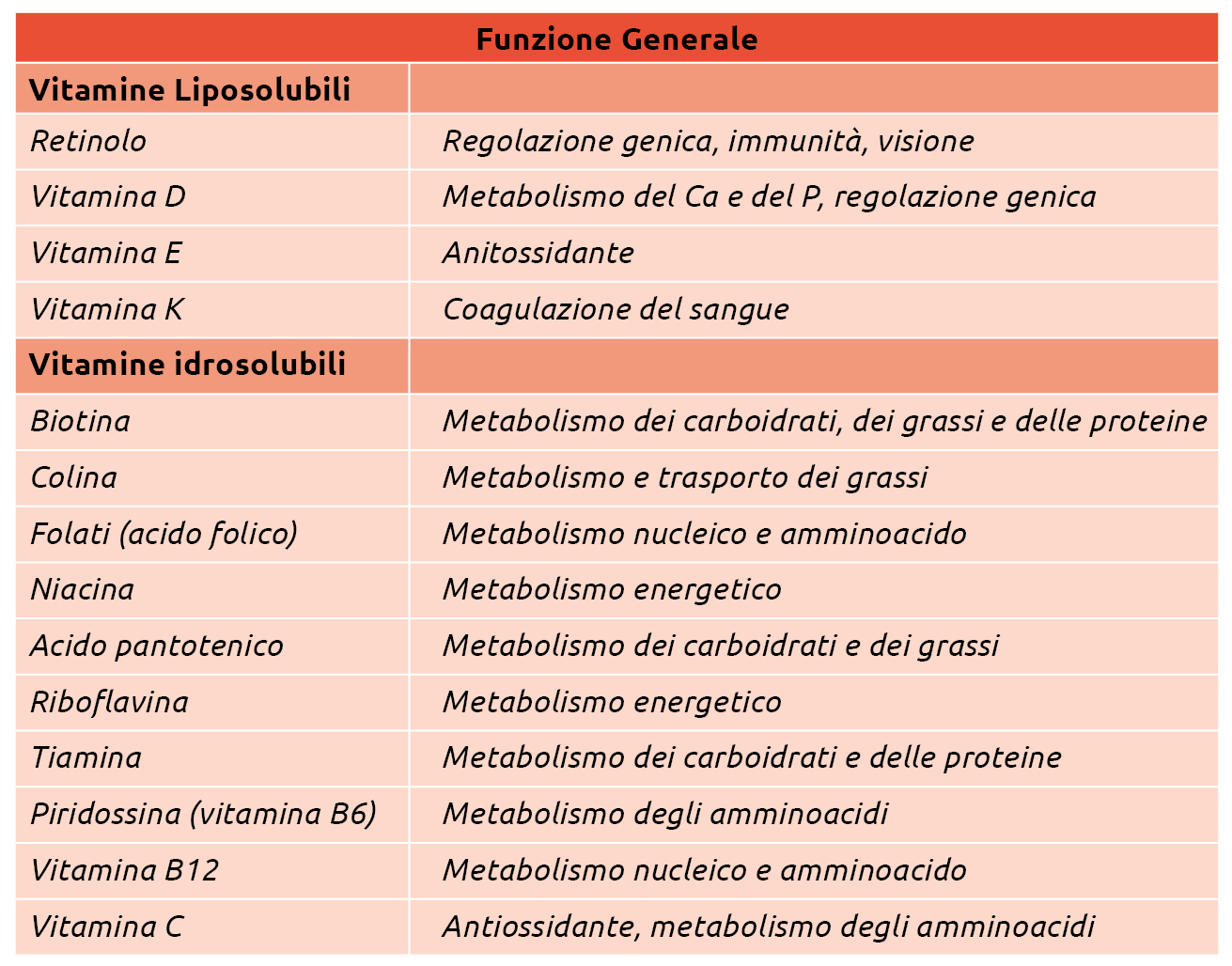
VITAMINS
Which are essential and how have NASEM requirements changed?
Vitamins play an essential role in the diets of dairy cows, contributing to the proper functioning of numerous metabolic processes that affect animal health and productivity. These micronutrients, although required in small amounts, are fundamental in supporting growth, reproduction, immune function and milk production. Vitamins such as A, D and E are crucial for maintaining good reproductive performance, promoting mineral absorption and protecting tissues from oxidative stress. Adequate vitamin supplementation in rations is therefore indispensable to optimise dairy cow performance and prevent deficiencies that could compromise productivity and well-being.
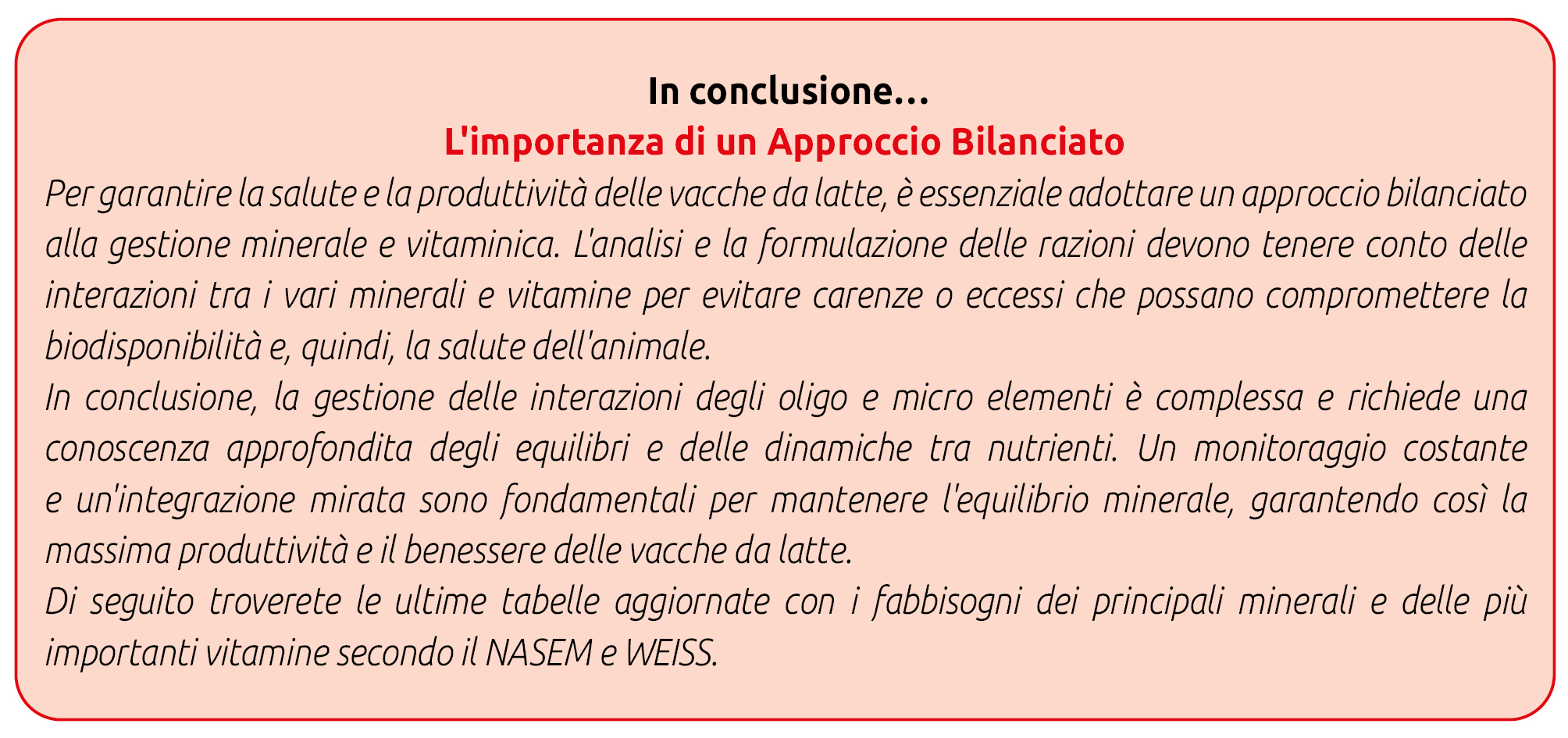
KETONIC
Dietetic complementary feed for reducing the risk of ketosis in dairy cows.
Start safely!
Why use Ketonic to reduce the risk of ketosis?
- Propylene glycol –> rapidly available energy
- Glycerol – > slower energy release with prolonged action
- Sugars –> improve rumen activity
- Vitamin B12 –> synergistic action with propylene glycol
- Niacinamide –> limits fat mobilisation
- Rumen-protected choline – >supports hepatic tissue in lipid metabolism
- Bypass methionine – >contributes to endogenous choline synthesis
- L-carnitine –> transports fatty acids into mitochondria to be used as an energy source
ADISAL EVOLUTION
Mineral complementary feed for dairy cows.
- Complete vitamin–mineral formulation designed to meet the needs of high-producing cows.
- Suitable for high-performance farms requiring adequate supplementation.
TOP DRY 200 2.0
Mangime minerale per vacche da latte in asciutta e manze gravide
- Designed for high requirements, with chelates, 6 days of vitamin PP per head per day, biotin and high magnesium content.
- High-end product intended for use throughout the entire dry period.
AGENOR
Mineral feed for cattle, buffaloes, sheep and goats.
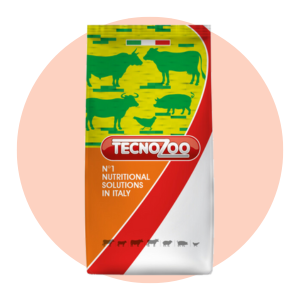
- Stimulates dry matter intake and consequently production.
- Contains plant-derived products that support regulation of thermal and oxidative balance.
- Improves animal performance.
KRIPPER 10
Complementary feed for calves.
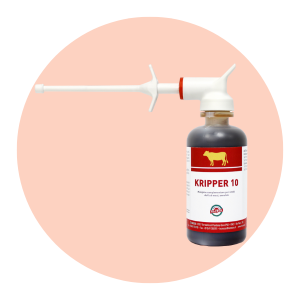
- Supports the maintenance of intestinal well-being, thereby counteracting the proliferation of undesirable agents.
- May be useful in improving animal well-being in farms characterised by high pressure of intestinal agents and issues associated with digestive disorders.
Download the full magazine: CLICCA QUI
To stay up to date with all our latest news, follow us on Instagram or on Facebook.