The Young Lombard Livestock Sector
THE YOUNG LOMBARD LIVESTOCK SECTOR
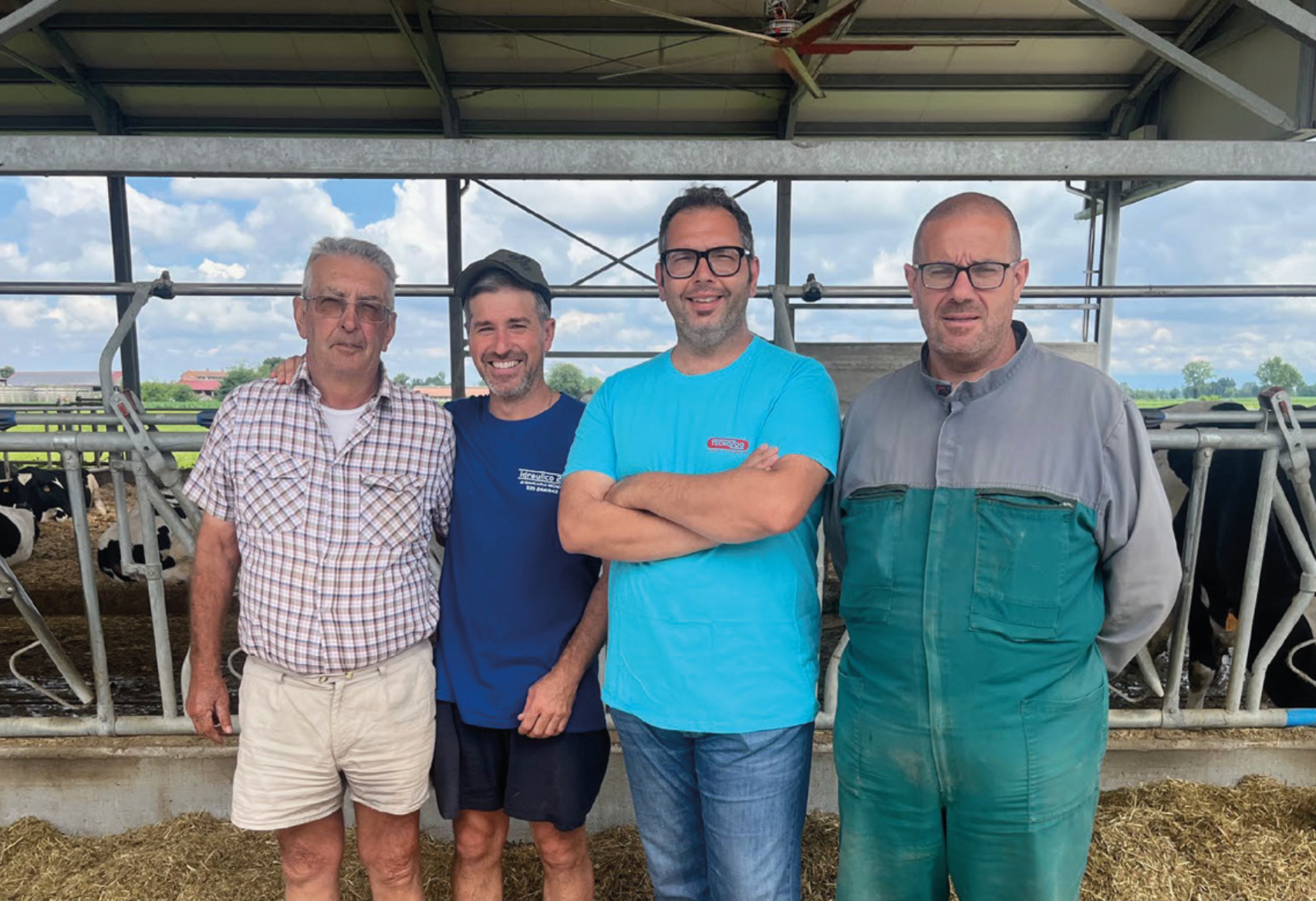
The Molinadairy farm and livestock operation has the typical appearance of a historic farm from the Lodi area, which has grown over time thanks to the tireless hard work of Angelo Chiesa, who moved to Corte Palasio in 2006 with the idea of continuing the work that has accompanied his family for generations. Walking through the aisles, what immediately stands out is the beauty and well-being of the animals on the farm, and the humility—veiled by genuine Lombard ironic friendliness—with which Angelo introduces his son Davide, co-owner of the farm together with his other son Andrea.
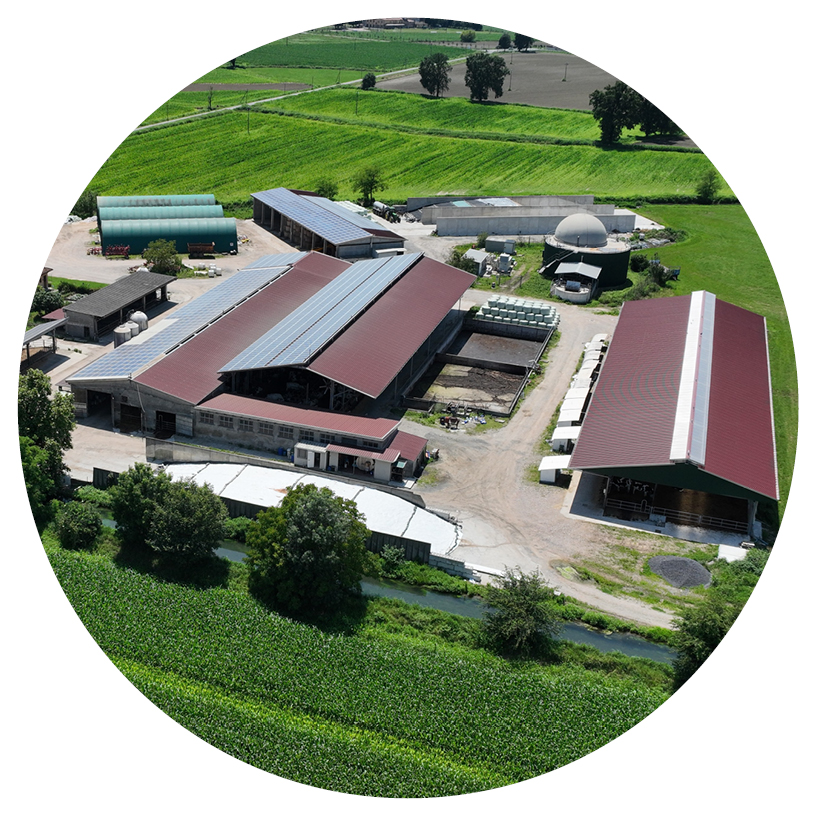
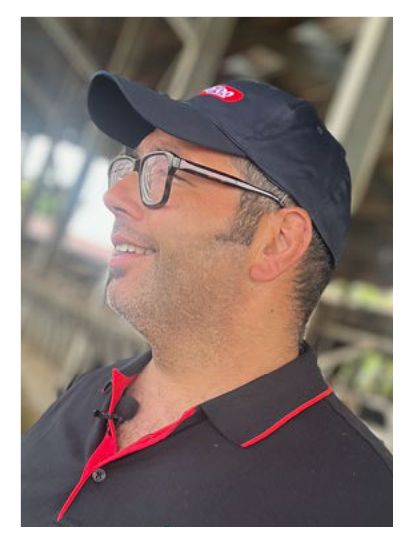
It is here that young Davide Chiesa, with the indispensable help of his wife Cristina, together with his father Angelo and his brother Andrea (for whom the farm represents a second job), is putting his personal qualities and the skills acquired during his studies to good use, in order to make this farm a flagship of the Lodi countryside—from the point of view of business management, production results, and also the “vision” of the livestock sector.
In the early 2000s, after completing our studies, my brother and I expressed to our father our desire to continue working on the farm, but the size of the farm we had at the time (shared with our uncle and cousin) could not support five family units. Thus, we found ourselves facing that generational “crossroads” that sooner or later all farms must confront: either close down and change profession, or invest and expand, creating a new and modern farm that could carry our history as livestock breeders into the future. We therefore moved here and began our project, starting with the 90 cows we had at the time and reaching the 250 we have today.
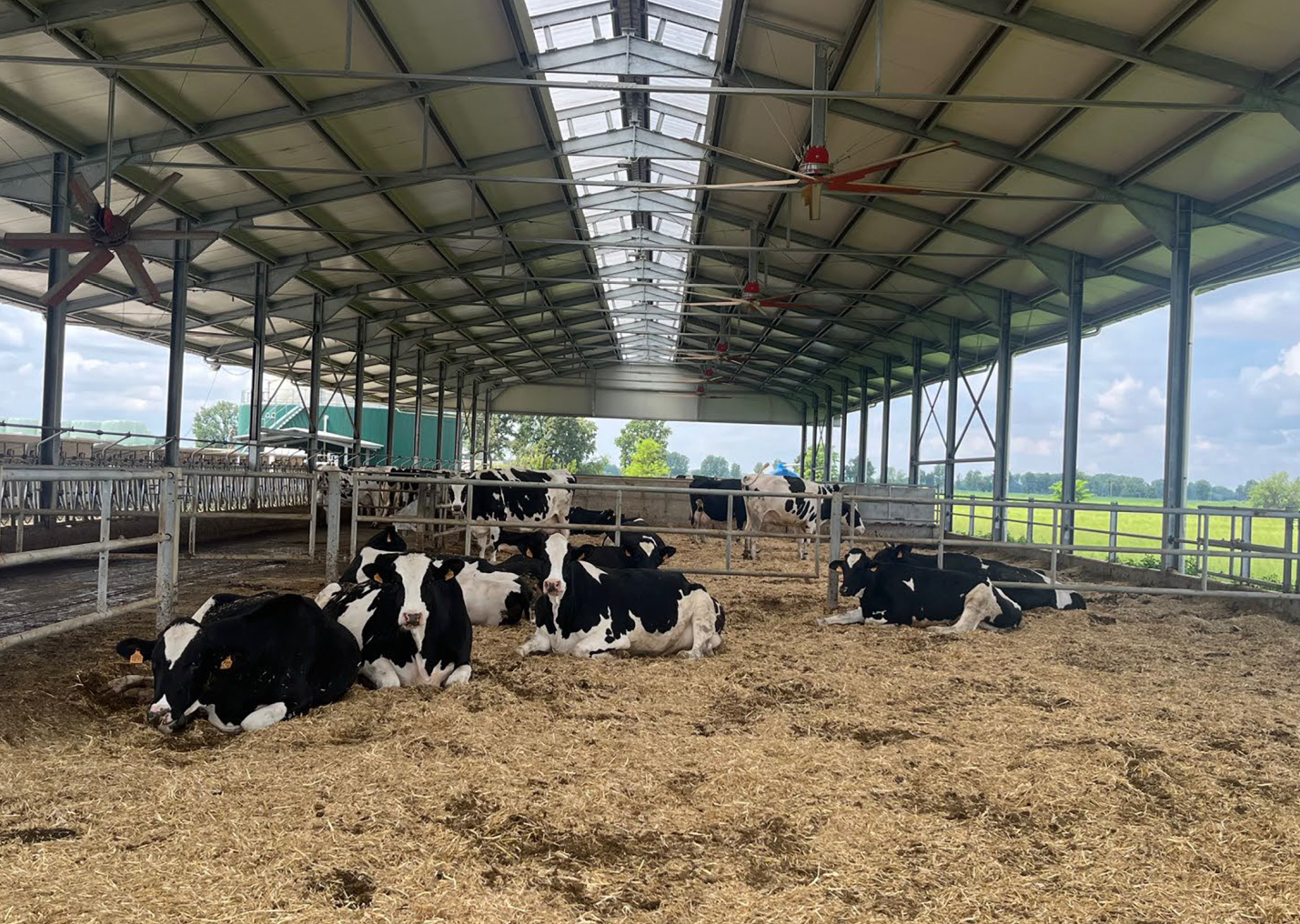
“The close-up phase represents, in our opinion, the most important moment of the entire productive life of the dairy cow, not only during the transition phase but also for the cascading effects on any subsequent offspring,” explains Dr. Pierantonio Boldrin, head of Tecnozoo’s technical service:“The nutritional approach we adopt during this delicate phase is aimed at caring for the digestive component to adapt rumen functionality in preparation for the upcoming lactation, with particular attention to mineral supply and especially to calcium management. We focus on the DCAD of the diet, without drifting toward an ‘anionic’ approach (which, in our opinion, cannot be considered truly physiological!), as well as on an adequate amino acid supply, both qualitatively and quantitatively—recently confirmed in its importance by scientific research. It is also extremely important not to overdo the energy supply, which should be fractionated among fiber, starches, and sugars, in order to maintain a balanced amino acid/energy ratio and avoid emphasizing propionate supply, so as to prevent its potential hypophagic effect. One of the clear advantages of this close-up diet is, in fact, its ability to guarantee excellent dry matter intake!
Cornerstones of Tecnozoo’s close-up diet:
- Control of dry matter intake
- Balanced amino acid/energy supply
- Fermentative rumen adaptation
- Attention to dietary DCAD without non-physiological anionic drifts
- Attention to oxidative/inflammatory stress
Read the full article in the July/August issue – Ex Dairy Press
For more information, call +39 049 9350 700 or email tecnozoo@tecnozoo.it
To stay up to date with all our latest news, follow us Instagram or on Facebook.