Environmental solutions to reduce heat stress
Environmental solutions to reduce heat stress: how to obtain dry bedding with reduced fly presence
Environmental solutions to reduce heat stress: everything you need in a single product: SUMMER 300 TOP
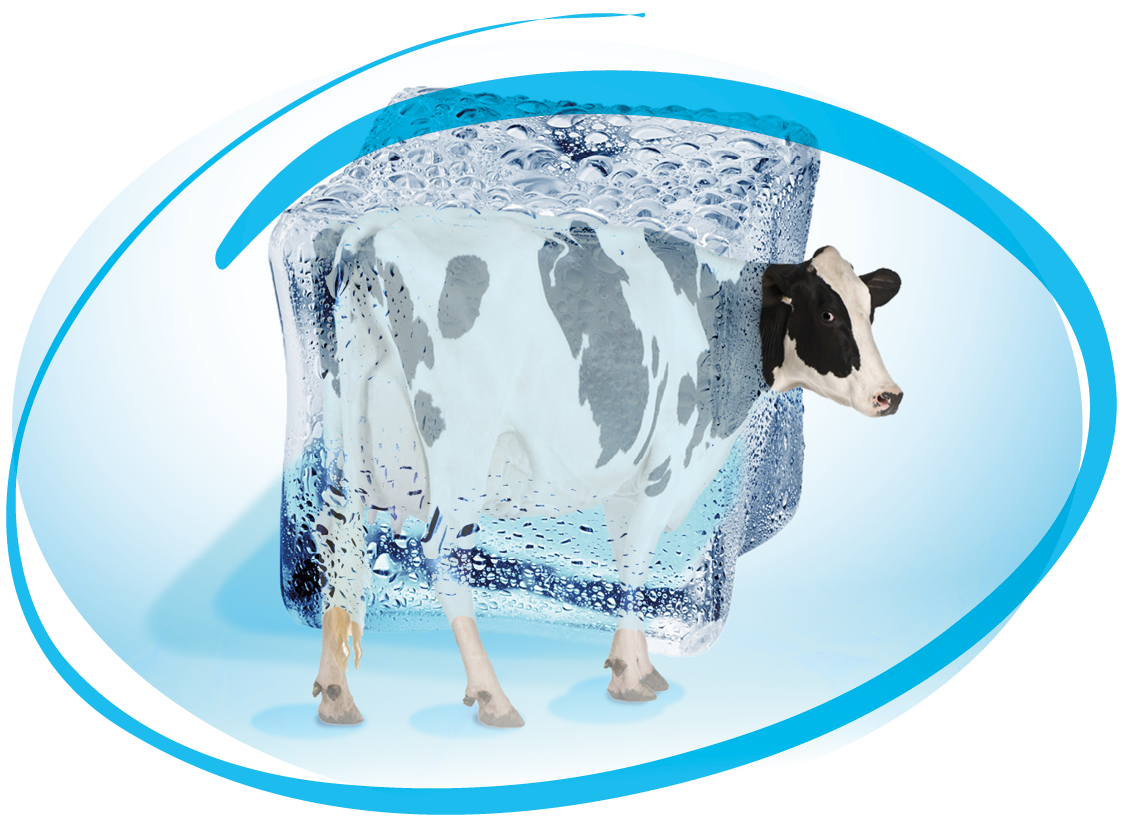
As mentioned in the previous sections, during the summer period dairy cows must implement a series of metabolic compensations to help dissipate heat by reducing its production.
Specifically,
Dairy cow response to heat stress
– Increased respiration rate >80 breaths/minute;
– Increased body temperature> 39°C;
– Increased water loss through evaporation;
– Reduced movement;
– Reduced DMI (>25,5°C) >10-15%;
– Increased maintenance requirements>35%;
– Increased water intake
– Alteration of electrolyte balance: sweating and polypnea lead to electrolyte losses: Na +80% and K +17%;
– Alteration of blood hormonal balance (cortisol, estradiol, progesterone).
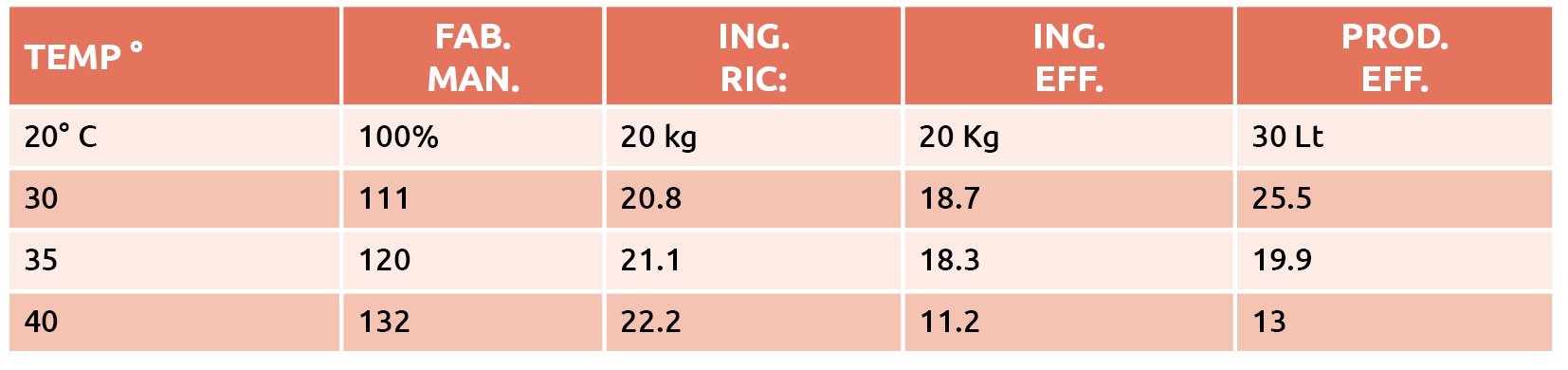
Effect of temperature on maintenance requirements and dry matter intake in 650 kg cows producing 30 liters of milk
How can cows be helped to cope with heat-related issues?
Significant support undoubtedly comes from certain management and environmental practices, such as:
– Regular cooling sessions;
– Avoiding operations during the hottest hours and reducing waiting times (milking parlor, self-locking headgates, separation, etc.);
– Minimizing group changes;
– Frequent bedding replacement;
– Delivering the TMR twice daily;
– Providing feeding space equal to the number of cows present;
– Frequent cleaning of the feed bunk;
– Continuous feed availability;
– Avoiding excessive ration moisture;
– Maximum attention and prompt treatment of diseases.
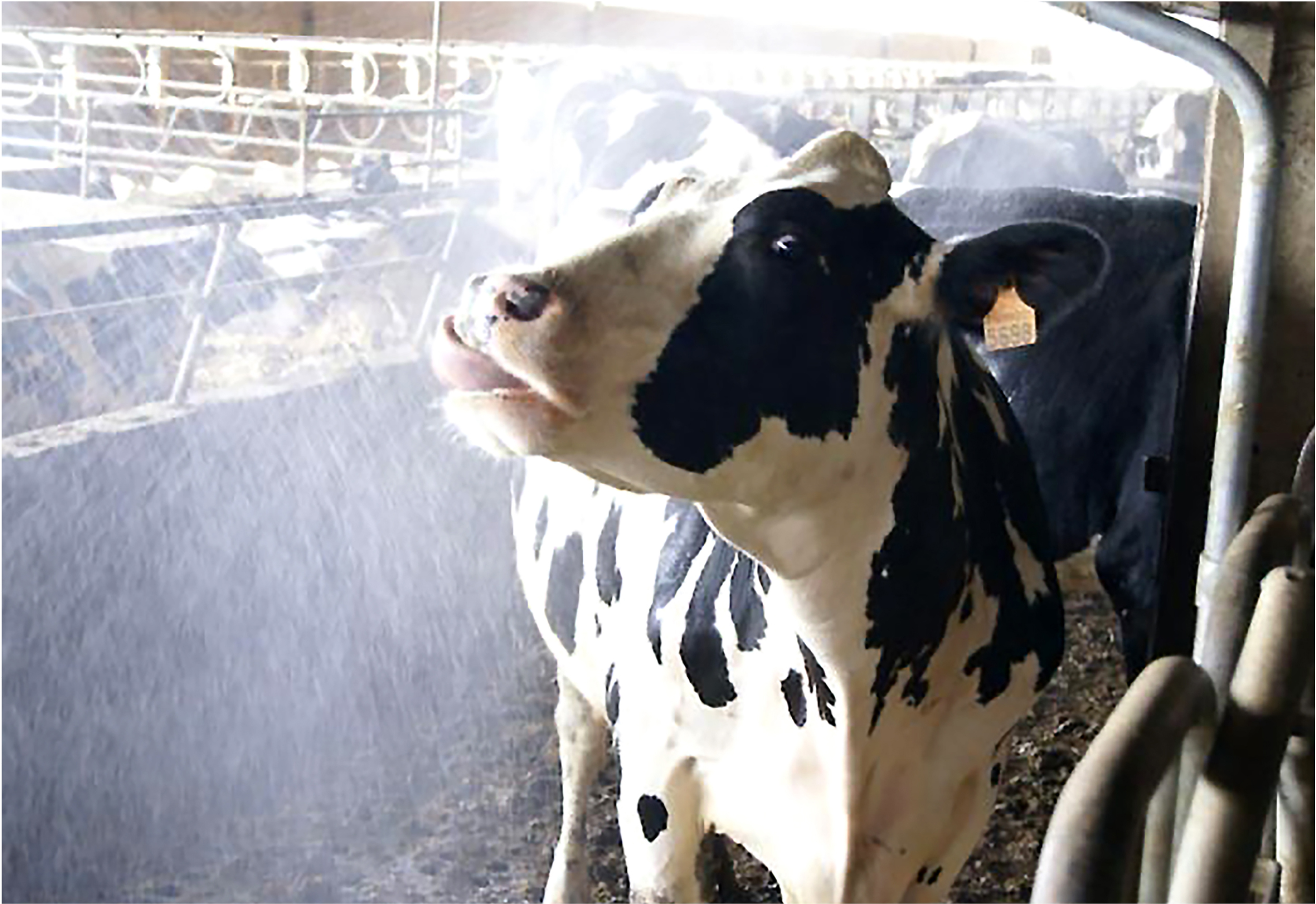
From a structural standpoint, it has been shown that making cows stand up and wetting them every 4 hours can save nearly 4 liters of milk (recent research conducted in Israel).
It is recommended to wet animals in at least a couple of points during the waiting time for milking, as animals are crowded there and remain for extended periods.
On average in Italy, misting systems do not function effectively because the environment is humid. They were in fact designed for low-humidity environments (evaporating water removes heat from the air and cools it).
In our farms, it is therefore more appropriate to use showers to wet the animals. It is also important to ensure optimal comfort with clean, well-maintained cubicles and adequate ventilation.
Significant support can also come from nutrition, such as:
–> Stimulating intake;
-> Ensuring both quantity and quality of available water;
-> Mitigating energy deficit::
– Starches, + sugars and soluble fibers!
+ Energy precursors!
-> Recovering digestible amino acids by increasing the proportion of high biological value bypass proteins;
-> Increasing the supply of ruminal and intestinal buffers;
-> Remodulating mineral intake.
Environmental solutions to reduce heat stress:
SUMMER 300 TOP
Mineral complementary feed for dairy cows
Also available in the following versions:
Summer 300 GP for the Grana Padano specification.
Summer 300 PR for the Parmigiano Reggiano specification.
Summer 300 TOP is a complementary feed that combines all substances contributing to the support of normal dairy cow physiology during periods of intense heat.
• Vitamin PP supports lipid metabolism and promotes peripheral vasodilation, increasing heat dissipation.
• Contains protein sources with high bypass value (corn gluten).
• Provides mineral salts such as sodium (Na), potassium (K), and magnesium (Mg), which are excessively lost during heat stress.
• Highly bioavailable trace elements essential for maintaining basic physiological functions.
• Supplementation with betaine protects cells from osmotic stress and dehydration.
• Probiotics and plant extracts improve ruminal efficiency and stability and mitigate oxidative stress.
For more information: Summer 300 Top
Bedding moisture control and fly management: environmental solutions to reduce heat stress
Management of the farm environment requires evaluation, control, and prevention of all factors that can negatively affect animal health and welfare.
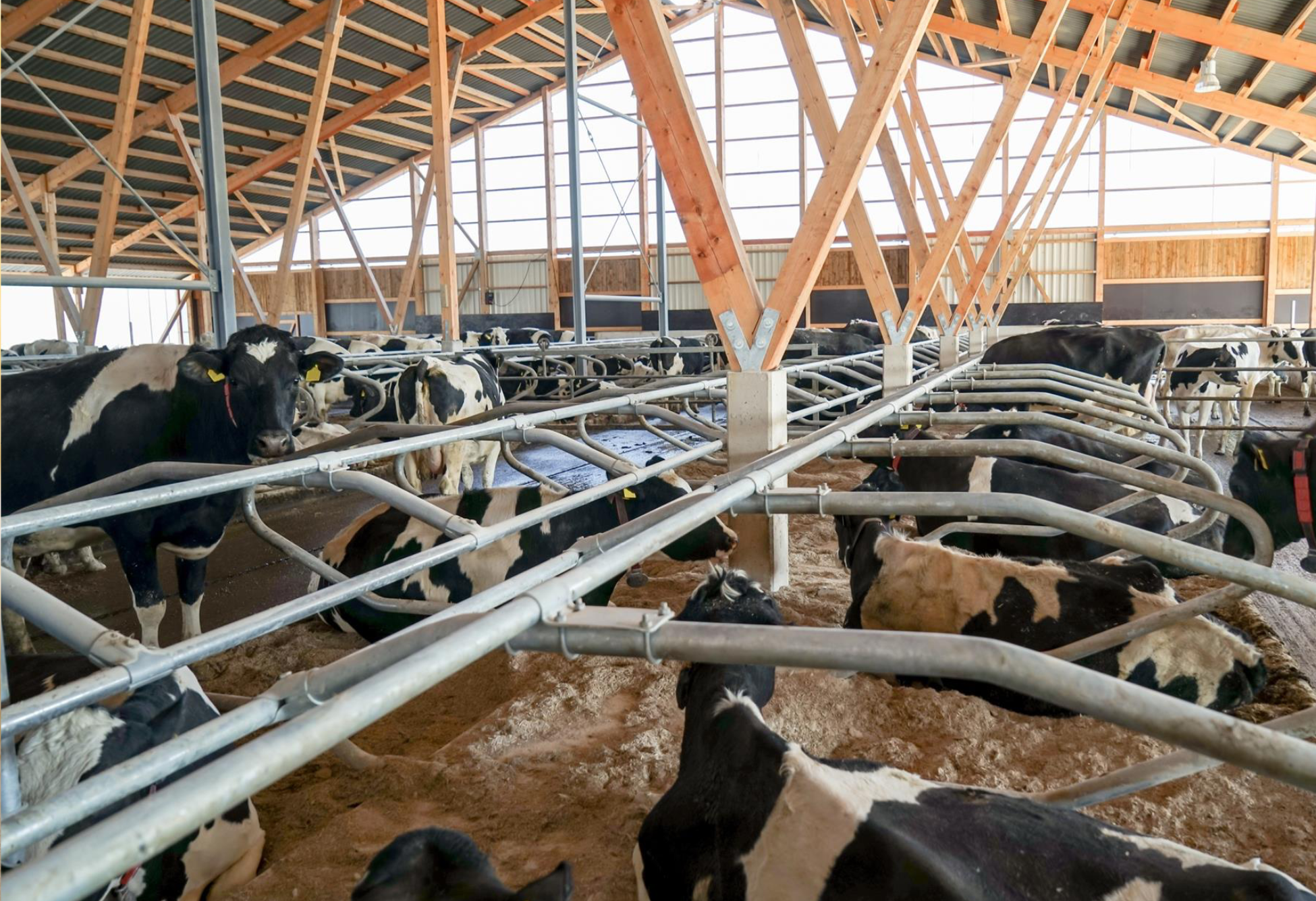
In reference to livestock systems with permanent bedding, as well as cubicles for cattle, excessive moisture and the formation of ammonia and other malodorous gases from bedding materials (wood shavings, straw, etc.) compromise animal health and welfare.
Excessively wet bedding favors the development of environmental pathogens and predisposes animals to pododermatitis. Ammonia, being irritating to the upper airways, also promotes respiratory damage.
LT Plus contains calcium salts that studies have shown to reduce bedding moisture and ammonia production. These effects are believed to be due to a reduction in ammonia-producing bacteria following bioconditioning of the bedding by calcium salts, together with mineralization of nitrogenous compounds by ammonia-producing bacteria.
The activity of calcium salts depends on their concentration and on the degree of bedding moisture. Reducing ammonia emissions from bedding is important not only for improved animal health and welfare but also for reducing the environmental impact of livestock farms, a topic increasingly in the spotlight in recent years.
Environmental solutions to reduce heat stress:
LT PLUS SUMMER
Environmental product for slurry, slatted floors, permanent bedding, straw cubicles, mattress cubicles, poultry litter
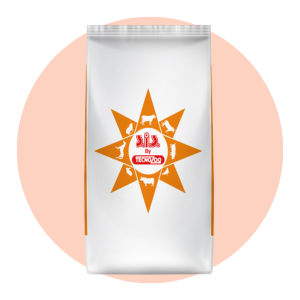
The addition of leonardite for enhanced fly control: LT PLUS SUMMER combines the bedding bioconditioning capacity of LT Plus with fly larval control provided by a specific mineral: leonardite.
Leonardite is a natural raw material, a black or brown mineraloid produced by the oxidation of lignite. It is a rich source of humic acid (up to 90%), a natural substance formed through the degradation of plant or animal organic matter.
Once spread on bedding, LT PLUS SUMMER is able to select and promote the growth of non-pathogenic fungal strains that inhibit the development of fly larvae.
Important: environmental adaptation of bedding may require several weeks. Consider early inclusion of LT PLUS SUMMER (at least starting in May) to allow improvement of the chemical–physical and microbiological characteristics of the bedding and selection of fungal microflora capable of interacting with fly larvae.
For more information: Lt Plus Summer
To stay up to date with all our latest news, follow us on Instagram or on Facebook.