Nutritional solutions from research against heat stress

Nutrition: targeted supplementation for the summer period
In this second article dedicated to heat stress, we will analyze the development of the product NDF 150 Summer.
NDF 150 SUMMER
Complementary feed for dairy cows
Why use it against heat stress in dairy cows?
F.P.A.O.: Aspergillus oryzae, observed benefits
– Increased milk production and reduced vaginal temperature in heat-stressed cows (Kaufman J. et al., 2019);
– Increased feed intake;
– Reduction of inflammatory markers and cytokine production;
Improvement of cows’ overall condition (Kaufman J. et al., 2019).
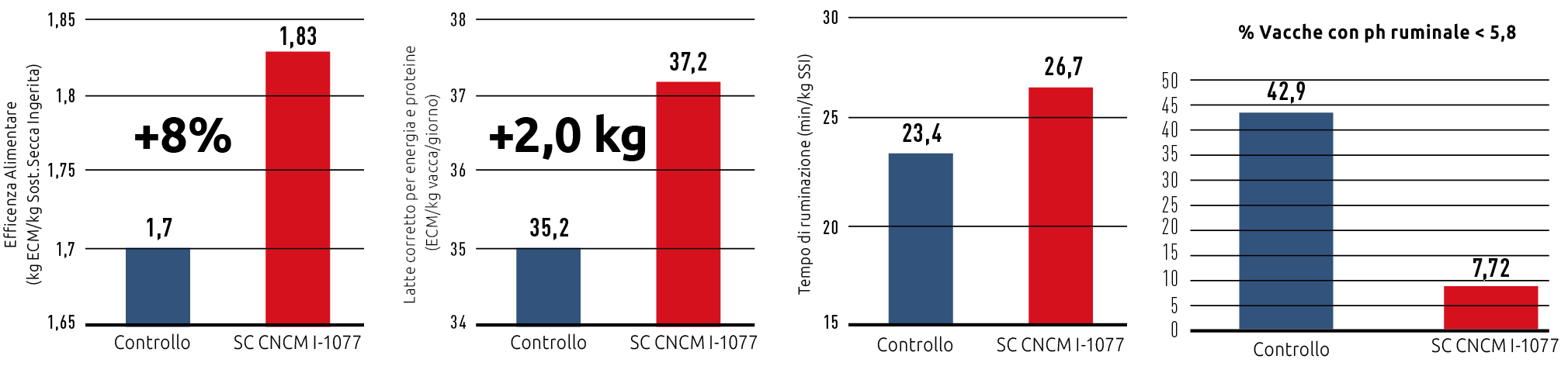
CNCM I-1077: live yeast, observed benefits (Fustini et. all., 2013 – Perdomo M.C. et all., 2020): Daily inclusion level: 20 × 10⁹ CFU/cow/day
– Improvement of feeding behavior (increase in number of meals);
– Improved chewing activity, increased rumination -> salivary production (buffering effect) -> stabilization of rumen pH;
– Improved feed efficiency: +8.0% (+130 g of energy-corrected milk/kg DMI (+5.7%));
– Reduction of the interval between two rumination acts (optimization of rumination behavior);
– Improved fecal consistency;
– Reduction of blood inflammatory biomarkers (Amyloid A);
– Improvement of milk production (ECM): +2 kg/cow/day.
Betaine: observed benefits
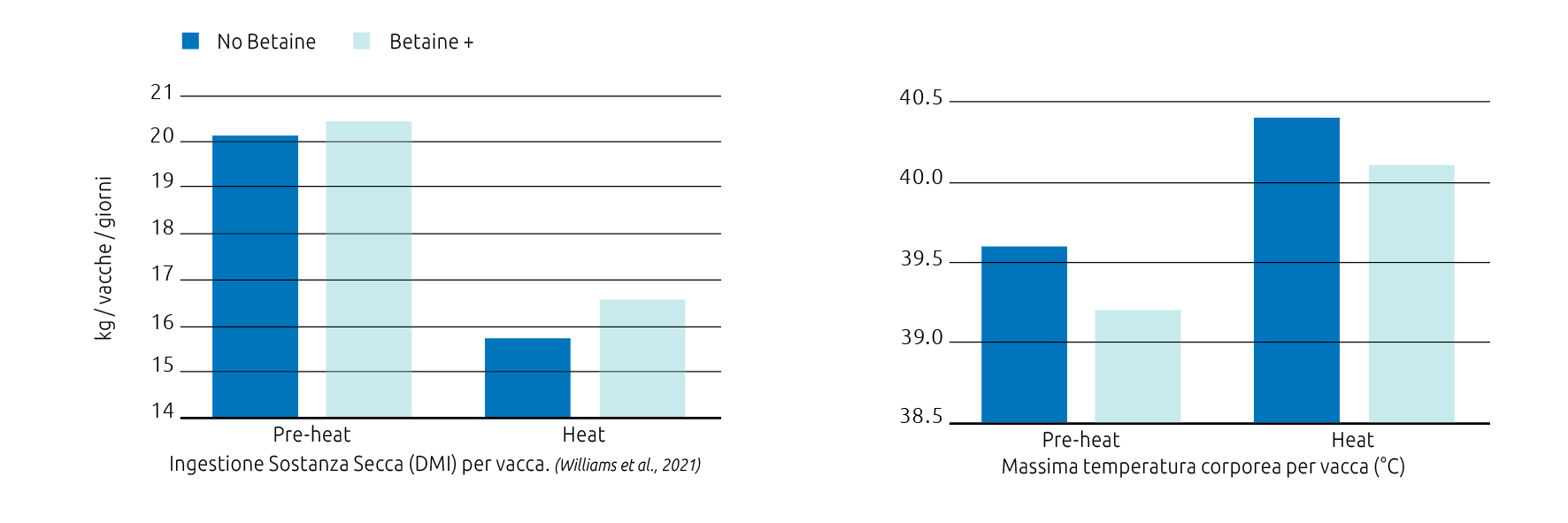
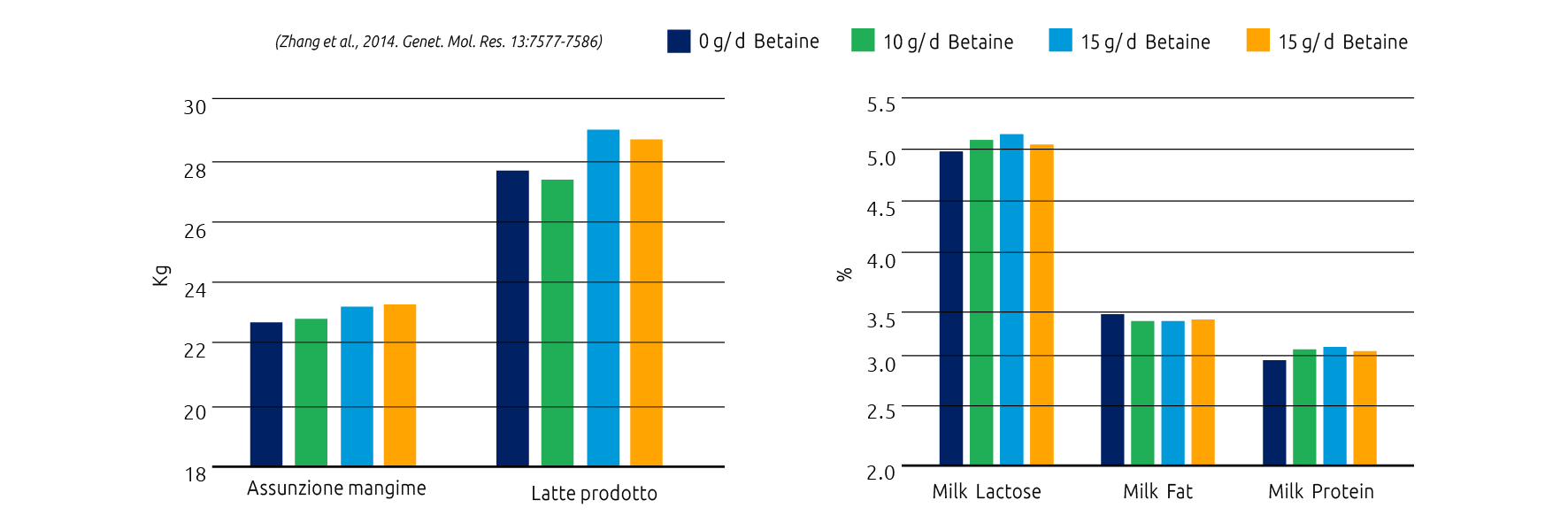
– Increase in milk fat percentage (Wang et al., 2010);
– Increase in dry matter intake (DMI) (Zhang et al., 2014);
– Increase in milk production and milk fat percentage (Wang et al., 2010); (Wang et al., 2010)
– Helps animals recover from periods of heat stress;
– Increase in milk production by 6% in grazing animals (Dunshea et al., 2019 – Melbourne University).
Important:
Metabolic adaptation of animals to betaine may require several weeks.
Consider early inclusion in the diet (at least 4 weeks before the onset of high temperatures) to allow cows to adapt and to fully exploit the impact that betaine can have on production.
The key role of potassium carbonate in summer feeding of heat-stressed dairy cows
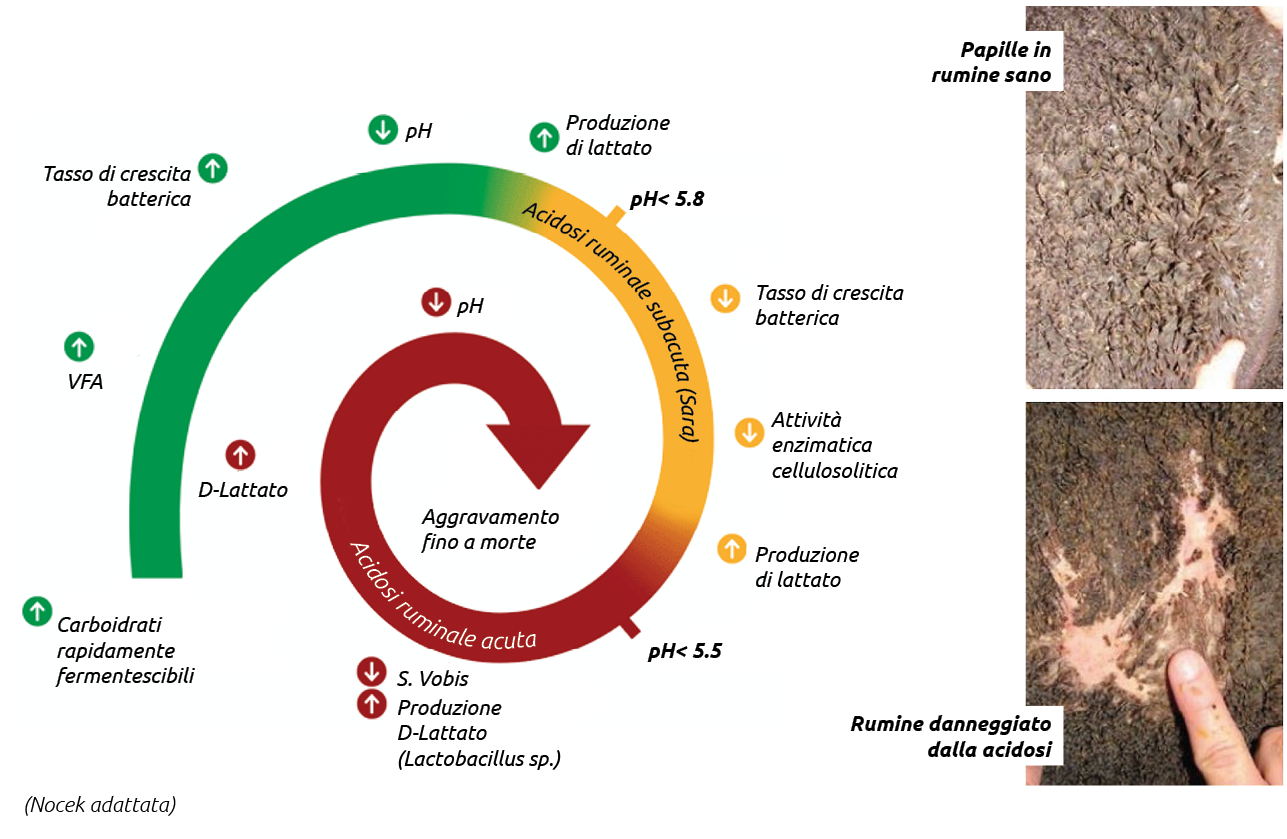
During the summer period, due to high temperatures, animals experience hyperventilation; as a result, they lose CO₂ and the buffering capacity of the rumen is reduced, increasing the risk of acidosis.
For this reason, combined with the fact that modern diets are increasingly based on high levels of concentrates, it becomes essential to buffer the rations.
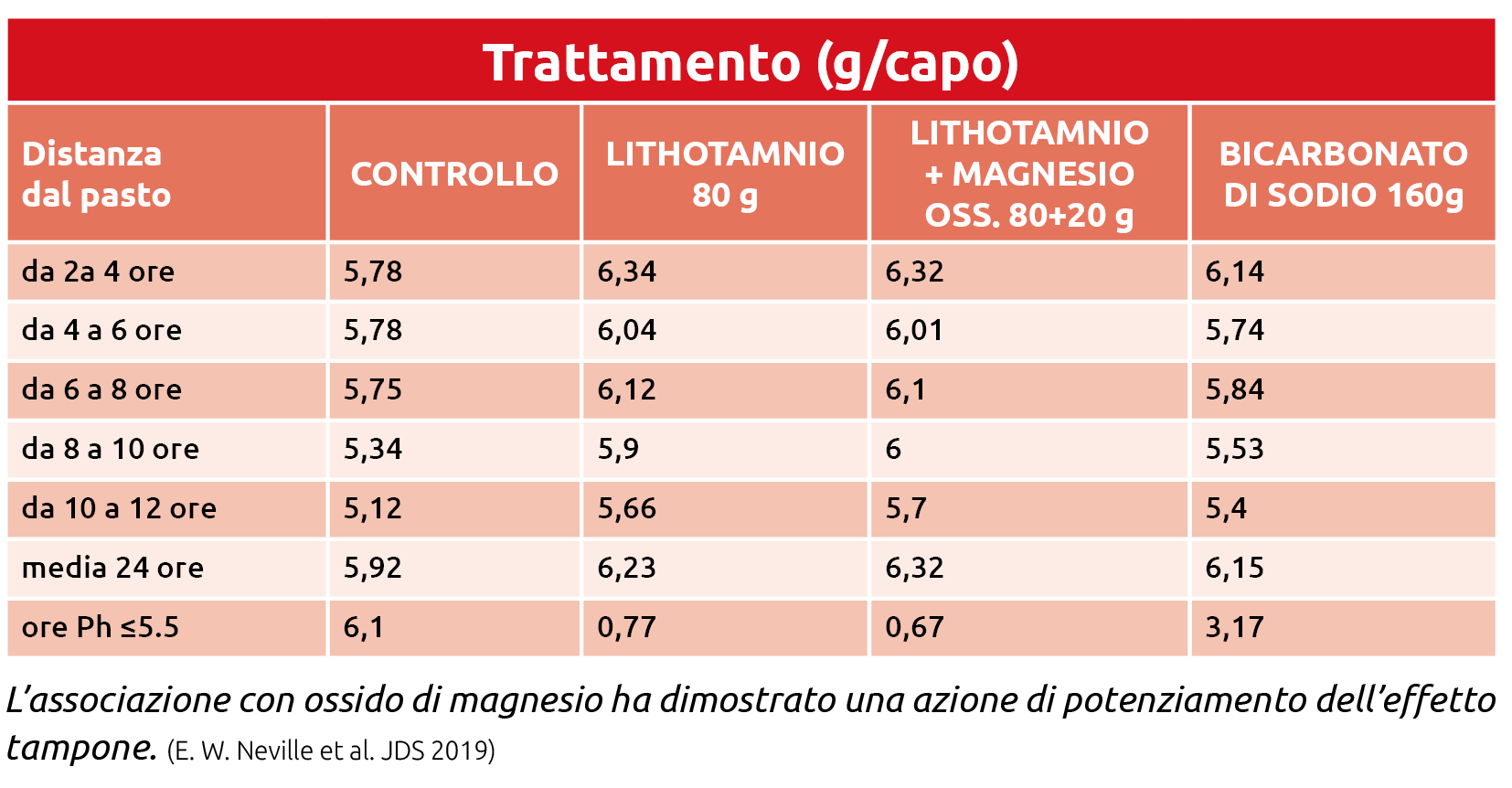
Indeed, when rumen pH drops below 5.5 for prolonged periods, the rumen can develop subacute ruminal acidosis (SARA).
This has a direct impact on the rumen environment, with consequences for overall animal condition and alterations in nutrient flow, ultimately leading to reduced productivity.
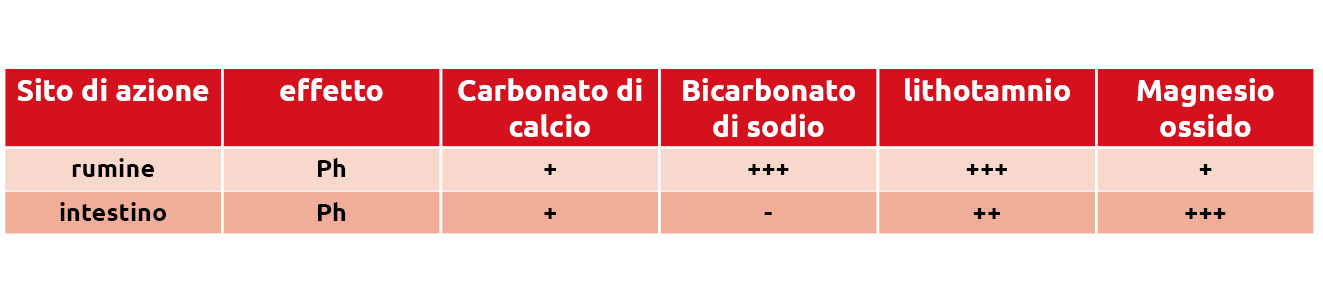
Rumen buffers such as sodium bicarbonate are commonly included in the diets of lactating cows to stabilize rumen pH. However, sodium bicarbonate shows its maximum effectiveness when rumen pH is between 6.2 and 6.5. More recently, calcareous marine algae have been used to buffer ruminant diets.
Lithothamnion calcareum is a red alga belonging to the Corallinaceae family, whose main characteristic is the formation of calcium and magnesium carbonate precipitates within its cell walls. While calcium and magnesium are the predominant minerals, this alga also contains other trace elements such as iron, manganese, boron, nickel, copper, zinc, molybdenum, selenium, and strontium. Its distinctive honeycomb structure promotes pH stabilization over a longer period, with inclusion levels significantly lower than those required for bicarbonate.
Extensive international documentation reports that lithothamnium:
– Improves feed efficiency
– Increases fiber digestion
– Reduces the risk of acidosis
– Supports milk fat and protein content
Why does the inclusion of potassium carbonate against heat stress become even more important?
During the summer months, dairy cows face heat-related challenges that can affect milk production and overall performance. In this context, potassium carbonate plays a crucial role in dairy cow nutrition. Summer heat can lead to increased sweating, resulting in the loss of essential mineral salts, including potassium. Potassium carbonate is used to restore electrolyte balance in the animal, thereby helping to prevent dehydration and declines in milk production.
In addition, potassium carbonate plays an important role in maintaining pH balance within the digestive tract. During periods of heat stress, gastrointestinal pH can be compromised, negatively affecting digestion and nutrient absorption. Supplementing dairy cow diets with potassium carbonate helps maintain an optimal gastric environment, ensuring proper digestion and efficient utilization of nutrients.
TAMPOLITO SUMMER
Complimentary feed for cattle.
Extensive international documentation reports that lithothamnium:
– Improves feed efficiency
– Increases fiber digestion
– Reduces the risk of acidosis
– Supports milk fat and protein content
To stay up to date with all our latest news, follow us on Instagram or on Facebook.