Nutritional management during the summer period
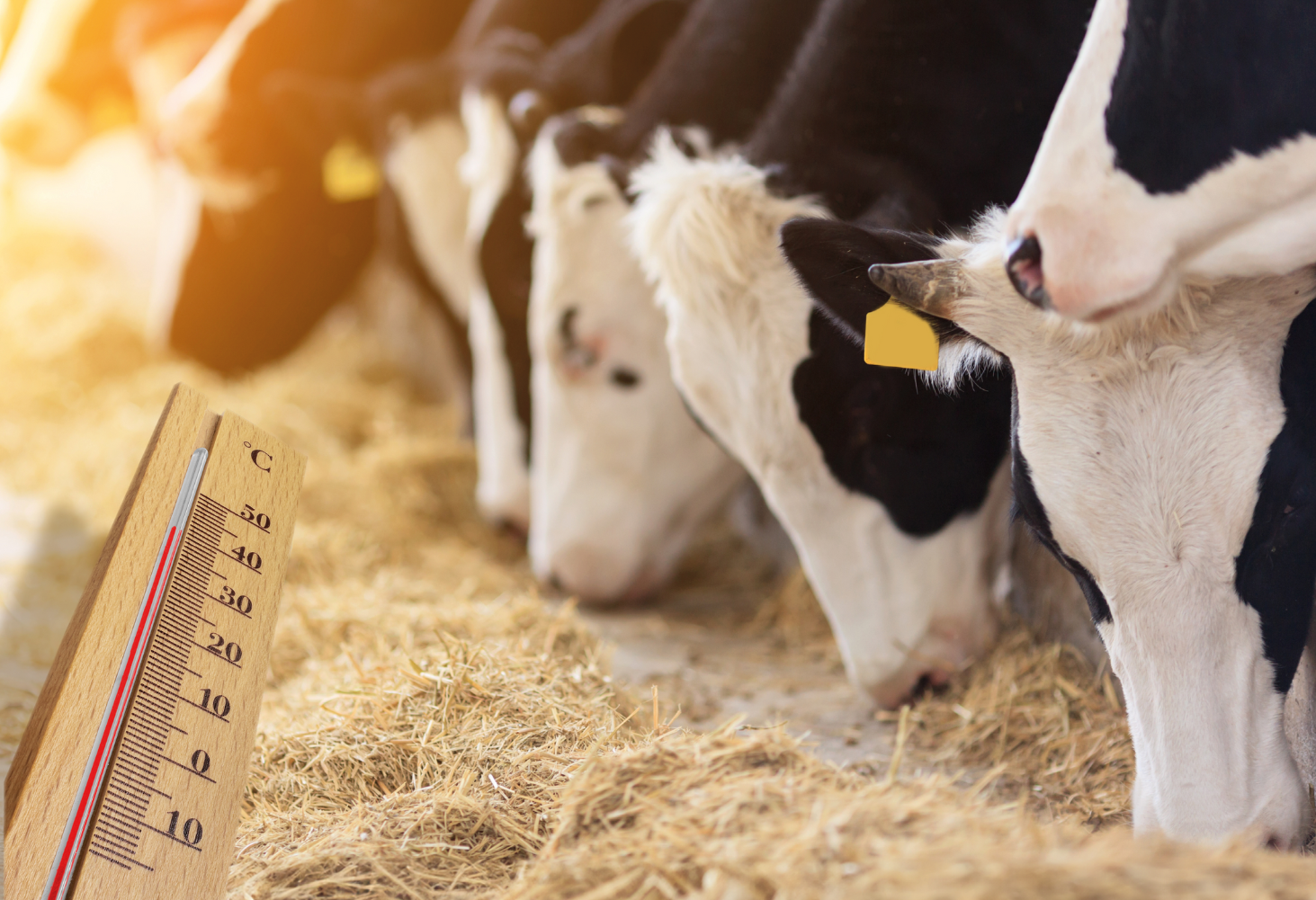
The proven effectiveness of betaine and PFAO (Aspergillus oryzae fermentation product) for proper nutritional management
In this first article dedicated to heat stress, we will analyze the development of NDF 100, which, in its summer formulation with a significant addition of betaine, is marketed as NDF 150 Summer.
The first part will focus on an in-depth analysis of the NDF product, supported by several research publications that experimentally demonstrate its benefits.
Characteristics: Association of ruminant additives with proven efficacy, featuring probiotic action (live yeasts) and prebiotic action (fermentation products, autolyzed yeasts), complemented by other specific components. The objective is to stimulate, support, and improve—through a synergistic effect—the fermentative and digestive activity of the reticulo-rumen compartment.
- Main components: Saccharomyces cerevisiae CNCM I-1077 Live yeast authorized as a feed additive (Reg. EC No. 1200/2005 and subsequent amendments) for dairy cows, beef cattle, dairy goats, dairy sheep, lambs, and horses.
The mechanism of action and efficacy of this specific yeast are supported by more than 100 independent international scientific publications - Mechanisms of action: Improves fiber digestibility by increasing both the number and efficiency of cellulolytic bacteria. Stabilizes rumen pH by promoting the growth of lactic acid–utilizing bacteria (Megasphaera elsdenii and Selenomonas ruminantium), thereby reducing the risk of ruminal acidosis and increasing meal frequency. Reduces ruminal ammonia and, consequently, milk urea.
Benefits: Improvement in feed efficiency (from 3.0 to 7.0%, depending on the level of stress experienced by the animal).
Protection of the ruminal epithelium, particularly during the transition period (Bach et al., 2018–2019).
Increase in kilograms of milk and meat produced.
• Dairy cows: +3.0% up to +6.0% (De Ondarza & Sniffen, 2010; Ali Haimoud-Lekhal D. et al., 2016)
• Sheep: +9% milk production
• Goats: +10–14% milk production (University of Bologna, 2013; University of Florida, 2010; University of Tehran, 2013)
Helps alleviate the negative effects of heat stress on feed efficiency in dairy cows (Perdomo et al., 2020).
Early rumen development in young animals (calves, kids, lambs, etc.) (Bach & Ahedo, 2008; Chaucheyras-Durand & Fonty, 2001; 2002; IRTA, Spain, 2015; Terre et al., 2015).
Aspergillus oryzae fermentation product NRRL 458 (P.F.A.O.)
Prebiotic authorized as a feed additive (Reg. EC No. 537/2007) for dairy cows, meat sheep, dairy goats, dairy sheep, lambs, and horses. It is produced through an exclusive multi-phase fermentation process using a selected strain of Aspergillus oryzae (multicellular, filamentous fungus).
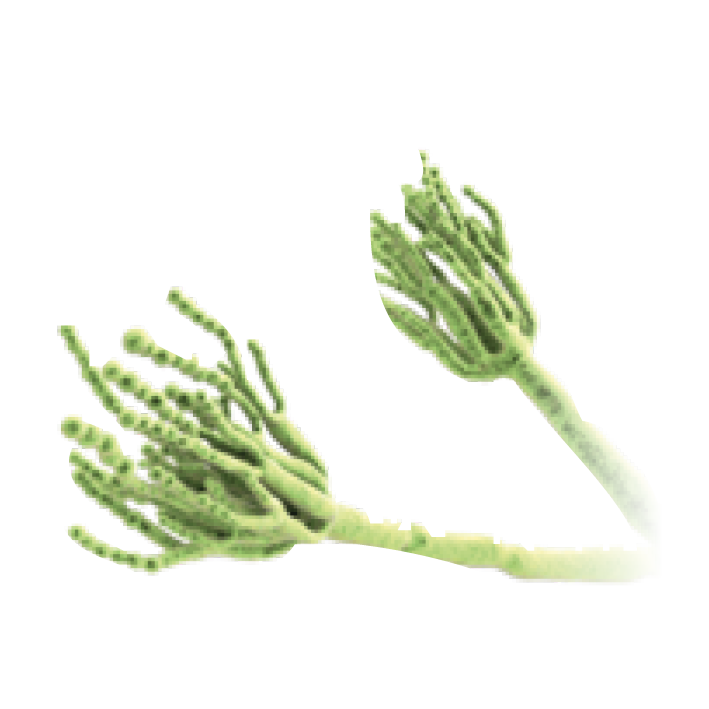
The mechanism of action and efficacy of this specific prebiotic are supported by more than 110 scientific publications and/or research studies.
Mechanisms of action
– Stimulation of the development (quadrupled) of fungal population branching in the rumen, particularly Neocallimastix frontalis EB188, resulting in increased forage fiber digestibility (Chang et al., 1999).
– Increased growth rate of cellulolytic bacteria (Fibrobacter succinogenes S85 and Ruminococcus albus 7) and certain lactic acid–utilizing bacteria (Megasphaera elsdenii, Selenomonas ruminantium, Selenomonas lactilytica): +154% cellulolytic bacteria, +79% total bacteria (Beharka & Nagaraja, 1998; Frumholtz, 1989).
– Increased synthesis of microbial enzymes involved in fiber and starch digestion: +37% cellulase activity, +162% β-glucosidase, +306% amylase (Schmidt et al., 2004).
– Increased intestinal bacterial activity (faster replication, higher bacterial counts).
– Stabilization of rumen pH.
– Increased ruminal microbial protein and VFA production.
– Greater intestinal absorptive capacity for nutrients (up to +30%), along with stimulation of the innate intestinal immune system (Ipharraguerre, 2016).
Development of fungal population branching in the rumen
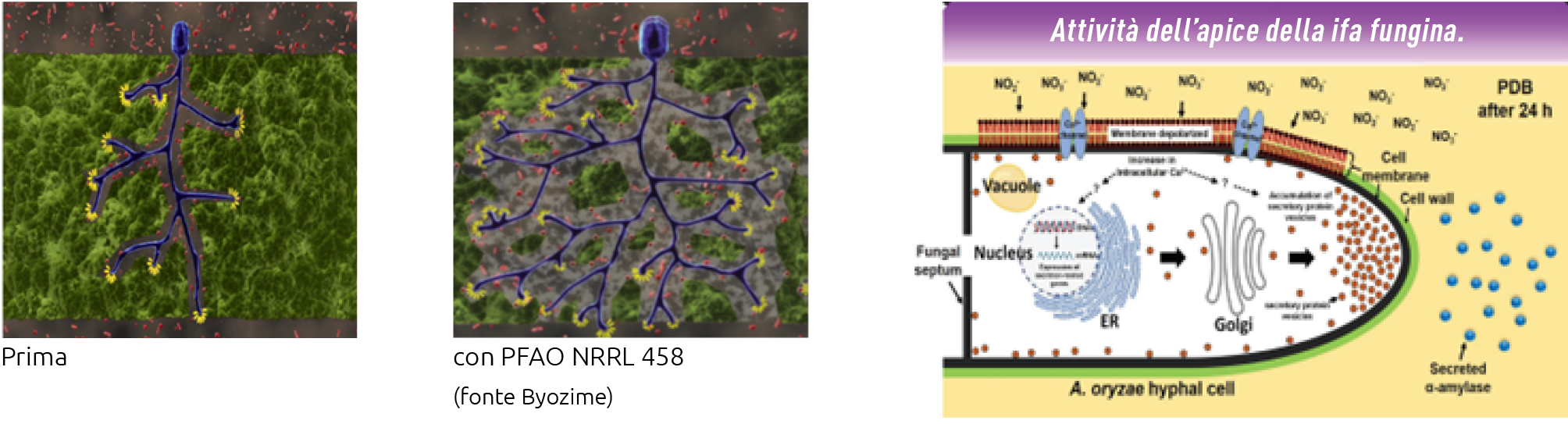
Mechanism of action of Aspergillus metabolites
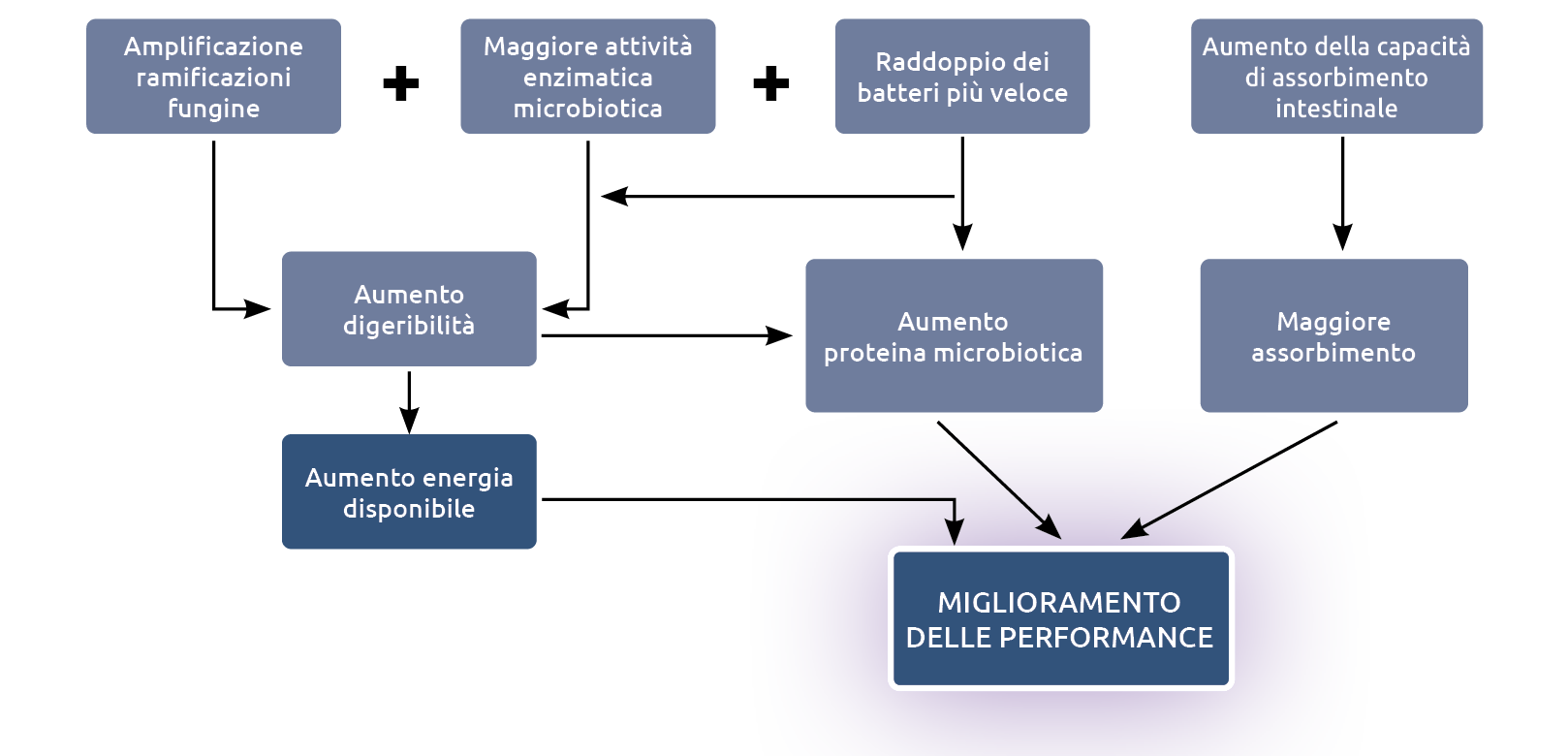
Benefits:
1. Average increase in dry matter intake of 0.5 kg (+3%) (Baumgard, L.H., 2004; Chiou, P.W.S., 2002; Gomez-Alarcon, R.A., 1991; Wallentine, M.V., 1986).
2. Increased ruminal efficiency by improving dry matter digestibility by up to 9.0% and dNDF by up to 17.0% (Nocek, J., 2011; Nocek, J., 2009; Chen, C.R., 2004; Varel, V.H., 1993; Beharka, A.A. & Nagaraja, T.G., 1993; Westvig, R.M., 1991; Gomez-Alarcon, R.A., 1991; Gomez-Alarcon, R.A., 1990).
3. Increased synthesis of ruminal microbial protein (Caton, J.S., 1993; Gomez-Alarcon, R.A., 1991).
4. Improvement in feed efficiency from 5.0 to 6.4% (Cantet, J.M. et al., 2019).
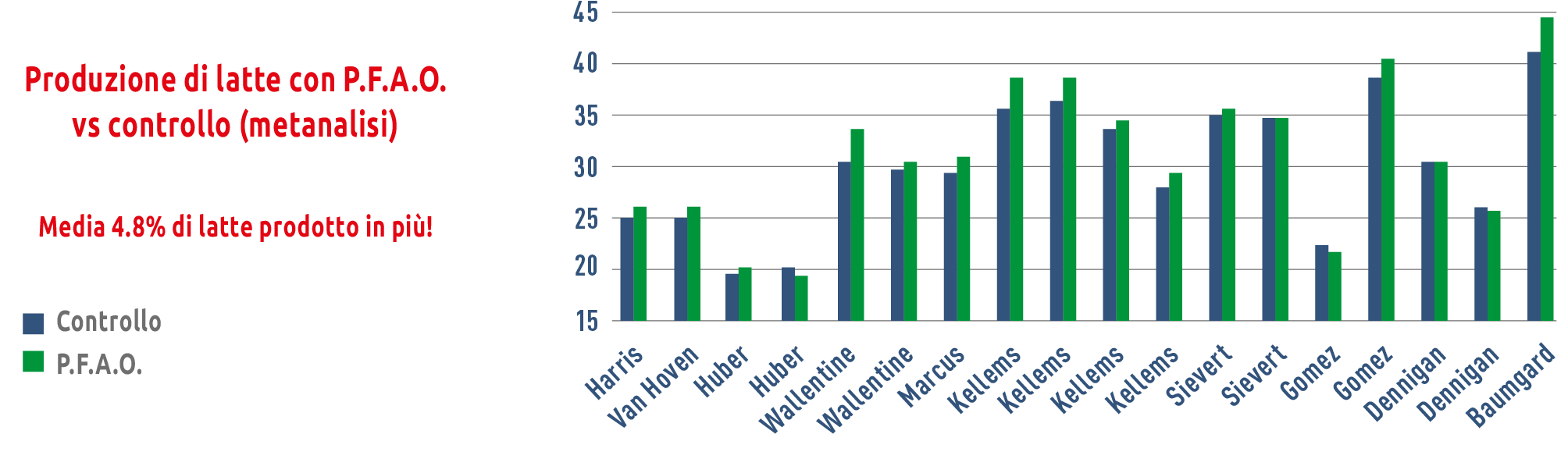
5. Average increase in milk production: +4.0% in early lactation (summary of 22 studies published in JDS) and +3.8% across all stages of lactation (summary of 33 studies published in JDS; to be confirmed by further studies).
6. Helps alleviate the effects of heat stress on the animal (greater dry matter intake): +4.0% milk yield during periods of heat stress (16 studies published in JDS).
7. Beef cattle: improved weight gain indices, +0.114 kg/day or +16% ADG (5 published studies).
8. Synergistic activity with a probiotic.
9. Early rumen development in calves.
10. Improvement of the transition phase.
Fumaric acid:
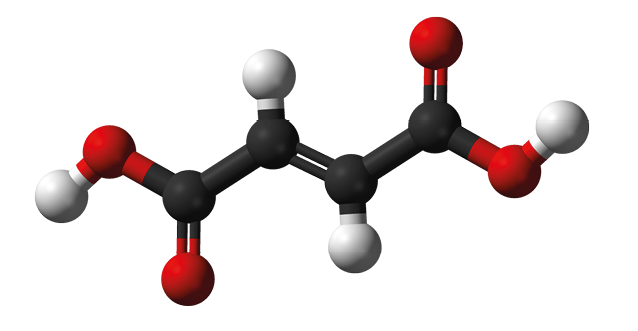 A dicarboxylic organic acid whose dietary supplementation (as with malic and succinic acids) stimulates the utilization of lactic acid by ruminal bacteria Megasphaera elsdenii and Selenomonas ruminantium, which play a key role in rumen pH control (Nisbet & Martin, 1993; Waldrip & Martin, 1993).
Cobalt:
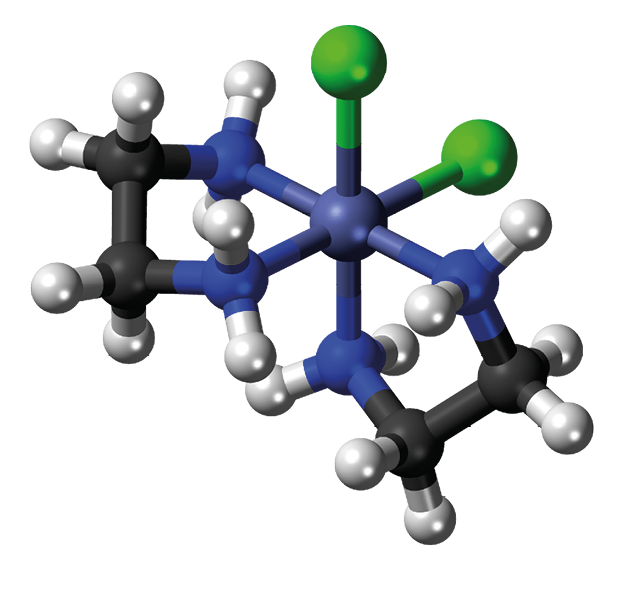 An essential mineral element whose primary function, when present in adequate amounts in the diet (sheep being more demanding than cattle), is to act as a precursor for vitamin B₁₂ (cobalamin) synthesis in the rumen.
Brewer’s yeast (lysates)
Autolyzed brewer’s yeast derived from Saccharomyces cerevisiae, resulting in the release of numerous metabolites such as amino acids, peptides, B-group vitamins, and minerals. It promotes the multiplication and activity of the ruminal digestive microflora.
Amino acid composition (after hydrolysis) per 100 g of yeast as fed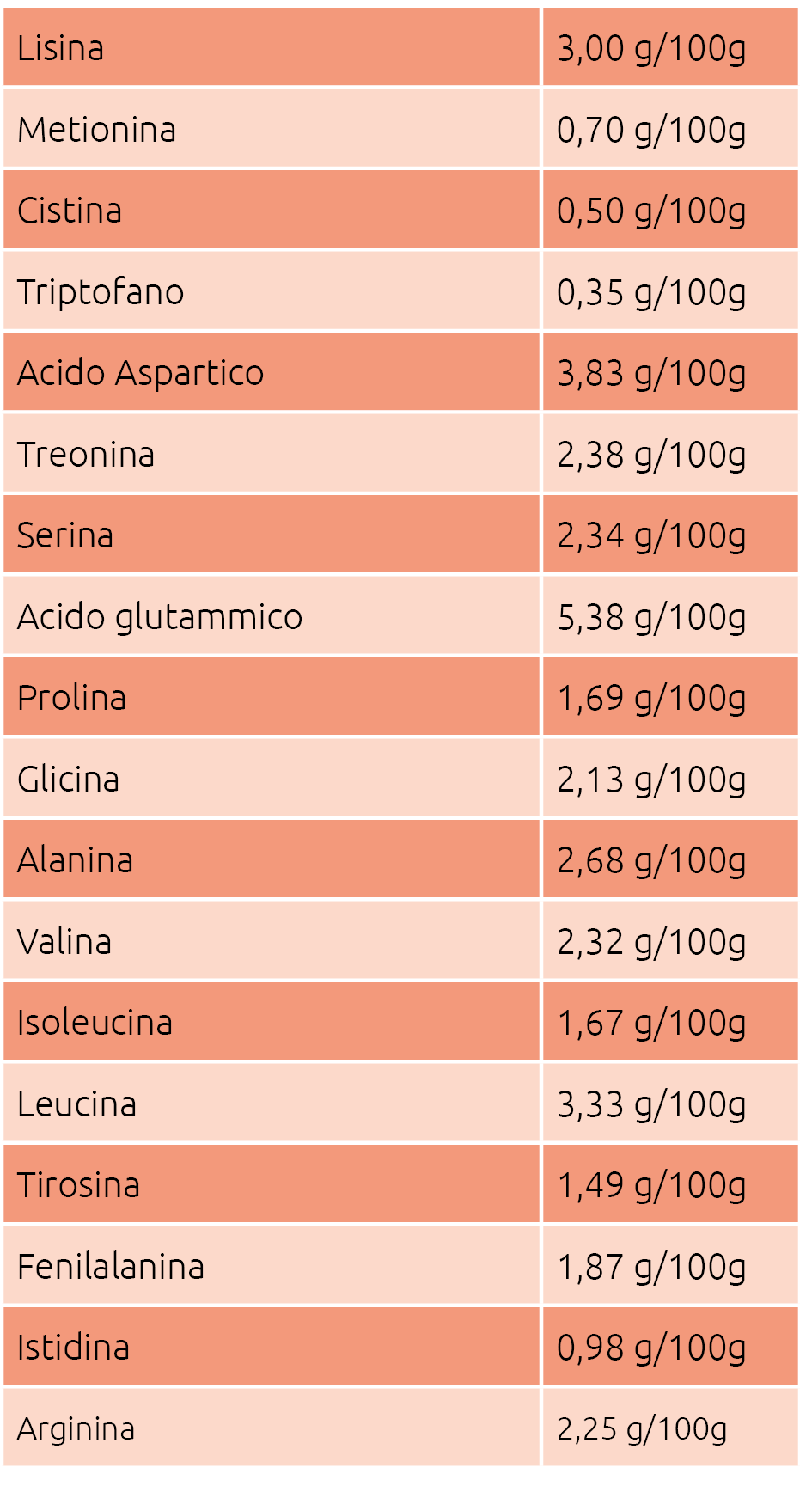
Clinoptilolite
A mineral of volcanic origin (aluminosilicates) whose physicochemical properties (microporous physical structure) allow it, at the gastrointestinal level, to absorb water, exchange cations, gradually bind and release ammonia, and sequester certain potentially toxic substances present in the diet.
Its inclusion in the ration slows intestinal transit, resulting in improved efficiency of nutrient utilization.
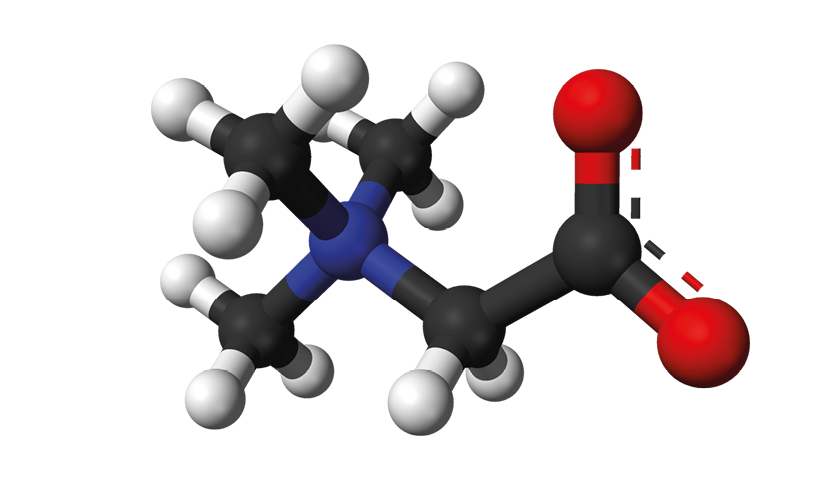
Betaine
Betaine, also known as trimethylglycine (TMG), is a chemical compound derived from the amino acid glycine and is present in many plants and microorganisms.
t was first isolated from sugar beets (Beta vulgaris).
It is typically produced as a by-product of sugar beet processing by treating residual molasses (anhydrous and monohydrate betaine). It can also be synthesized in the laboratory (betaine hydrochloride), although with structural characteristics and effects that differ from the natural compound.
Mechanisms of action (all animal species and humans)
– Methyl group donor.
– Cofactor in the synthesis of numerous substances, including:
– Reduction of homocysteine to L-methionine.
– Increased body levels of S-adenosyl-methionine and active folate molecules.
– Neurotransmitters: dopamine and serotonin.
– Biosynthesis of melatonin, creatine, and phosphatidylcholine.
– Intermediates of protein and energy metabolism.
– DNA methylation.
Osmolyte function: an osmolyte is a molecule that moves in and out of the cell in response to the need to preserve cell size and regulate osmotic exchanges, maintaining hydration status and increasing resistance to stress factors. Betaine helps maintain cellular turgor by preventing excessive water loss and subsequent cellular collapse, preserving cell integrity and functionality, and reducing the energy expenditure of ion pumps.
Benefits:
1. Increased efficiency of ruminal microbial fermentative processes; effective rumen modulator (ruminants).
2. Increased production of SCFA (short-chain fatty acids).
3. Supports optimal intestinal condition and integrity (hydration of intestinal cells, integrity of the intestinal barrier, and reduction of inflammatory phenomena).
4. Mitigates increases in body temperature, helping animals maintain feed intake and milk production.
5. Alleviates oxidative stress by inhibiting ROS accumulation.
NDF 150 SUMMER – for proper nutritional management
The summer evolution of New Digest Fiber 100, enhanced with ANHYDROUS BETAINE, which supports water balance to meet specific summer requirements.
– Efficient rumen
– Better-hydrated intestine = reduced stress
To stay up to date with all our latest news, follow us on Instagram or on Facebook.