Opportunities to improve calf intestinal health
How to enhance the intestinal microbiome
As discussed in the previous article, the intestinal health status of the calf depends on a condition of microbiota eubiosis. This condition can be supported through the use of specific nutritional aids.
Probiotics, for example, are beneficial bacteria present in certain foods or supplements that are able to reach the intestine alive and provide numerous benefits, first and foremost the restoration of intestinal microbiota balance, i.e. gut flora.
Prebiotics, on the other hand, are dietary substances that serve as nutrients for probiotic bacteria and ensure their growth in the intestine. They help normalize intestinal function and immune system activity. Among the compounds that can be used as prebiotics are inulin, fructo-oligosaccharides (FOS), and galacto-oligosaccharides.
Mechanisms of action of probiotics
• Production of short-chain fatty acids (SCFA), reduction of intestinal pH, creation of a favorable environment for beneficial bacteria, and inhibition of pathogenic bacterial growth.
• Competitive binding to intestinal adhesion sites by certain probiotics, which may hinder the growth of pathogenic bacteria.
• Improvement in the stability of intercellular tight junction (TJ) proteins, reducing intercellular permeability to pathogens and other antigens.
• Regulation of the host’s innate and adaptive immune response, as well as stimulation of B cells to increase IgA secretion, thereby improving humoral immune response and inducing an anti-inflammatory effect.
• Reduction in the risk of antibiotic-associated diarrhea by promoting fluid absorption through Na⁺ and H⁺ exchange in epithelial cells.
Scientific evidence
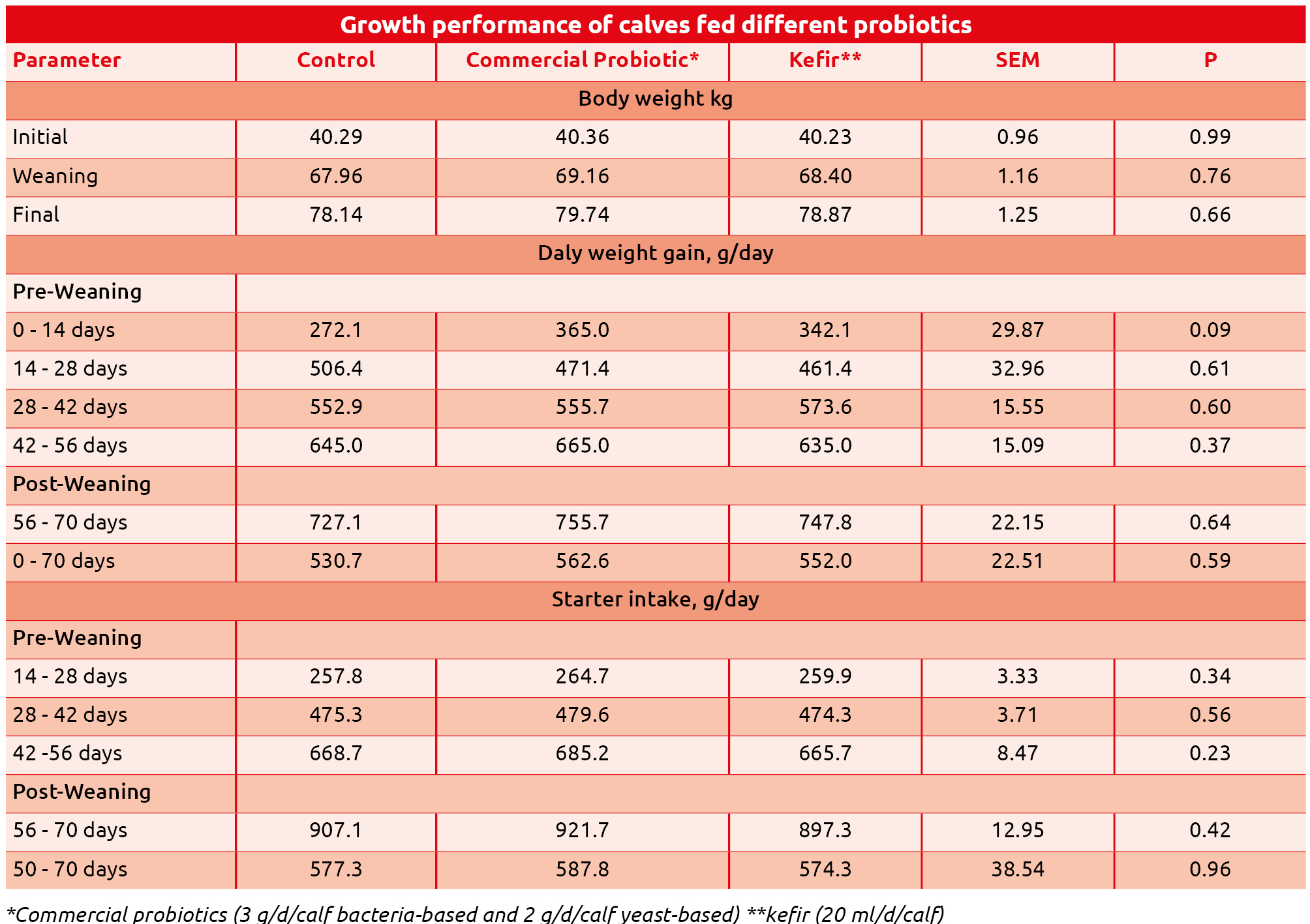
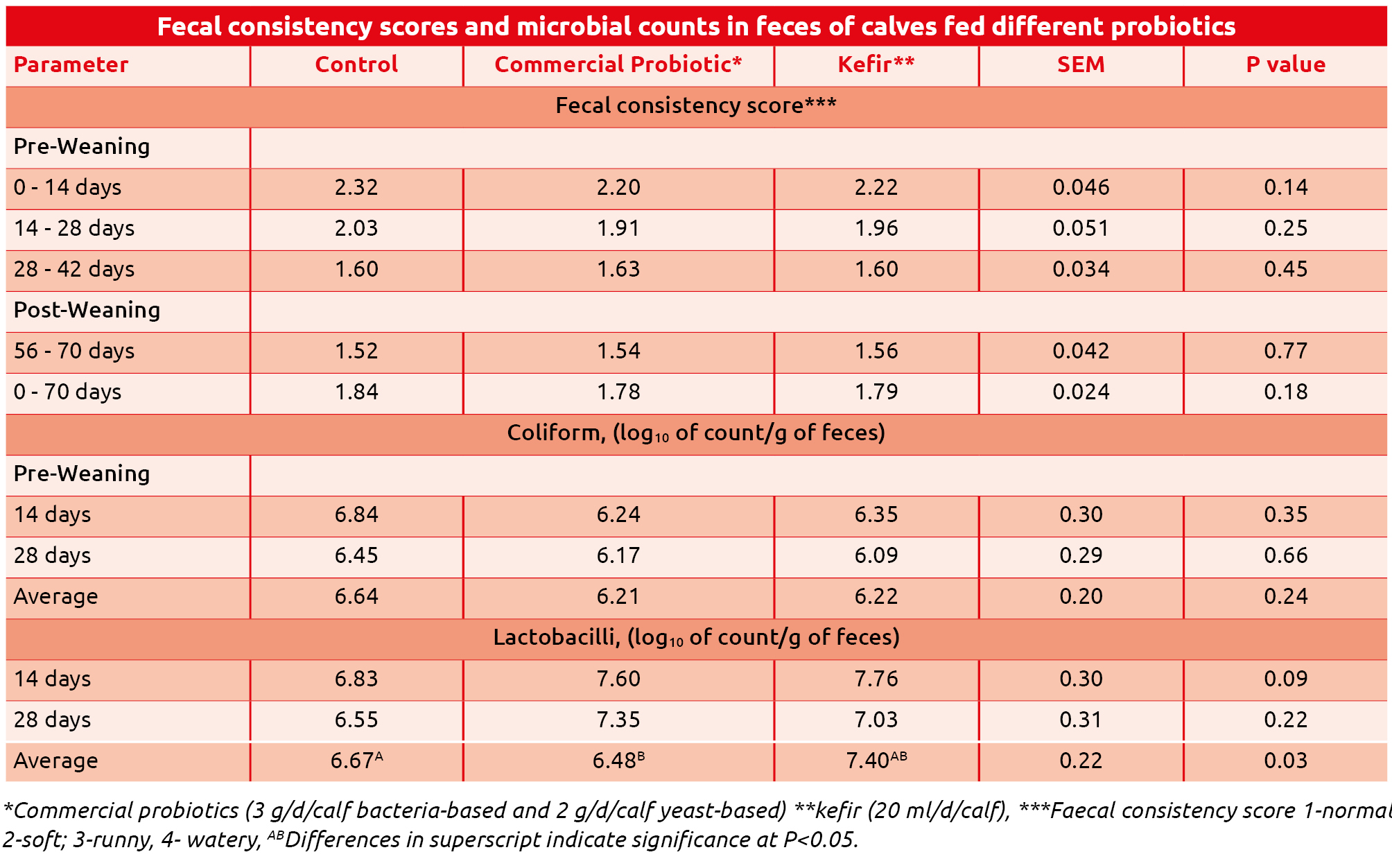
A trial was conducted on calves fed whole milk and ad libitum starter feed from day 14 of age. A group supplemented with lactobacilli and live yeast and a group treated with kefir were compared with a control group.
The results show that, especially during the early phase, calves benefited from probiotic supplementation in terms of growth performance. A particularly significant finding was the reduction of potentially pathogenic bacteria such as coliforms compared with lactic acid bacteria.
For calf intestinal health, experts recommend
MIX FERMENT
Complementary liquid feed for cattle, buffaloes, sheep, goats, rabbits, pigs, and poultry.
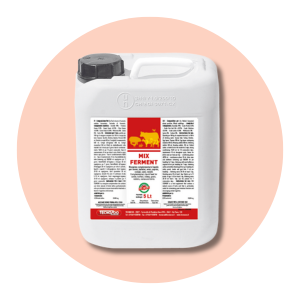
- Supports proper intestinal function in calves and promotes milk digestion.
- Contains fermented malted wheat.
- With lactic acid.
GARDIAN 40
Complementary feed for calves.
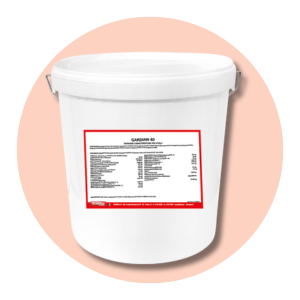
- Promotes the colonisation of beneficial microbiota through the prebiotic and probiotic action of its components;
- Vitamin–mineral supplementation in synergy with natural antioxidants supports the condition of the intestinal mucosa.
- Butyrate stimulates the development of intestinal villi.
- Colostrum inclusion, in addition to its local antibody action, influences immunity and animal performance.
What does colostrum do?
• Provides antibodies to ensure immunity in the calf.
• Supplies nutrients
• Provides non-nutritional factors for intestinal mucosa development;
• Supplies colostral growth factors such as IGF-1 and hormones such as insulin
• Poor management of colostrum feeding in neonatal calves is one of the main risk factors for the onset of neonatal calf diarrhea.
Feeding calves with highly contaminated colostrum (bacterial> load 105 CFU/ml, coliforms >104 CFU/ml) and of low quality (IgG< 50 mg/ml), insufficient supervision of calves born at night, and direct suckling under the dam are among the main risk factors currently contributing to poor neonatal calf health.
Administration of colostrum within 1 hour after birth facilitates bacterial colonization of the small intestine, which can already be detected within the first 12 hours after birth. In colostrum-deprived calves, a significantly lower bacterial count has been observed.
It has been shown that heat-treated colostrum (low bacterial load), administered immediately after birth, influences bacterial composition by promoting colonization with Bifidobacterium and reducing colonization with E. coli. These microorganisms act through specific receptors in the intestinal mucosa of the newborn to stimulate cell proliferation and differentiation, as well as protein synthesis.
Conclusions – Calf intestinal health
A diverse microbial population colonizes the sterile gastrointestinal tract of mammals during and after birth. There is increasing evidence that this complex microbiome plays a crucial role in the development of mucosal immune systems and influences neonatal health.
Microbial colonization is a complex process influenced by bidirectional host–microbe interactions and by a variety of external factors, including maternal microbiota, the birth process, colostrum management, diet, and antibiotic treatments.
Following this initial colonization, continuous exposure to host-specific microbes is essential for the development and maturation of the mucosal immune system, as well as for nutrition and overall animal performance.
Understanding host–microbe interactions, dietary interventions, and the role of the intestinal microbiota during pathogenesis at the site of infection in the first days of life is essential for designing effective tools and strategies to improve calf intestinal health.
Experts recommend
COLOSTRUM TOP
Complementary feed for calves from 0 to 6 months of age, buffalo calves, lambs, and kids.
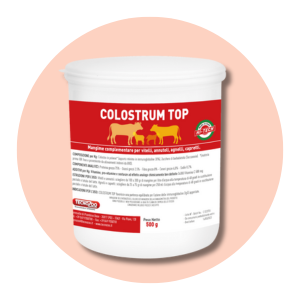
- High immunoglobulin content.
- IBR-free and sourced from BVD-free herds.
To stay updated on topics related to calf intestinal health and other news, follow us on Instagram or on Facebook.