Oxidative stress and the resulting inflammatory cascade
A combination that should not be underestimated and must be properly managed
Editorial published in Ex-Dairy Press, 2023
Oxidative processes are fundamental to life. However, organisms with high metabolic activity—such as high-producing dairy cows—are exposed to a risk of oxidative stress, particularly during specific physiological or seasonal phases (such as around calving, during heat stress conditions, or in the presence of mastitis or flu-like conditions). These situations must be prevented and managed in order to avoid their dysregulated progression, which leads to inflammatory conditions.
How can we intervene? Once again, the answer comes from nature, which offers some of the most effective tools to rebalance suboptimal oxidative and inflammatory conditions. This is achieved by exploiting the effects of polyphenols and salicylates which, when properly selected and included at appropriate levels, have been used in the formulation of Normoterm.
What do studies report regarding the effects of polyphenols and salicylates?
Numerous studies on natural phytocompounds such as polyphenols and salicylates have clearly demonstrated their effectiveness in animal metabolism. These compounds act as antioxidants—thereby preventing cellular damage caused by lipid peroxidation of the cell membrane—and help attenuate inflammatory conditions.
Polyphenols
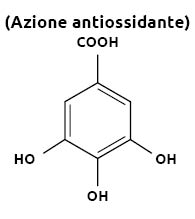
One of the major sources of polyphenols is lignin derived from Pinus taeda.
Lignin is a complex polymeric structure composed of phenylpropanoid units. Three monomers are present in varying proportions in all lignins: coniferyl alcohol, p-coumaryl alcohol, and sinapyl alcohol.
The combination of these monomers forms a class of phenolic compounds commonly known as lignans. In plants, lignans play a defensive role against pathogens (fungi, bacteria, and viruses) and provide antioxidant protection to sensitive plant tissues (young branches, leaves, buds, fruits) against solar radiation.
When introduced into the mammalian diet, lignans are modified by intestinal bacteria, absorbed, and then subjected to enterohepatic circulation.
Mechanism of action
A polyphenol concentrate derived from an extraction process and partial hydrolysis of cellulose from Pinus taeda wood, when included in animal diets, is responsible for the following actions:
1. Free radical scavenging
2. Antibacterial activity
3. Antiviral activity
4. Antimycotoxin activity
5. Antidiarrhoeal activity
Salicylates
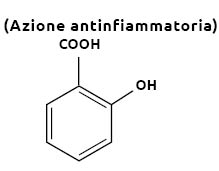
Salicylic acid—the active compound of aspirin in its acetylated form—was first extracted from the bark of the weeping willow.
This substance, produced by plants as a defense mechanism against chemical, physical, and biological stressors, acts as an anti-inflammatory agent. It is useful in various febrile conditions as an antipyretic and as a mild analgesic.
Mechanism of action
1. Reduction of prostaglandins (PG) through cyclooxygenase inhibition
2.Antioxidant effect via haptoglobin
3. Reduction of body temperature through action on thermoregulatory neurons
Zootechnical effects derived from the use of Normoterm Orac
Normoterm is used in all situations where there is a need to counteract the risk of oxidative stress and the associated inflammatory cascade. Such conditions occur during infectious diseases such as mastitis, metritis, or flu-like syndromes, as well as during periods of potentially severe oxidative stress, such as the post-calving period or during summer heat stress.
In these latter cases, the positive effects of the polyphenols and salicylates contained in Normoterm are not limited to a clear improvement in the animals’ overall condition, but also include a significant positive impact on fertility. These compounds help preserve the integrity of oocytes and embryos from the negative consequences of oxidative and inflammatory processes.
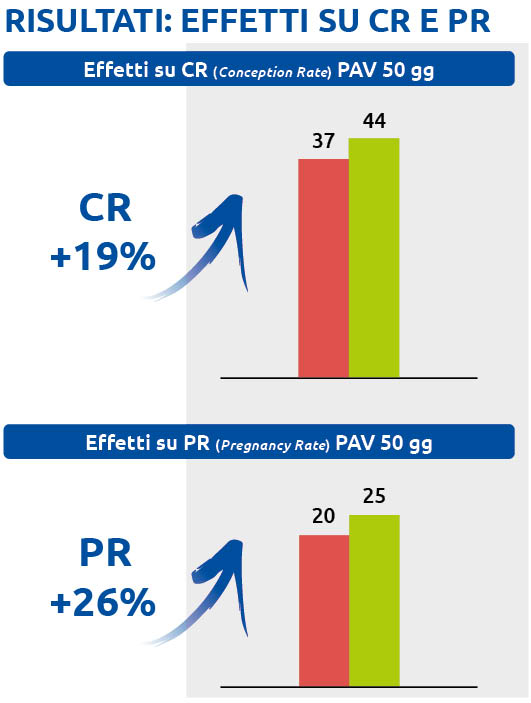
In this regard, we report an interesting trial conducted using Normoterm in fresh cows during the first 30 days after calving. Monitoring the productive and physiological performance of these animals showed a significant positive effect of Normoterm supplementation, both in terms of oxidative status (measured as TAS) and overall condition, as well as a clear improvement in reproductive performance, including conception rate (CR) and pregnancy rate (PR).
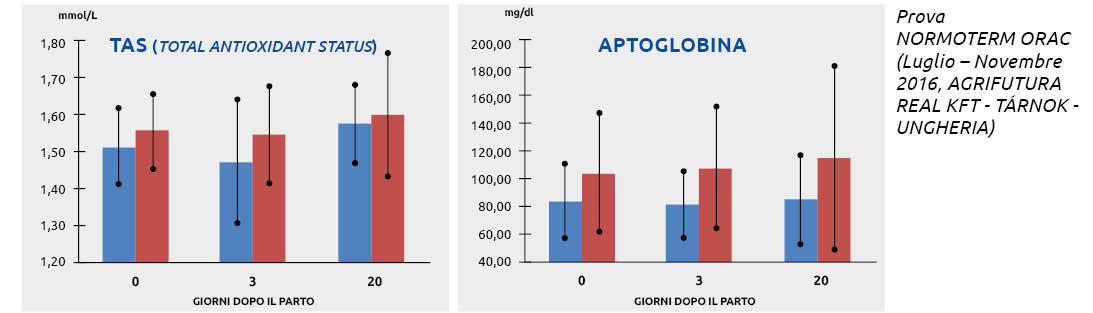
Tecnozoo trial on the use of Normoterm Orac*
Where: Agrifutura REAL KFT farm – Tárnok, Hungary Herd size: 600 dairy cows (500 in milk) and 650 heifers
Objective: To evaluate the effects of administering a product containing active compounds with antioxidant action at calving and during the first 30 days of lactation in Holstein cows.
How
• 300 g/cow within the first 12 hours after calving, administered via drench.
• 50 g/cow/day during the first 30 days after calving, mixed into the TMR
When: July – November 2016
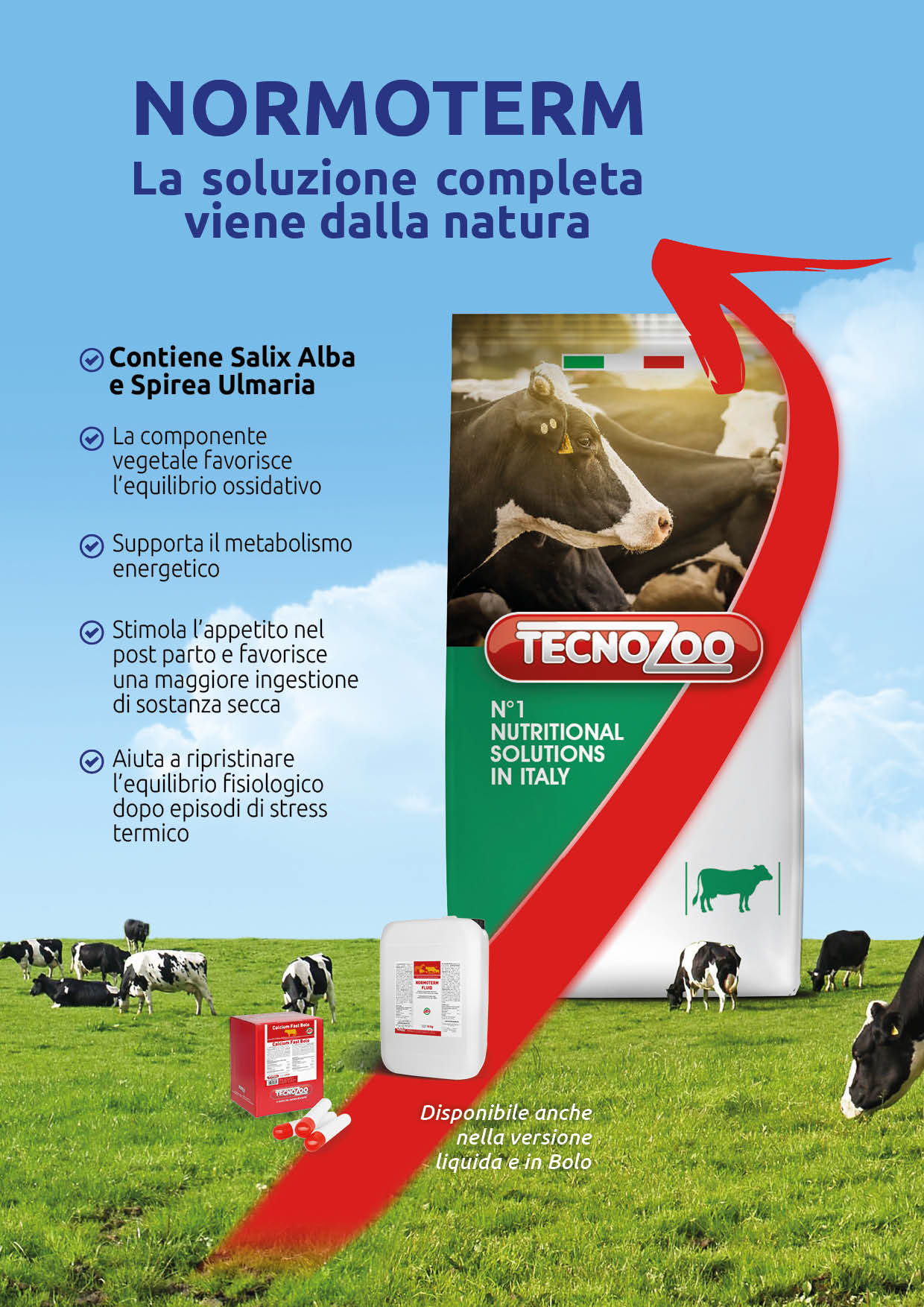
Discover the Normoterm line
To stay up to date with all our latest news, follow us on Instagram or on Facebook.