Probiotics and plant extracts
An important contribution from nature
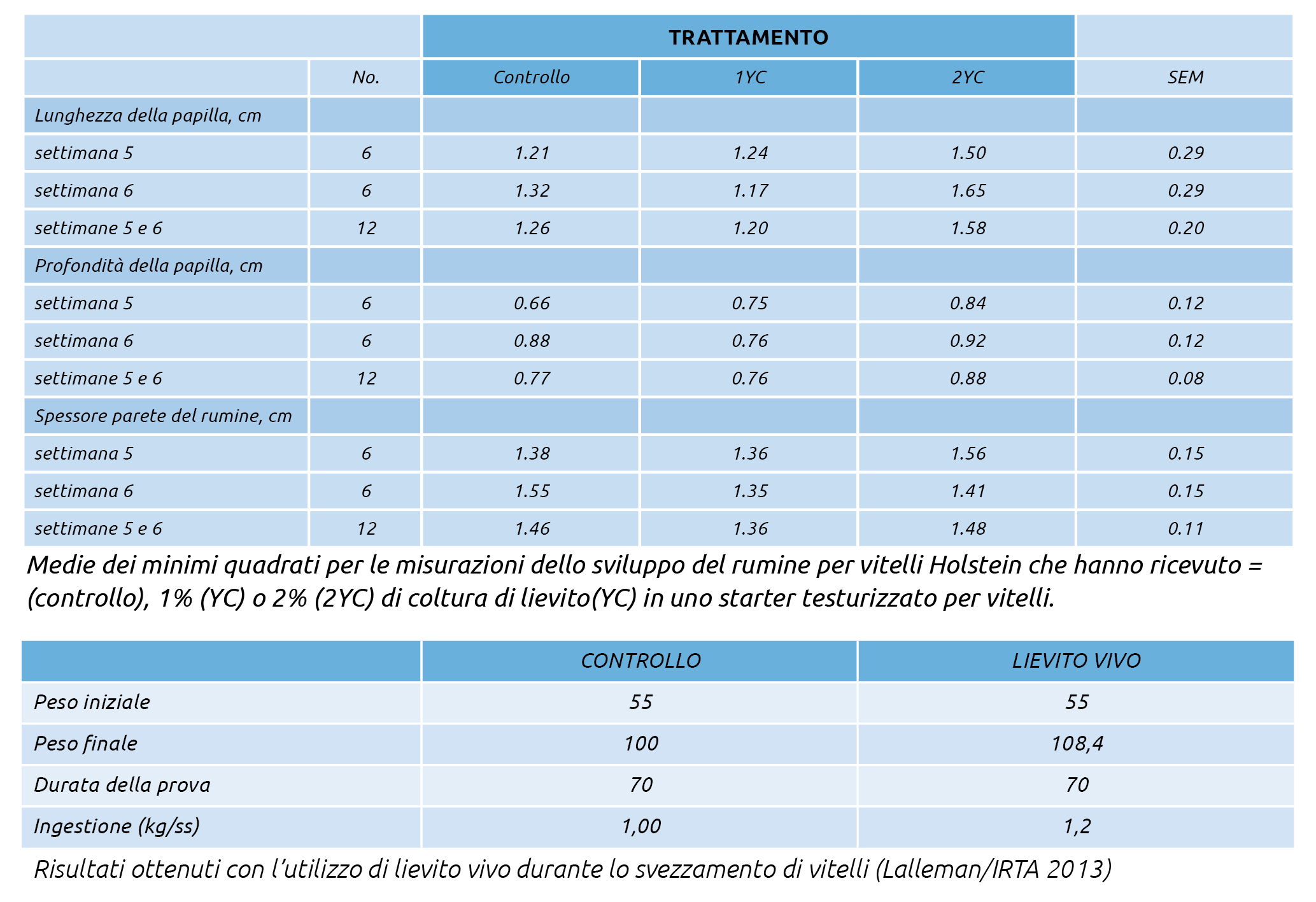
Probiotics, understood as microorganisms or their derivatives, have shown an interesting role in stimulating rumen development. Yeast cells, for example, contain RNA and free nucleotides, amino acids, B-group vitamins, and numerous enzymes. These enzymes contribute to the breakdown and utilization of sugars, facilitate glucose absorption, participate in coenzyme formation processes, and support the activity of ruminal and intestinal microflora, resulting in noticeable improvements in rumen pH, feed intake, and digestive efficiency.
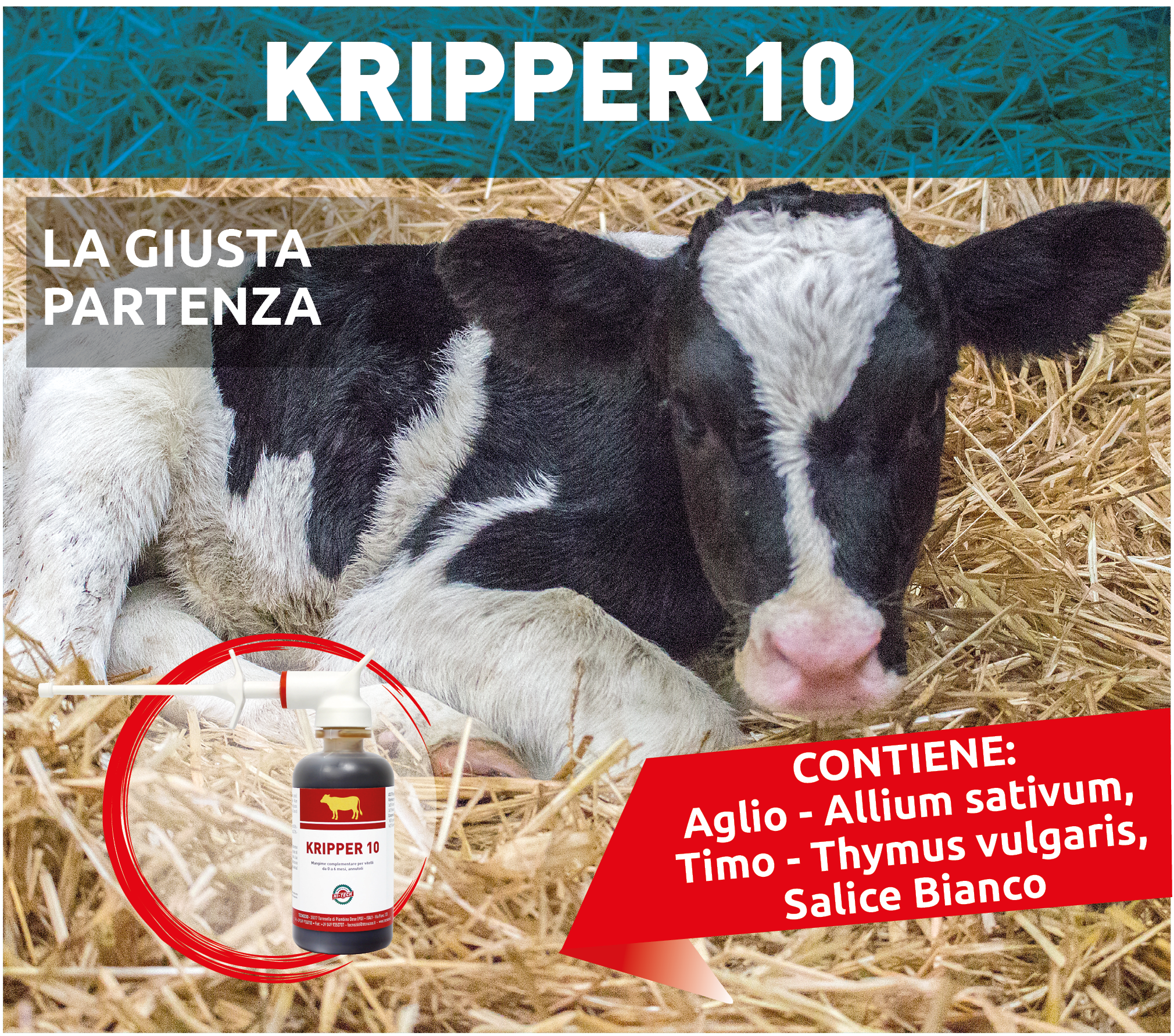
In recent years, many studies have focused on evaluating certain plant extracts as natural alternatives to the use of antibiotics or synthetic compounds. It is now well established that some plant essences are able to influence ruminal microflora and, consequently, fermentation patterns. Positive results have been observed, for example, with the use of Aloe barbadensis, flavonoids from mulberry leaves, cumin, and garlic. Essential oils of thyme and cinnamon have been shown to stimulate the production of propionate and butyrate at the expense of acetate (Vakili et al., JDS 2013). Even when compared with monensin, this combination has produced significant results (C.E. Chapman, JDS 2016).
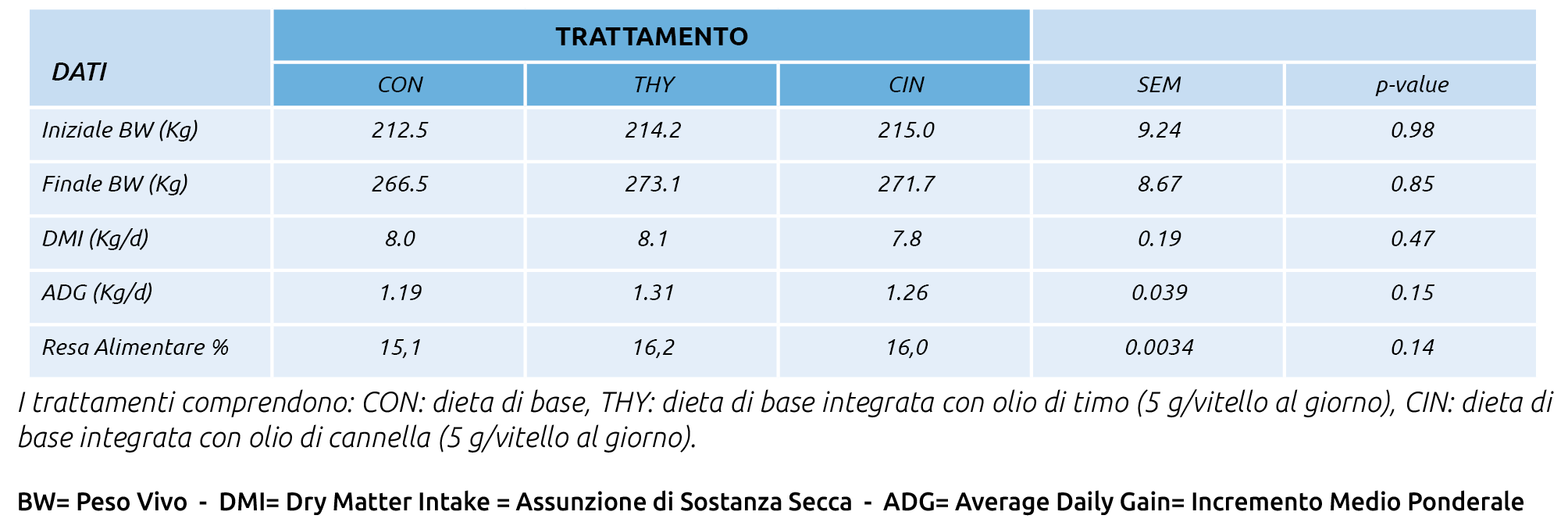
Other molecules of interest due to their functional role are organic acids. Malic acid has a stimulatory effect on the ruminal bacterium Selenomonas ruminantium, which utilizes lactic acid and converts it into propionic acid, with positive effects on rumen pH, particularly after concentrate feeding. It reduces protozoal populations and consequently decreases methane production, improving the metabolic utilization of carbon that would otherwise be lost. Other studies have shown that supplementation with malic acid increases fiber digestibility (Sniffen et al., 2006), ruminal propionate concentration (Gomez et al., 2005), and butyrate production (Gomez et al., 2005).
The positive role of butyric acid in rumen papillae development is well documented in the scientific literature. The mechanisms through which butyrate acts include acceleration of cellular proliferation, inhibition of apoptosis in papillary cells, and stimulation of the expression of genes involved in the absorption and metabolism of volatile fatty acids (VFA) by the ruminal epithelium.

Conclusions:
Rumen development in calves can directly influence feed intake, nutrient digestibility, and final growth performance. Any change in early feeding strategies and nutrition can affect rumen development and, consequently, lead to long-term effects on growth, overall performance, and subsequent milk production. For this reason, particular attention must be paid to weaning strategies, the characteristics of the starter feed, and its method of administration.