FORMIK STOP: THE 3-IN-1 COMPLEMENTARY FEED
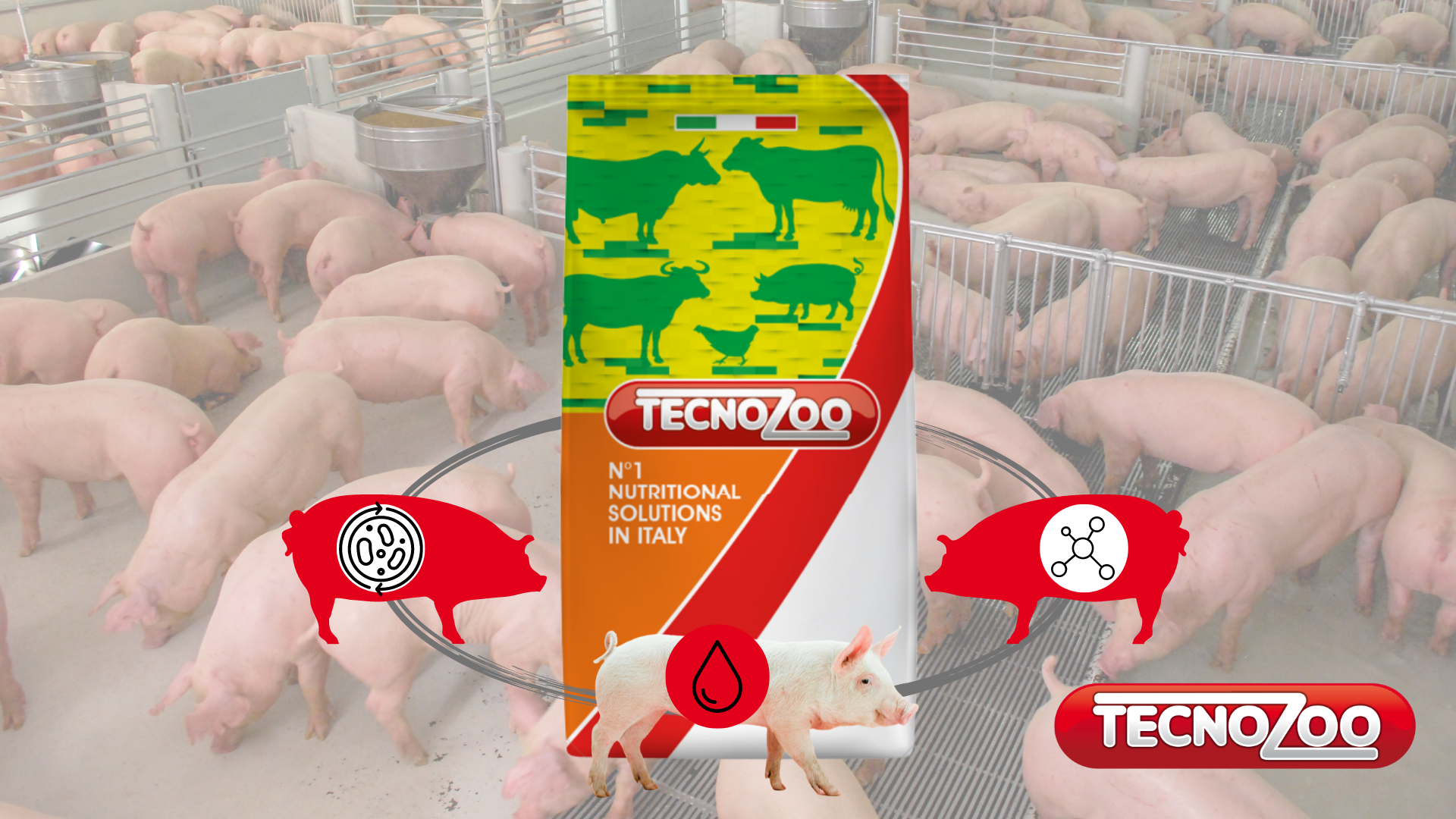
FORMIK STOP, powdered complementary feed to be added to the ration, with acidifying components, prebiotic action, and high concentrations of adsorbent substances.
With today’s article, we will explore the acidifying properties of FORMIK STOP and focus on the action of its blend of short-chain fatty acids adsorbed onto specific carriers that allow the gradual release of acidic molecules along the entire gastrointestinal tract.
Acidification is a practice that is now well established in pig production and is useful in several respects.
The main reason for acidifying the pig diet is to optimize the activity of the enzyme pepsin, the enzyme responsible for protein degradation to promote their utilization.
Improving the utilization of dietary protein not only enhances performance, but also reduces nitrogen losses in the feces, resulting in a lower environmental impact and greater economic return.
GASTRIC ACIDITY IN SUCKLING PIGLETS AND WEANED PIGS
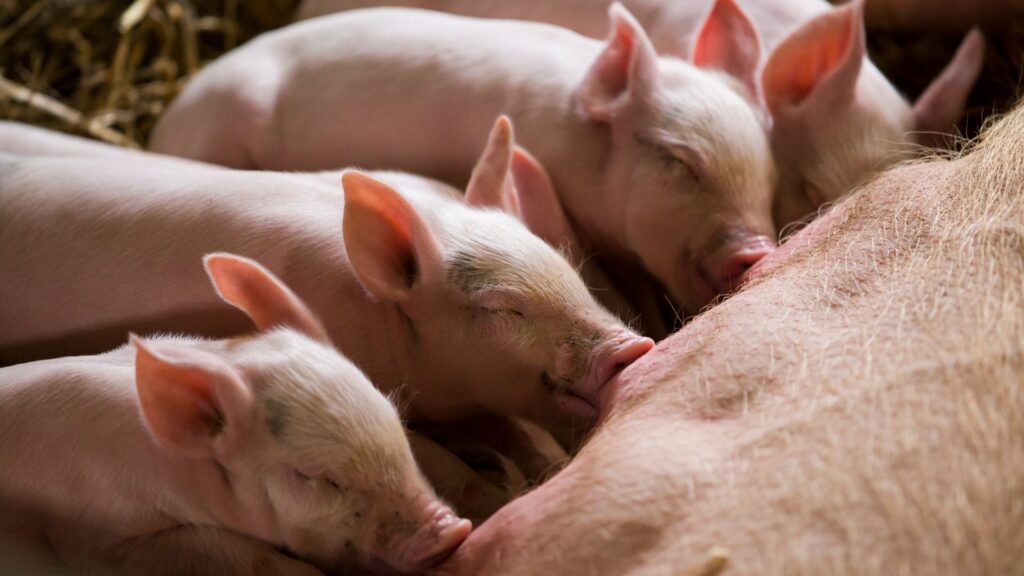
In suckling piglets, gastric acid secretion is insufficient to guarantee optimal pepsin activity, and lactic fermentation carried out by lactic acid bacteria represents the main pathway of acid production. This occurs not only because the piglet has not yet developed full hydrochloric acid production capacity, but also because lactic acid produced by bacterial fermentation inhibits hydrochloric acid secretion. Likewise, the intake of solid feed reduces lactic acid levels in the stomach and instead stimulates hydrochloric acid production.
It is also true, however, that while in suckling piglets a pH of about 4 is sufficient to coagulate milk caseins and achieve a maximum digestibility of this protein of 98%, in weaned pigs fed vegetable protein sources or fish-derived proteins, maximum pepsin activity requires a pH of about 2–3.5, which can only be achieved through dietary supplementation with organic acids.
At weaning, insufficient acid secretion—no longer supported by lactose fermentation because milk is removed from the diet—combined with the consumption of large and infrequent meals can lead to an increase in gastric pH and compromise protein digestion. Studies show that supplying organic acids during this period greatly helps to rapidly lower gastric pH, thus promoting proper protein digestion and facilitating the transition from milk to weaning feed.
Preventing an increase in stomach pH after weaning means avoiding poor feed digestion, which would otherwise be fermented in the intestine with the risk of causing diarrhea, in addition to the loss of the stomach’s acid barrier that prevents the entry of pathogens that could otherwise survive and more easily colonize the digestive tract.
DIETARY ACIDIFICATION AND INTESTINAL MICROBIOTA
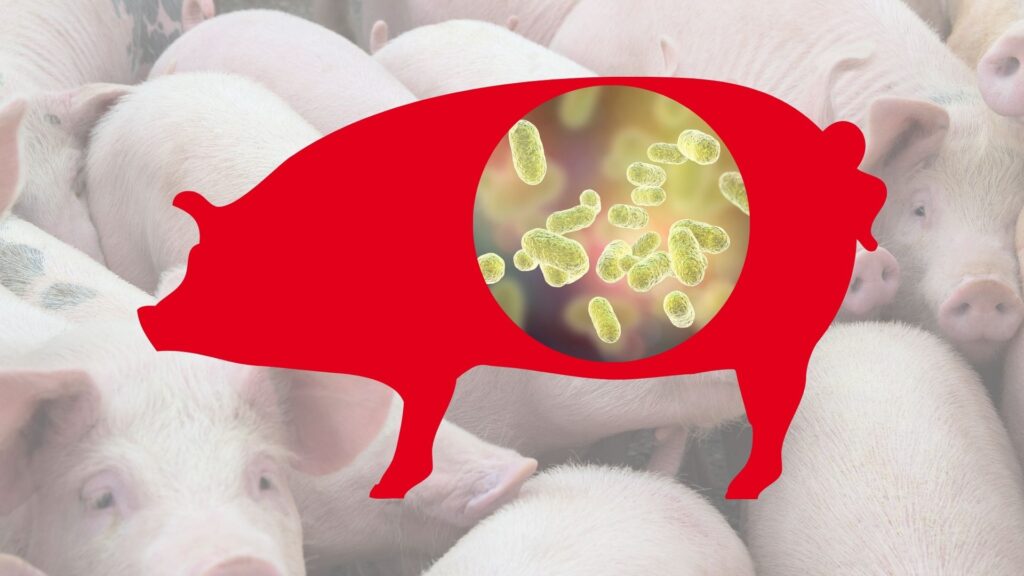
Providing acids carried by specific carriers also means promoting their release at intestinal level, where they play an important role in modulating the intestinal microflora, known as the microbiota.
The term microbiota refers to the set of microbial communities that colonize the intestine: a population composed of different species of bacteria, yeasts, protozoa, and other microorganisms.
A true world invisible to the naked eye, on which—together with the integrity of the intestinal barrier and its functions—the animal’s performance depends.
The key to intestinal health is the state of perfect balance established among the different microbial populations, known as “eubiosis”.
A microbiota in a state of eubiosis produces substances with an important metabolic role, protects the mucosa from attack by potential pathogens, and stimulates the immune system.
The action of organic acids at intestinal level occurs through modulation of the intestinal microflora via a bacteriostatic–bactericidal mechanism against bacterial populations sensitive to their action.
Non-ionized organic acids can penetrate bacterial cells and disrupt normal bacterial physiology, eventually causing death through energy deprivation as bacteria attempt to restore electrochemical balance. Bacteria such as coliforms, Salmonella spp., Listeria spp., Clostridium spp., etc., are highly sensitive to this mechanism of action, as they are unable to replicate or survive significant pH variations—unlike bacteria such as Lactobacillus spp. and Bifidobacterium spp. It is well known that the transition from a milk-based diet to solid feed during weaning, if not accompanied by a decrease in pH, favors the proliferation of coliforms with a drastic reduction of Lactobacillus spp., leading to the onset of possible gastrointestinal disorders.
Promoting proper acidification of the gastrointestinal tract therefore helps maintain a state of eubiosis, inducing changes in the intestinal environment that favor the proliferation of acidophilic populations and preventing intestinal colonization by potential pathogenic species or the establishment of dysbiosis states that can cause digestive disorders and reduced performance.
This is an essential concept to keep in mind during weaning, but not only then. There is growing evidence that dietary acidification may also be beneficial for finishing pigs.
ACIDIFICATION AND PERFORMANCE
Proper acidification of the diet, by reducing its buffering capacity, promotes digestion, allows maintenance of a balanced microbiota, enhances mineral absorption, and improves animal performance.
FORMIK STOP is a product containing a blend of organic acids designed to enhance the properties of individual organic acids, both alone and in combination.
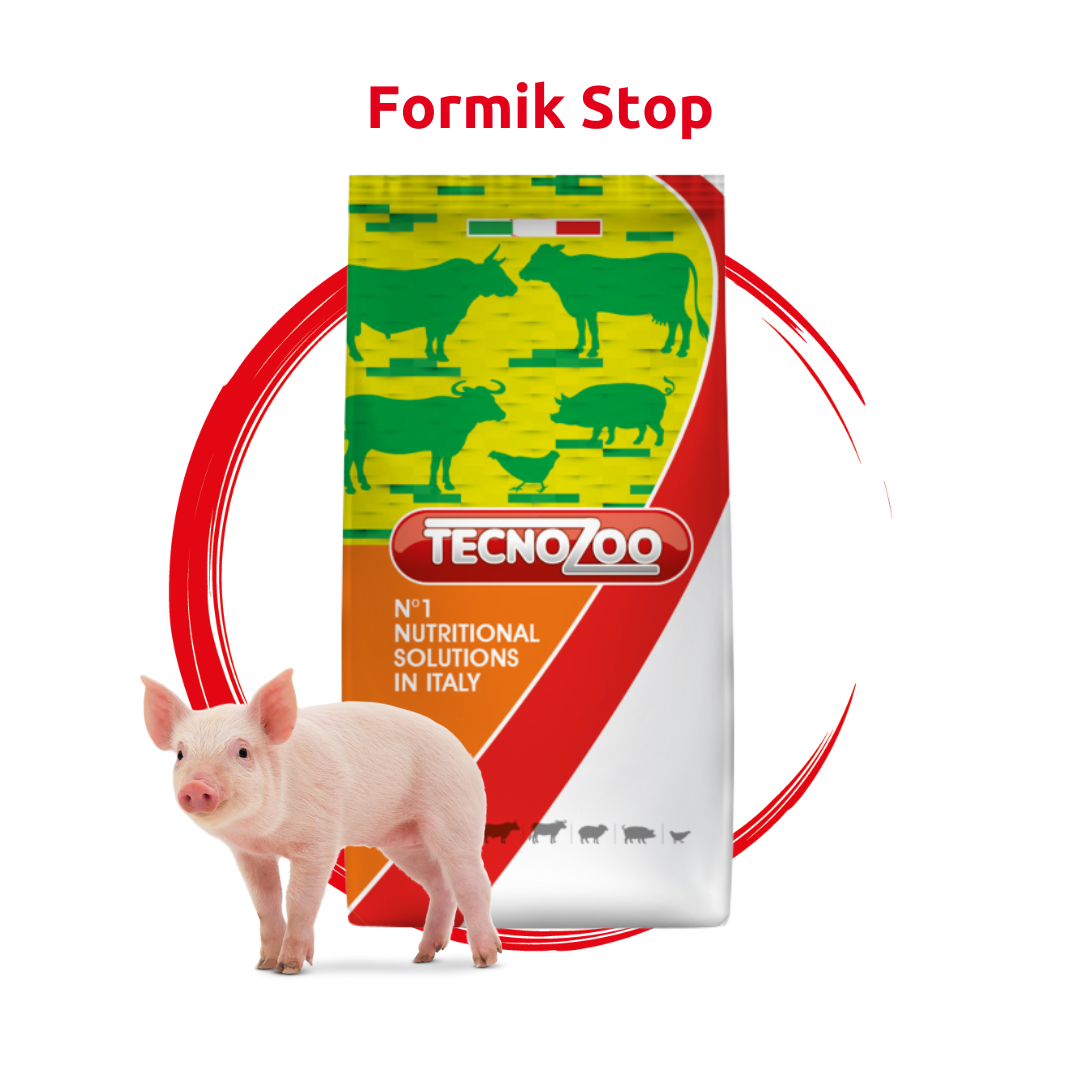
FORMIK STOP should be thoroughly mixed into the complete feed at a rate of 2–5 kg per 1,000 kg of feed.
To learn more about FORMIK STOP, contact us – https://tecnozoo.it/contatti-aziendali-mail-telefono-tecnozoo/
With today’s article, we will explore the acidifying properties of FORMIK STOP and focus on the action of its blend of short-chain fatty acids adsorbed onto specific carriers that allow the gradual release of acidic molecules along the entire gastrointestinal tract.