Reduction of antibiotics in livestock farming: where are we now?
The global livestock sector has made major efforts toward reducing antibiotic use, but regional approaches differ, even among countries operating under the same general framework. A closer look at two EU Member States shows that countries are moving at different speeds and that the road to success can be uneven.
Antibiotic reduction: a global commitment
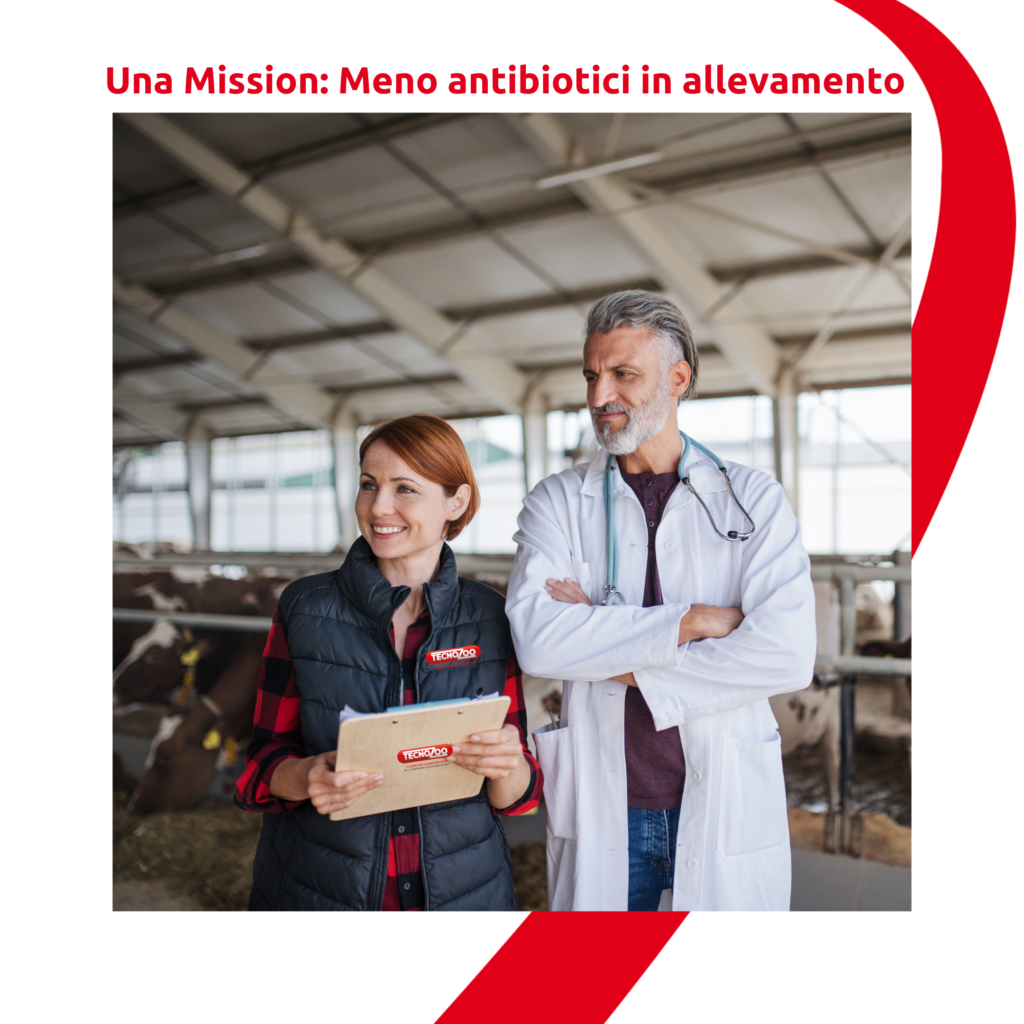
Countries around the world have committed to reducing the use of antibiotics, and the European Union is no exception. The European Commission’s One Health Action Plan Against Antimicrobial Resistance marked a major step toward achieving the EU’s goal of mitigating antimicrobial resistance across all Member States. Ten years after its publication, however, reality shows that different Member States have followed drastically different trajectories toward achieving this goal. A closer look at the Netherlands and Spain highlights the importance of close collaboration between governments and industry.
Discover Tecnozoo’s mission on this topic
The Dutch strategy for reducing antibiotics
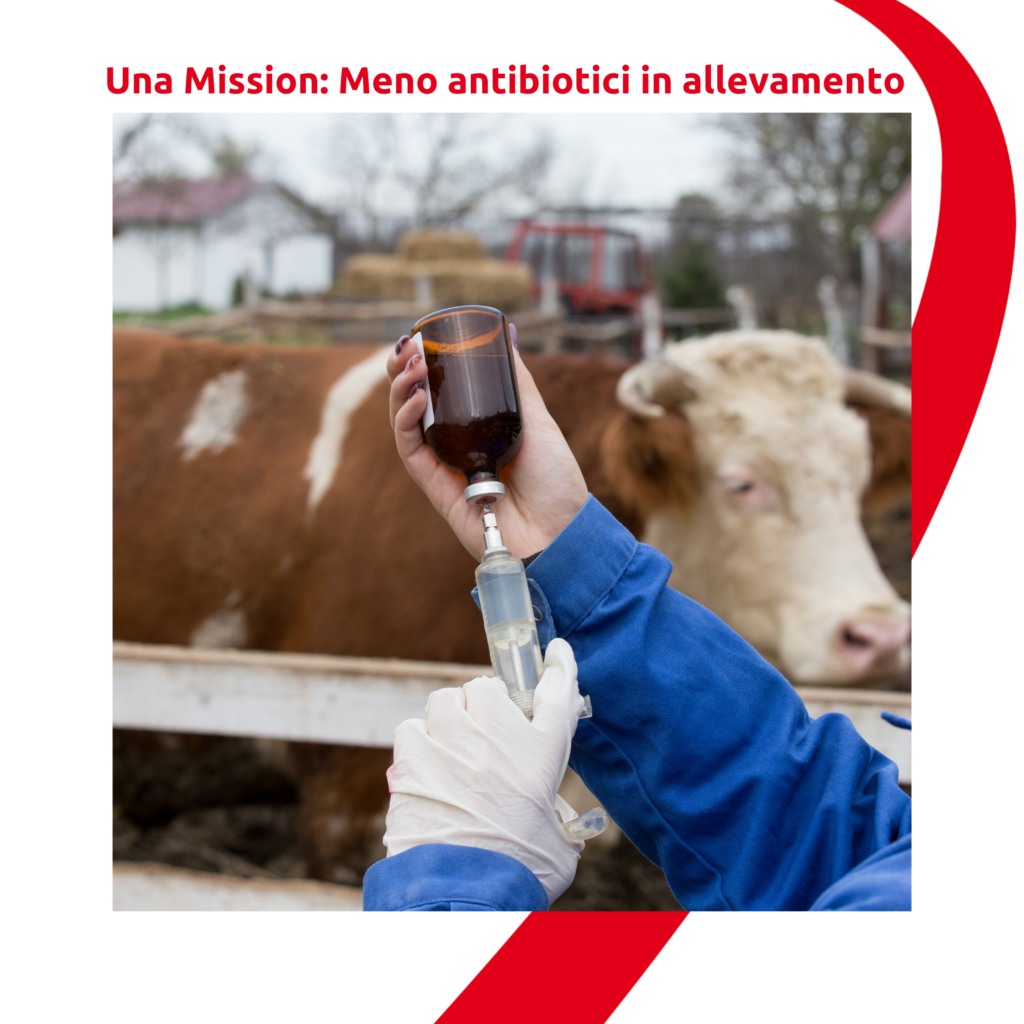
The trend in sales of veterinary antimicrobial agents shows a clear downward path in the Netherlands (Figure 1). In the Netherlands, the National Institute for Public Health and the Environment (RIVM) and the Netherlands Food and Consumer Product Safety Authority (NVWA) are responsible for combating antimicrobial resistance.
Guidelines on antibiotic reduction are strict
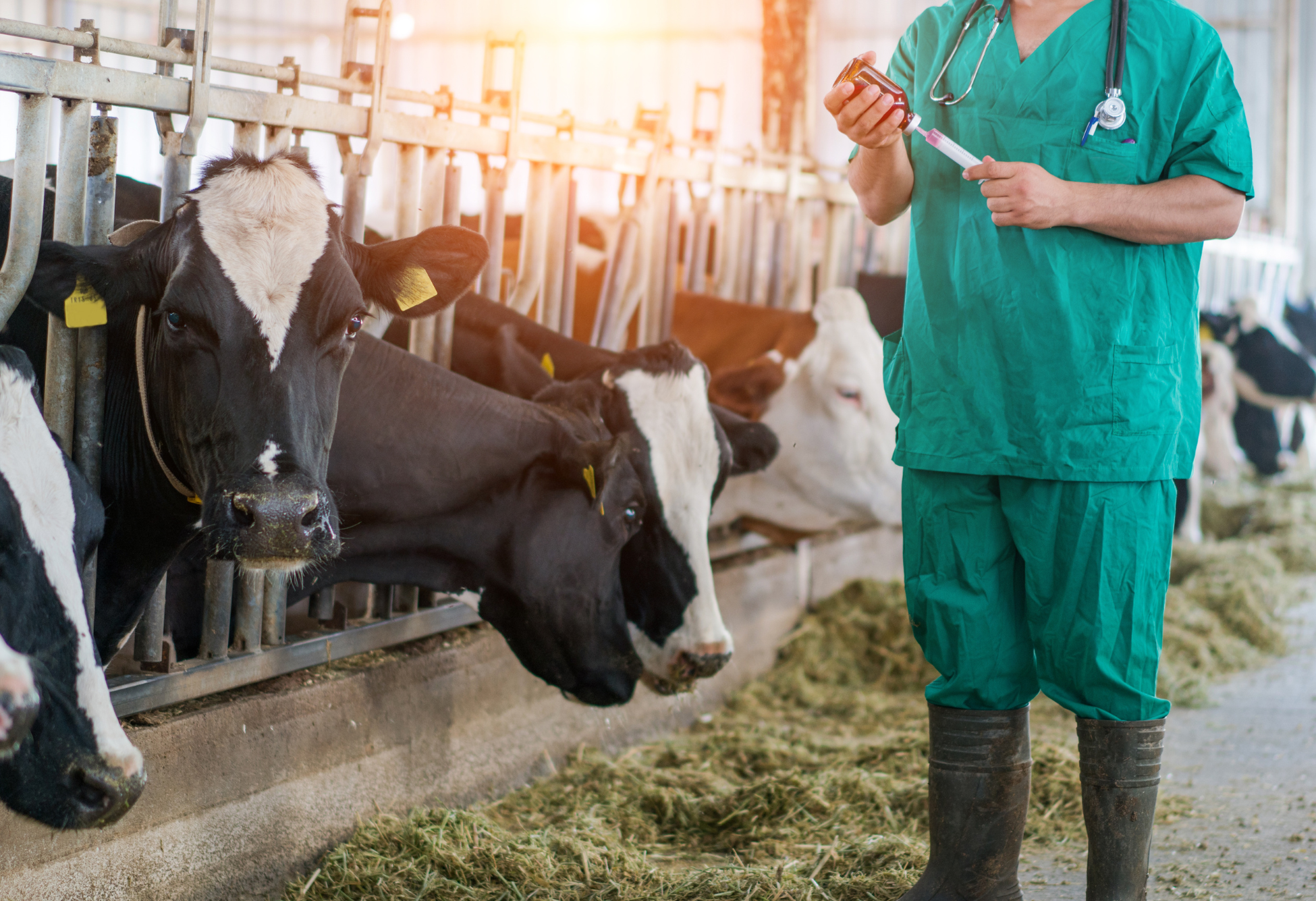
Only veterinarians are allowed to prescribe and administer antibiotics to sick animals, and they may do so only after inspecting the premises.
Farmers may administer antibiotics prescribed by veterinarians themselves only under very strict rules.
In addition, poultry, dairy, veal, and pig farmers are required to record antibiotic use on their farms.
Antibiotics that are used as a last resort in human medicine may not be used in animals (except under very strict conditions).
The veterinarian and the farmer must draw up a so-called “health plan” for their farm, which includes measures to promote animal health, and this plan must be evaluated annually.
The NVWA supervises the registration of antibiotic use and monitors its application in the livestock sector.
The Netherlands: 63% reduction in antibiotic use on farms
In addition to government action, the Netherlands has a long tradition of quality control systems within the industry itself, promoting best practices at multiple levels and across many areas of livestock farming, including antibiotic reduction.
An example from the Dutch broiler industry is IKB Kip (Integrated Chain Control Chicken), a quality assurance system developed by and for the entire broiler sector. All parties, from farmers to slaughterhouses, are affiliated in order to guarantee quality and safety throughout the entire chicken meat chain and to contribute to safe and healthy poultry meat.
Food safety is IKB Kip’s top priority, offering tools for operational management and helping participants comply with legislation, among other things.
IKB Kip also creates added value by including non-statutory standards, allowing participating companies to demonstrate that they go beyond legal requirements and that they want to contribute to a strong sector.
Similar systems exist in other livestock sectors and have contributed to achieving a 63% reduction in antibiotic use between 2009 and 2018.
Spain’s path toward reducing antibiotics in livestock shows different results
According to the Spanish Ministry of Health, it is mainly the lack of specific measures focused on reducing antibiotic use that must be considered when looking at the increase in sales between 2010 and 2014. Spain began collecting data on antibiotic sales in 2010 as part of the ESVAC project, on a voluntary basis. In the following years, a data collection system was implemented, including the development of a database and its validation. This allowed for a more accurate measurement of veterinary antibiotic use and, above all, the identification of an upward trend that persisted from 2010.
Spain: establishment of programs for antibiotic reduction
In 2014, Spain launched a comprehensive One Health strategy to address antimicrobial resistance: the National Plan to Combat Antibiotic Resistance (PRAN). This strategy laid the necessary foundations to optimize antibiotic consumption in Spain.
However, the Ministry argues that the reduction in antibiotic use in animals was significantly boosted by the REDUCE programs implemented in various livestock sectors during the same period. These programs are based on voluntary agreements in which each sector sets specific targets for all species.
Read the full study herehttps://www.allaboutfeed.net/market/market-trends/antibiotic-reduction-in-the-eu-progressing-at-different-speeds/
Discover all Tecnozoo products designed for the well-being of your farm animals.