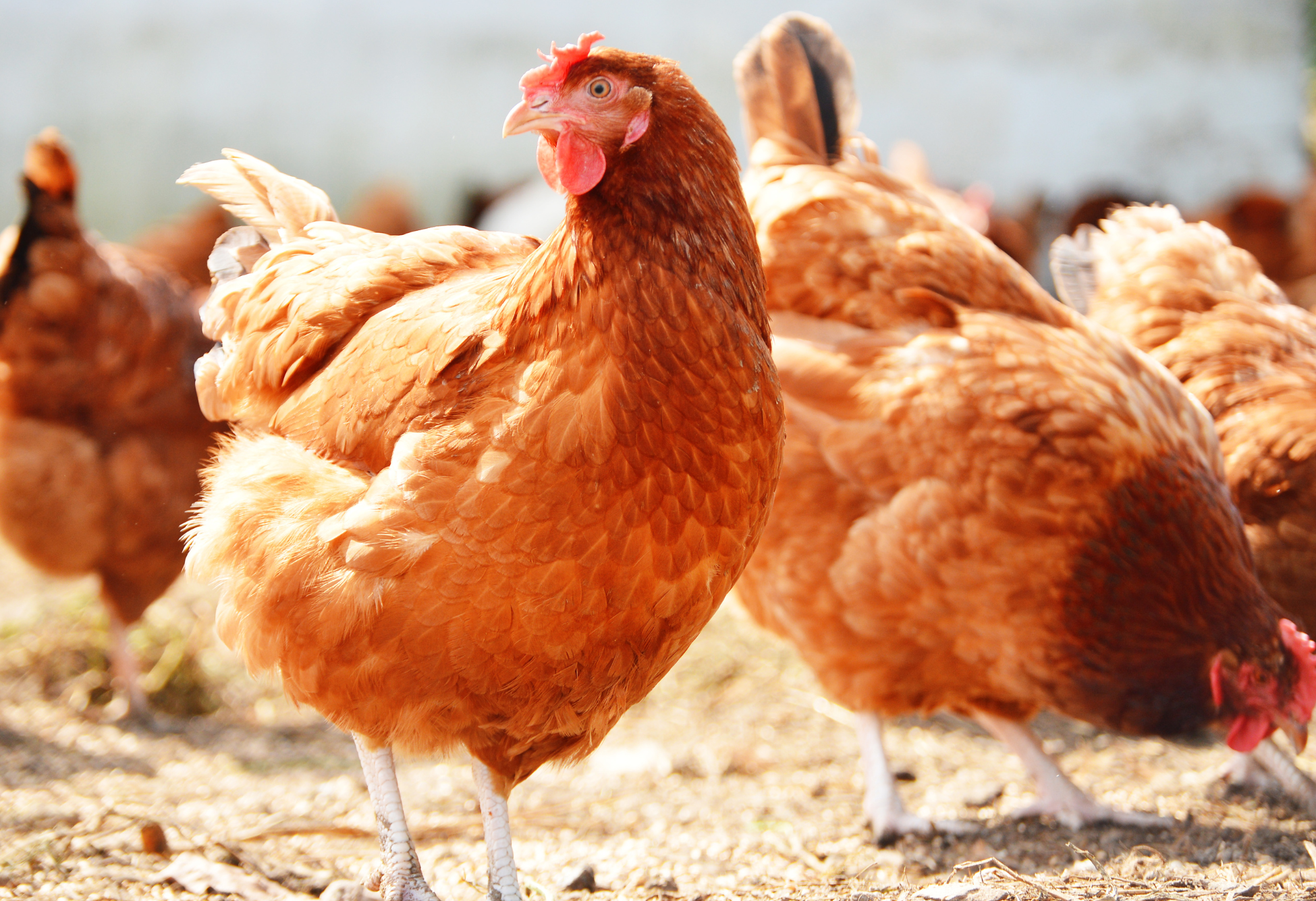
Heat Stress in Poultry
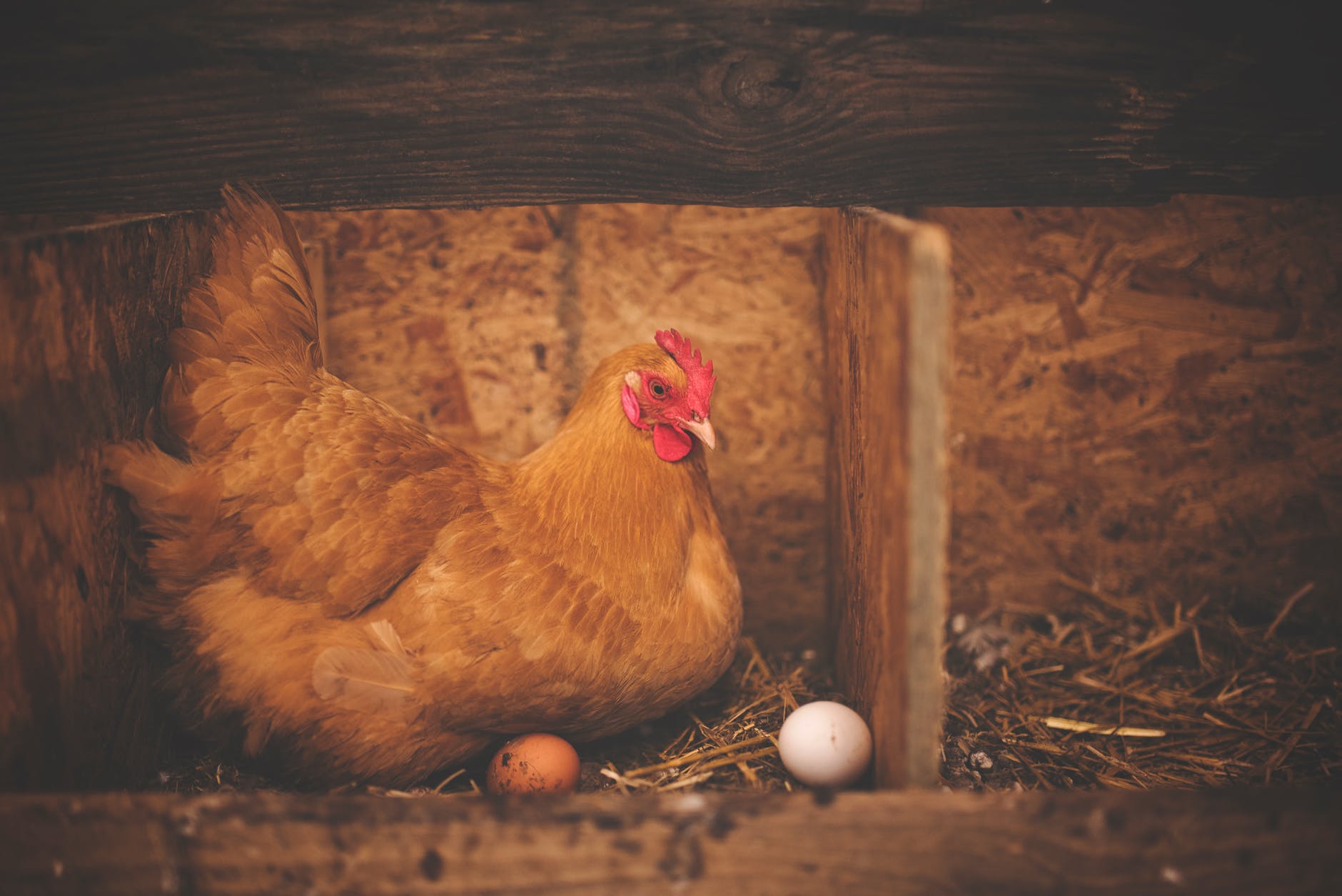
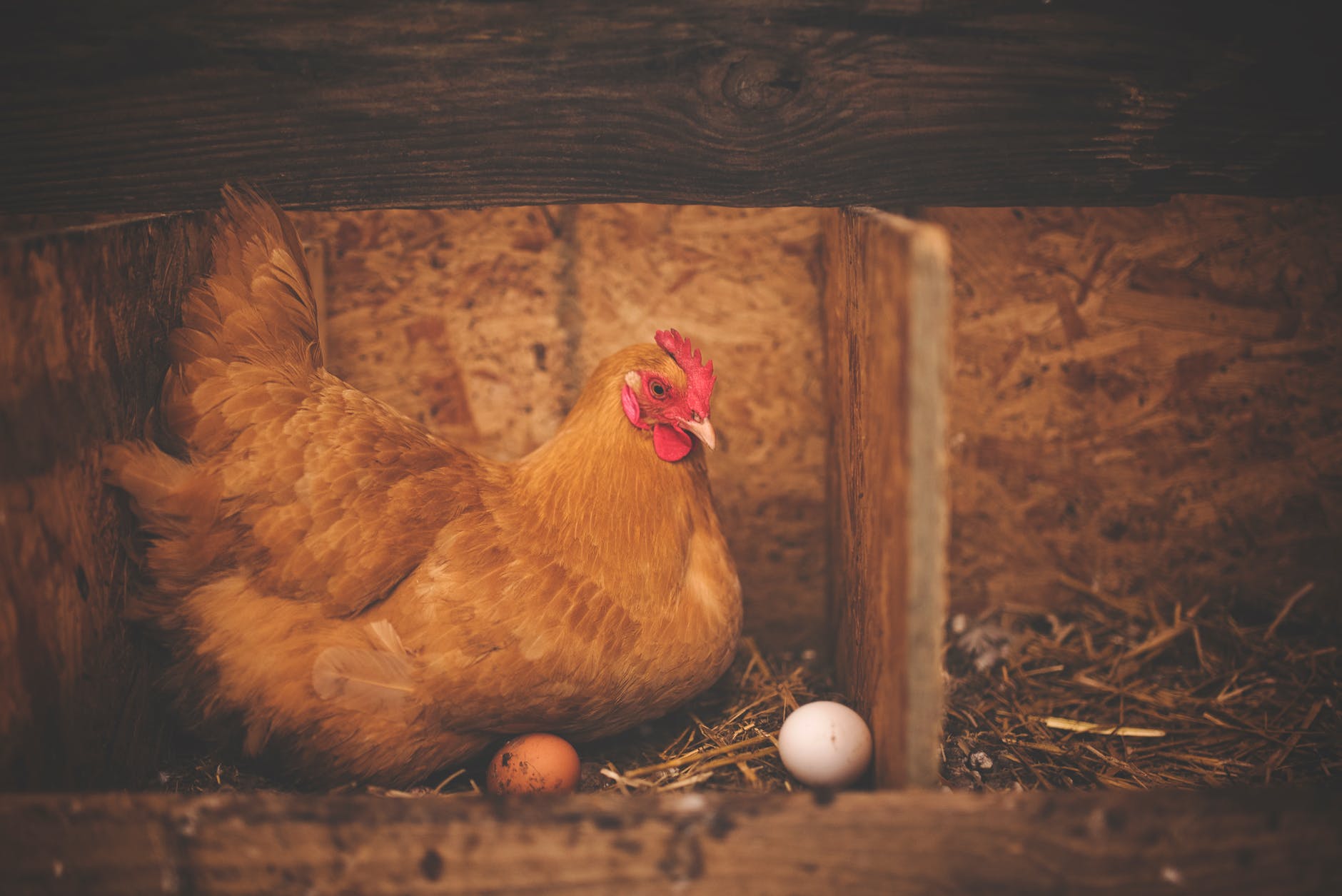
POULTRY HEAT STRESS
Advice from Tecnozoo Veterinarians
Stress can be defined as the set of responses of the organism to a stimulus or event (stressor) that alters the animal’s homeostasis.
Homeostasis is the ability of the organism to maintain stable internal conditions despite changes in the external environment.
Heat represents one of the main stressors in the poultry sector, and the economic impact of heat stress on this industry is significant.
Reduced feed intake, growth rate, meat quality, egg-laying rate, eggshell quality, and increased mortality are the main effects of heat stress.
Birds, lacking sweat glands, exchange heat with the environment through their body surface: by increasing blood flow to superficial blood vessels, they dissipate heat.
However, when environmental conditions do not allow an optimal temperature and humidity gradient for this exchange, birds resort to open-beak breathing or “panting,” an evident symptom of heat stress. By increasing respiratory rate, heat and moisture are eliminated through greater exchange between inhaled air and the blood vessels of the air sacs.
Genetic selection has led to performance levels so high that animals have become more susceptible to heat stress.
Higher productive “pressure,” requiring intense metabolic activity, generates an amount of heat that cannot be adequately dissipated through the body surface when temperature and humidity conditions are not optimal.
This is particularly evident in broilers, where genetic selection has strongly altered the ratio between body surface and body weight, compromising heat dissipation and making respiratory compensation unavoidable.
Effects of Heat Stress in Poultry
One of the main effects of heat exchange through panting is the onset of alkalosis, i.e., an increase in blood pH.
As respiratory frequency increases, the amount of carbon dioxide expelled through exhalation increases, resulting in a rise in blood pH.
A direct consequence of this condition is the reduced availability of calcium bicarbonate for eggshell mineralization, leading to decreased shell strength.
Heat stress also alters the animal’s neuroendocrine profile. Through activation of the hypothalamic–pituitary–adrenal axis, cortisol production increases, exerting an immunosuppressive effect.
Animals affected by heat stress show reduced development of immune organs and a lower number of circulating antibodies.
Another significant negative effect of heat stress is the increased production of ROS (Reactive Oxygen Species), commonly known as free radicals.
Although poultry possess systems capable of preventing these metabolic by-products from causing oxidative cell damage, under stress conditions the excessive production of ROS overwhelms antioxidant defenses, potentially leading to cell death.
Strategies to Combat Heat Stress in Poultry
The most advantageous short-term managerial solutions include implementing pre-acclimation programs with gradually increasing temperatures before high-risk periods to enhance thermotolerance, adopting feed restriction protocols, and installing cooling systems.
Dietary Protein Level
Dietary protein content plays a crucial role when temperature management becomes difficult.
In the past, it was recommended to increase dietary protein levels to compensate for reduced feed intake during heat stress, in order to maintain growth performance.
Several studies have disproved this practice, showing that improved protein utilization can compensate for reduced intake.
However, the ideal protein balance remains controversial. It appears that growth suppression caused by heat stress can be reduced by supplementing lysine and methionine.
This suggests that providing essential amino acids helps maintain growth rates without the need to increase overall dietary protein levels.
Vitamin and Electrolyte Support in Drinking Water
Increased electrolyte excretion is one of the main consequences of heat stress in poultry.
Resulting imbalances lead to reduced growth rates in broilers and reduced egg weight and shell quality in laying hens.
Supplementing electrolytes through rehydrating solutions helps buffer these imbalances, restoring electrolyte balance and increasing the animal’s resistance to heat stress.
Vitamins play an important role in immune function and antioxidant systems that counteract the harmful effects of ROS produced during heat stress.
Physiological alterations associated with heat stress
Physiological alterations associated with stress reduce vitamin absorption and utilization, increasing the animal’s vitamin requirements to maintain biological functions.
Even vitamins not normally considered essential requirements, such as vitamin C—which is endogenously synthesized in poultry—need supplementation during heat stress due to increased metabolic demand.
Several studies therefore recommend supplementing diets with electrolytes and vitamins during heat stress to mitigate its harmful effects.
Plants and Plant Derivatives
Numerous studies show that extracts from certain plants help reduce the effects of heat stress in poultry thanks to their active compounds.
For example, white willow contains salicin, polyphenols, and flavonoids that act at different levels within the organism, helping restore physiological and oxidative balance during critical phases of the production cycle, such as periods of heat stress.
Would you like to receive more Tecnozoo articles on the poultry sector?
Subscribe to the Newsletter
Discover more about the poultry world
BIBLIOGRAPHY
- “Impact of Heat Stress on Poultry Production” – Lucas J. Lara, Marcos H. Rostagno
- “Mitochondrial Oxidative Damage in Chicken Skeletal Muscle Induced by Acute Heat Stress”- Ahmad Mujahid+ , Neil R. Pumford, , Walter Bottje, , Kiyotaka Nakagawa- , Teruo Miyazawa- , Yukio Akiba+ and Masaaki Toyomizu
- “Strategies for preventing heat stress in poultry” – H. LIN1, H.C. JIAO1, J. BUYSE2 and E. DECUYPERE2
- “Thermal balance and thermo-regulation in poultry” – Dr Robert Teeter, Oklahoma State University, Poultry Digest, May 1994, p10
- “Poultry feeding under heat stress conditions”- Dr Salah H. Esmail
- “EFFECT OF THE DIETARY WILLOW BARK EXTRACT (SALIX ALBA) ON THE CAECAL MICROBIAL POPULATION OF BROILERS (14-28 DAYS) REARED AT 32˚C” – M. Saracila; T.D. Panaite; C. Soica; C. Tabuc; M. Olteanu; C. Predescu; C.M. Rotar; R.D. Criste
- Dietary Willow Bark Extract for Broilers Reared Under Heat Stress Mihaela SARACILA, Tatiana Dumitra PANAITE, Petru Alexandru VLAICU, Cristina TABUC, Mihai Laurentiu PALADE, Teodor GAVRIS and Rodica Diana CRISTE