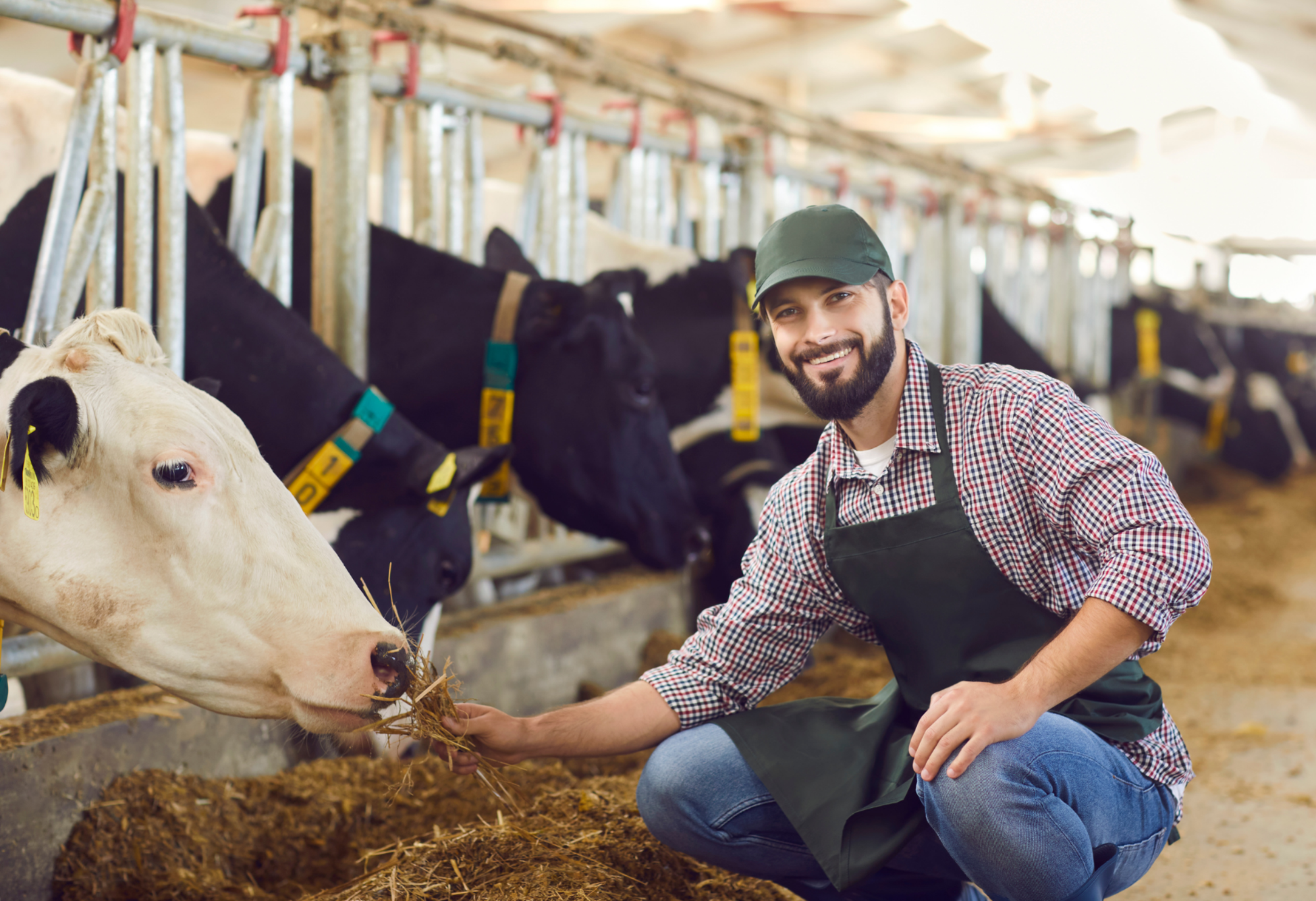
Oxidative stress in dairy cows: causes, damage and advanced nutritional strategies
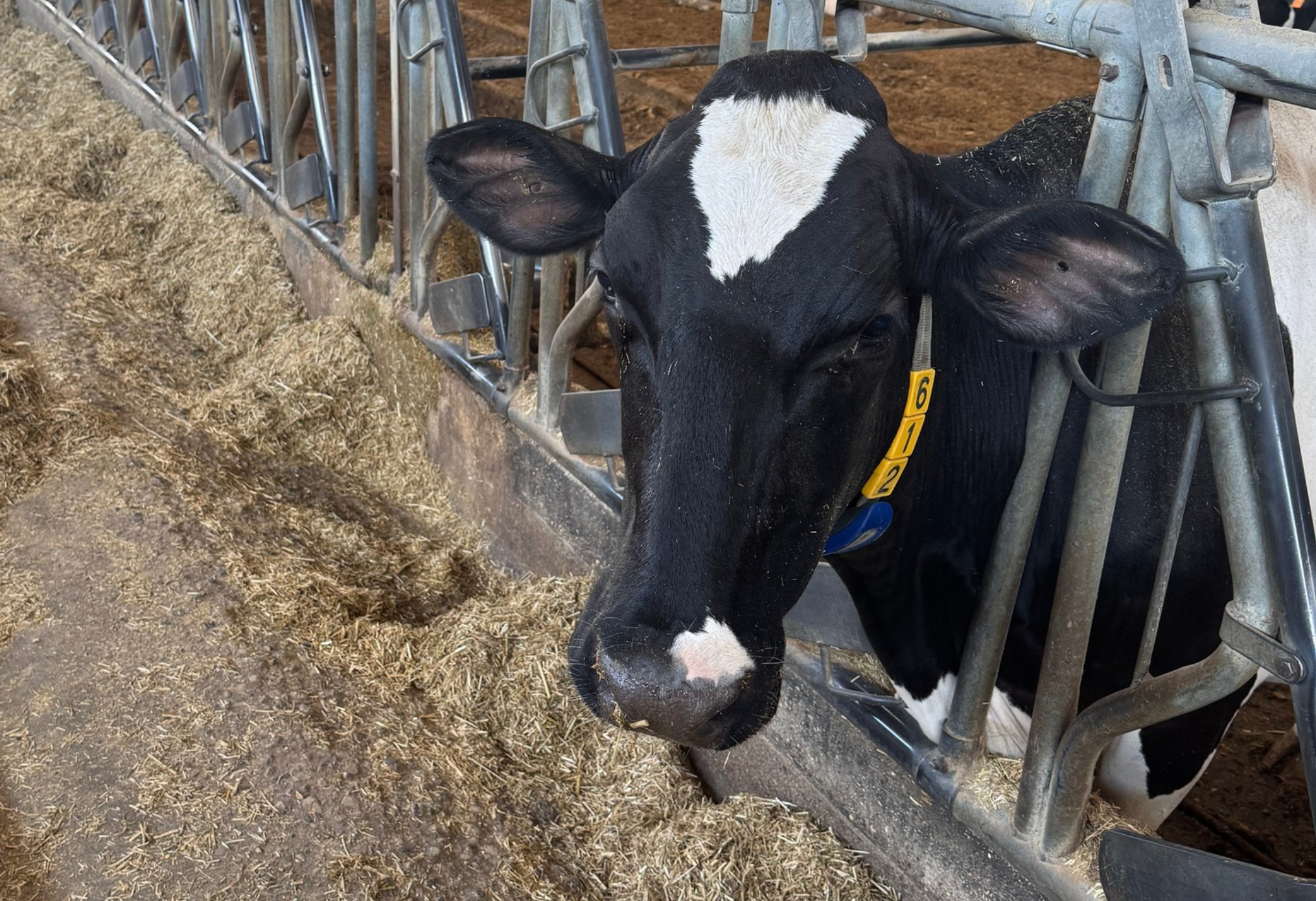
The transition period – that is, the three weeks preceding and the three weeks following calving – represents the most delicate and crucial phase of the dairy cow’s entire production cycle. Within this complex metabolic context, oxidative stress often acts as a silent trigger for a whole host of problems, including reduced milk yield and decreased fertility.
Nowadays, modern cattle farms can no longer afford to underestimate this phenomenon.
The targeted management of oxidative stress through the use of natural antioxidants and advanced phytochemicals helps to promote animal welfare and contributes to production efficiency and farm profitability.
What is oxidative stress and why does it affect dairy cows during the transition period?
Oxidative stress occurs when there is a significant imbalance within the body between the production of free radicals and the ability of the endogenous and exogenous antioxidant defence systems to neutralise them.
In dairy cows, this imbalance finds its ideal conditions during the transition period, and it is precisely at this stage that two critical events occur simultaneously:
- The surge in energy and metabolic requirements: the onset of colostrum synthesis and lactation requires a massive expenditure of energy.
- Feed intake depression: for physiological and management-related reasons, dairy cows drastically reduce their dry matter intake in the days immediately around calving.
This energy imbalance forces the animal to draw heavily on its bodily reserves (particularly adipose tissue) and, by triggering this metabolic process, the cow exponentially increases the production of free radicals at a cellular level.
This excess of ROS selectively attacks cellular structures, triggering lipid peroxidation of cell membranes, impairing tissue function and setting off a dangerous systemic inflammatory cascade.
Critical developments during calving
Analysis of oxidative stress trends in dairy cows shows that levels of peroxides and free radicals begin to rise in the immediate pre-partum period, before surging dramatically and reaching their peak around five days after calving. It is precisely during this time frame that the cow’s body is most vulnerable to metabolic disorders, infections and irreversible declines in reproductive performance.
The economic and health implications on the farm
A prolonged state of oxidative stress that is not properly managed has a significant impact on the farm’s profit margins, affecting three main areas:
- A drastic decline in fertility: free radicals damage oocytes and the uterine environment, seriously compromising key reproductive parameters such as the Conception Rate (CR) and the Pregnancy Rate (PR). This results in a longer ‘open period’ and increased insemination costs.
- Weakened immune system: an organism under oxidative stress responds inefficiently to pathogenic challenges, increasing the incidence of mastitis, retained placenta and metritis in the postpartum period.
- Loss of productive efficiency: reduced cell integrity and inflammatory processes divert precious energy and nutrients that would otherwise be channelled into milk production.
The key role of phytochemicals: polyphenols, salicylates and red grapevine in combating excess free radicals
To effectively combat the damage caused by free radicals, modern animal nutrition moves beyond an approach based solely on synthetic substances and relies on the power of natural phytochemicals. Several scientific studies confirm the effectiveness of specific plant molecules in modulating metabolism and protecting cells:
1. Phenols and polyphenols from hydrolysed lignocellulose
Lignin is a complex plant polymer consisting of phenylpropane units (coniferyl, coumaryl and sinapyl alcohols), the combination of which forms lignans. In nature, plants use these substances as a defensive barrier against fungi, bacteria and viruses, and as an antioxidant shield against solar radiation. When introduced into the diet of ruminants, lignans are beneficially modified by the ruminal and intestinal microflora, are subsequently absorbed, and exert a direct protective and antioxidant effect on cell membranes.
2. Natural salicylates (White Willow and Meadowsweet)
Salicylic acid – a natural precursor of the well-known acetylsalicylic acid molecule – is traditionally extracted from the bark of the white willow (Salix alba) and from Spirea ulmaria (Filipendula ulmaria), which synthesise the substance to protect themselves from biotic and abiotic attacks. In dairy cows, natural salicylates act as powerful natural modulators of post-partum inflammation and fever, helping the animal to get through the critical phase without overburdening the liver.
3. Red Grape (Vitis vinifera)
An extraordinary plant-based concentrate that supports microcirculation and provides powerful natural antioxidants (anthocyanins and polyphenols), which work in perfect synergy with white willow and spirea.
A field trial with Normoterm Orac
To experience first-hand the benefits of a targeted nutritional strategy to combat oxidative stress, Tecnozoo – as part of a university thesis in collaboration with the Hungarian university Kaposvári Egyetem – monitored a field trial involving a group of Holstein dairy cows.
The application protocol
The trial involved Normoterm Orac, which was administered according to a specific regimen:
- al parto: 300 grammi per capo somministrati entro le prime 12 ore dal parto all’interno del drench.
- During the first 30 days of lactation: 50 grams per animal per day, mixed directly into the total mixed ration (TMR).
Maintaining wellbeing and business continuity
Monitoring of physical and blood parameters during the trial showed that supplementation with antioxidant phytochemicals helps to:
- Supporting Total Antioxidant Status (TAS): by promoting the body’s own ability to neutralise free radicals in the bloodstream.
- Supporting the normalisation of reproductive health: by promoting a natural return to normal rates of conception and pregnancy maintenance, thereby ensuring business continuity.
- Protecting your investment in the dairy farm: supporting the cow’s welfare during the transition period helps to minimise the costs arising from metabolic imbalances and to maximise the farm’s efficiency
Protect your herd from the very first days after calving.
Managing oxidative stress requires targeted nutritional strategies backed by sound scientific evidence. Contact Tecnozoo’s team of nutritionists and vets to analyse the needs of your herd and devise the most suitable anti-stress protocol for your dairy cows.
Supporting studies and bibliography available on request.