
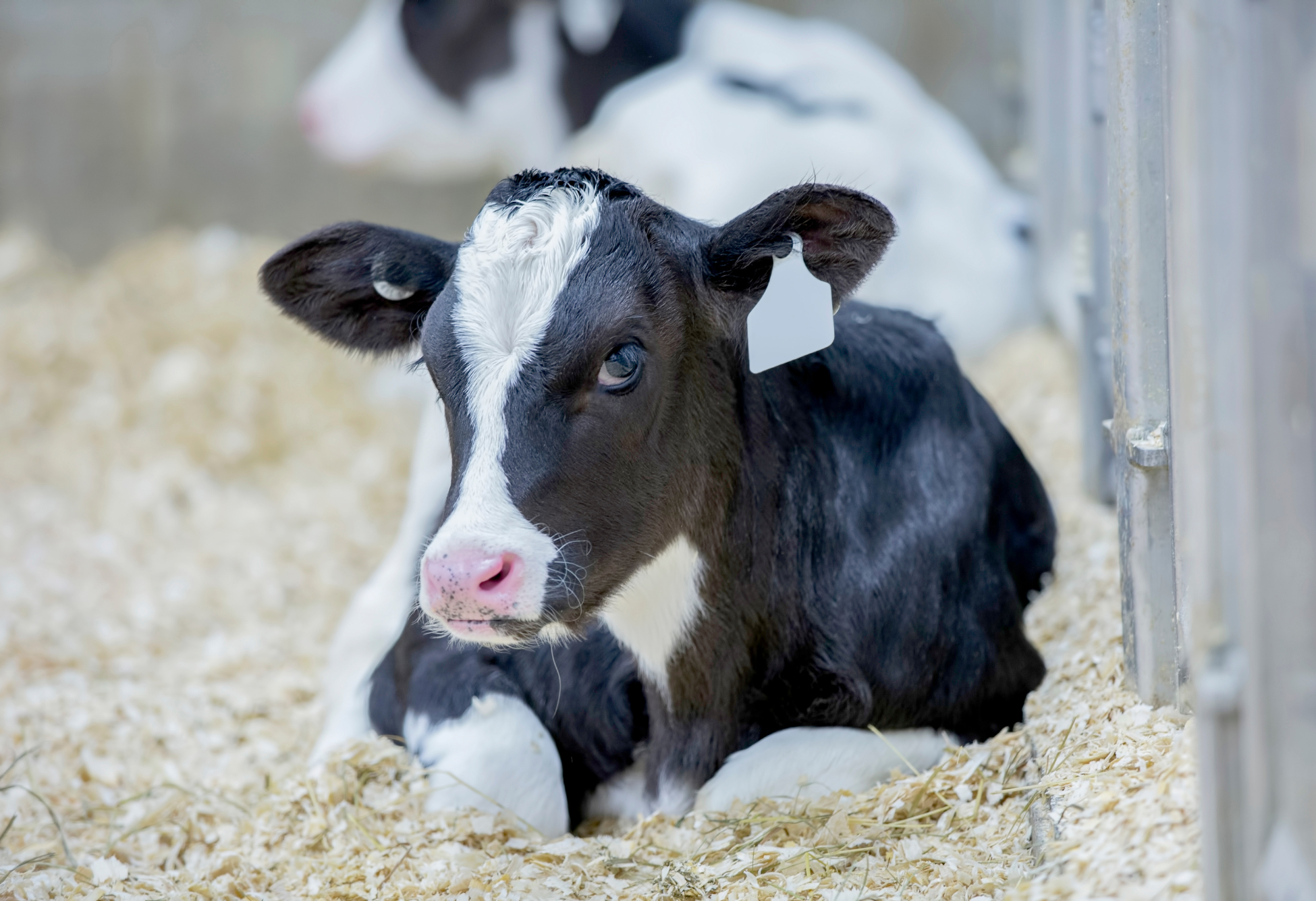
An important contribution from nature Probiotics, understood as microorganisms or their derivatives, have shown an interesting role in stimulating rumen development. Yeast cells, for example, contain RNA and free nucleotides, amino acids, B-group vit
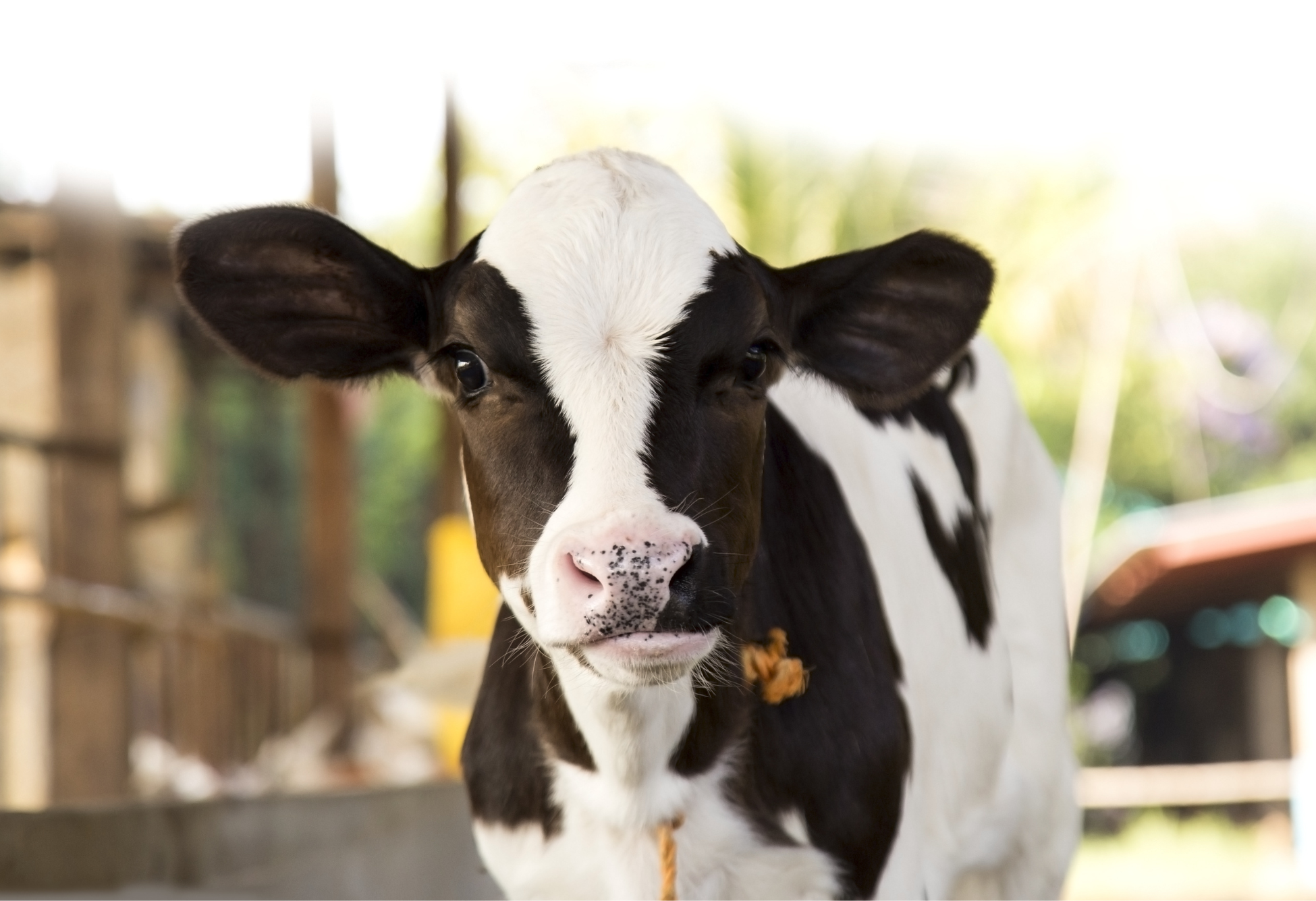
From monogastric to polygastric Development of the digestive tract in calves follows a uniquely organized system. In particular, thanks to the rumen and its colonization by microorganisms, the calf physiologically transitions from a pseudo-monogastri
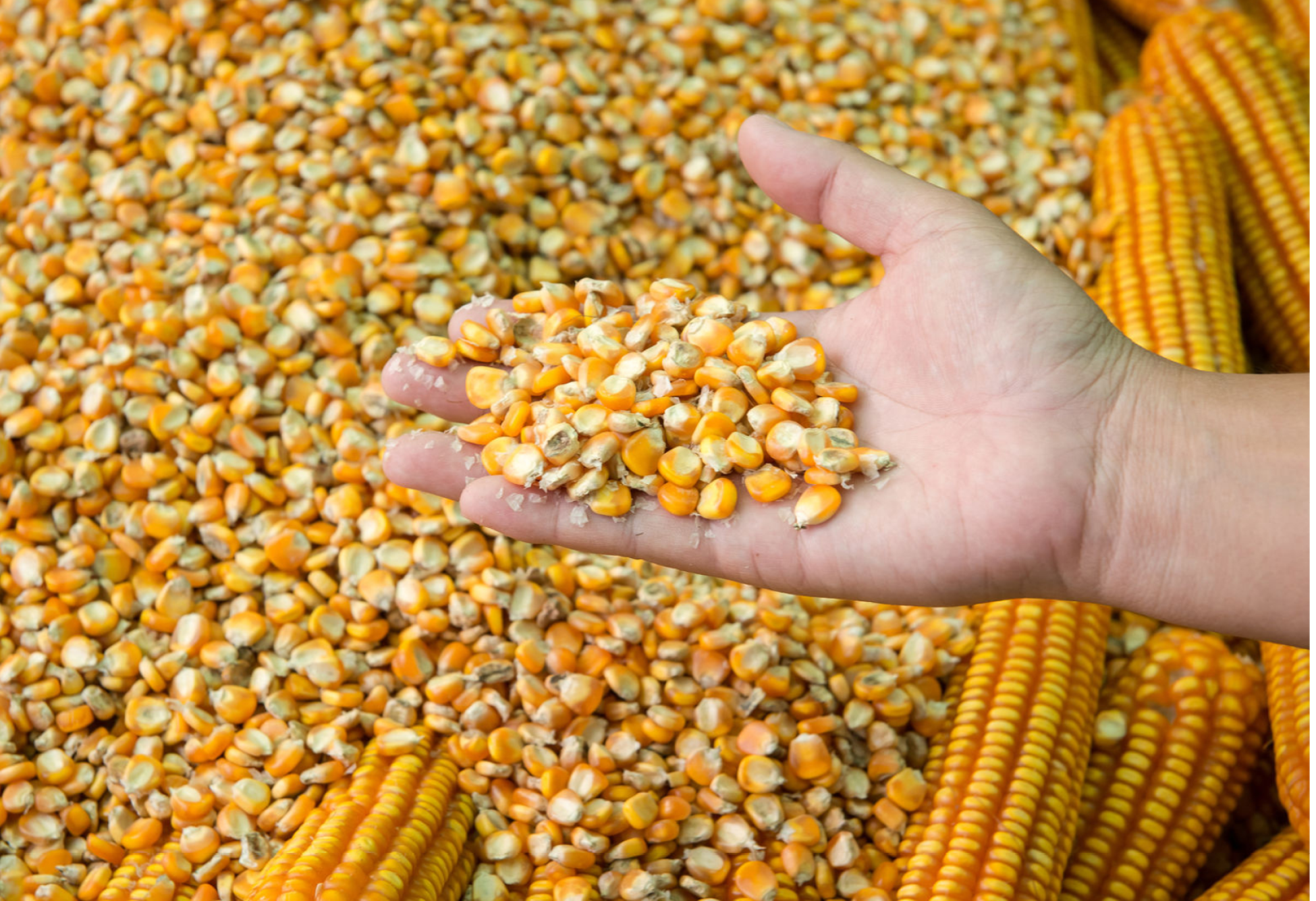
Climate variations in recent years, combined with current cultivation, harvesting, storage, and feed delivery techniques, have led to an increasing frequency of contamination of silages, cereals, and their by-products by fungi—particularly of the g
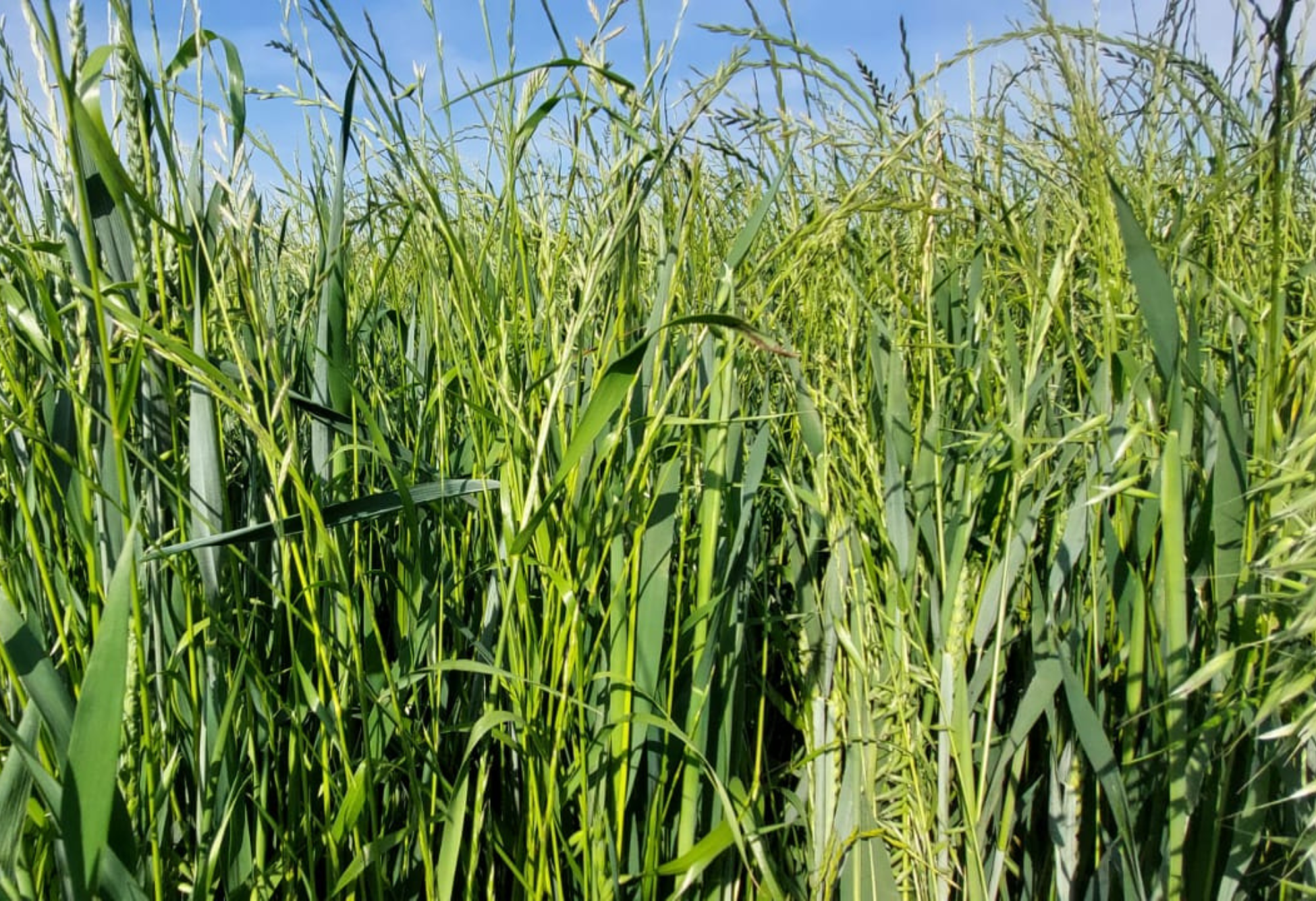
The advantage of using grass mixtures compared to single-species seeding The choice of pure ryegrass forage must follow strict criteria, as its tendency to absorb large amounts of potassium and nitrates makes it highly susceptible to lodging. Moreove
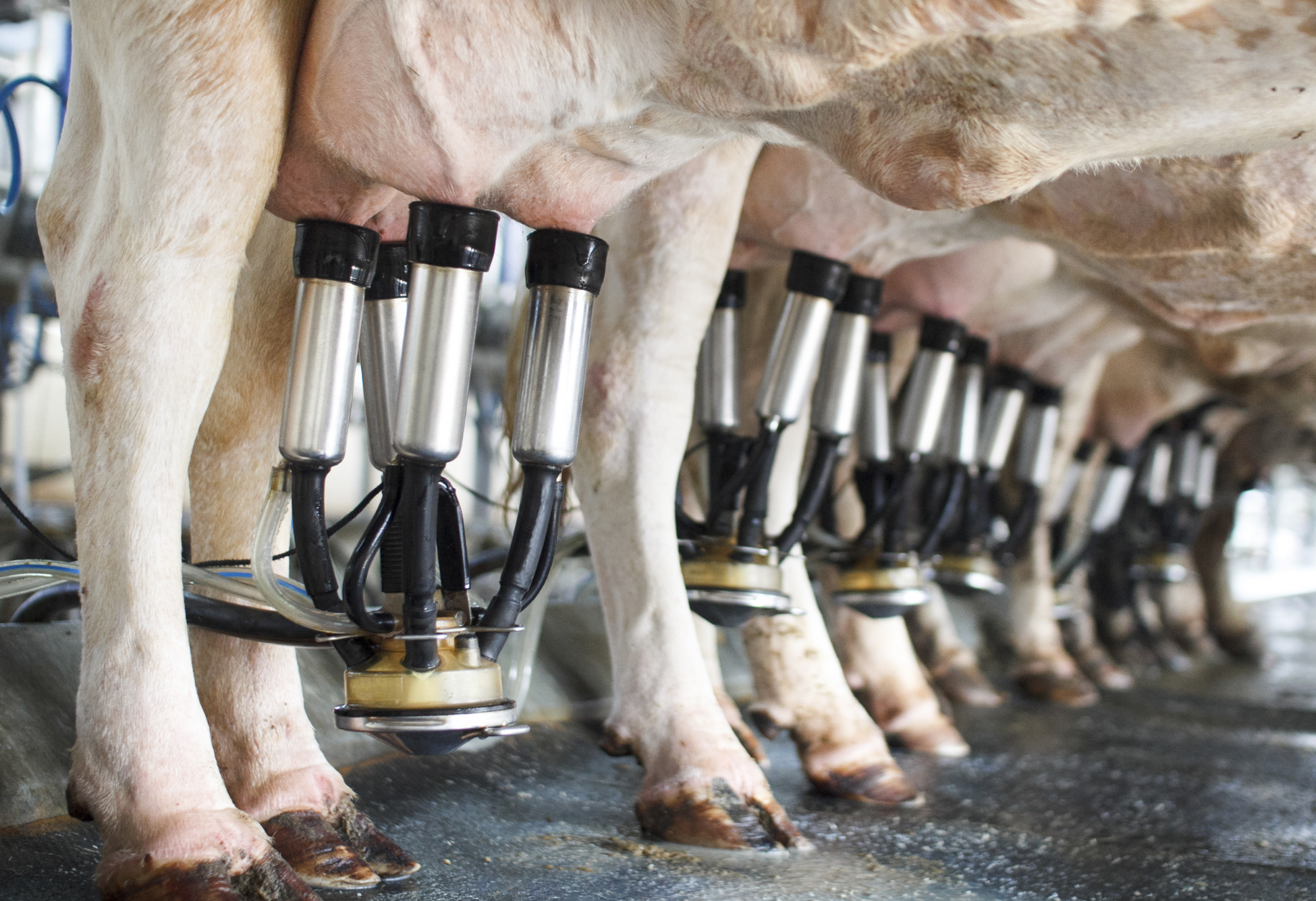
In this third article dedicated to syndromes typically observed in autumn on farms, we will address hoof-related problems. Hoof diseases, such as lameness, can be caused by various factors, including laminitis, which represents the final manifestatio
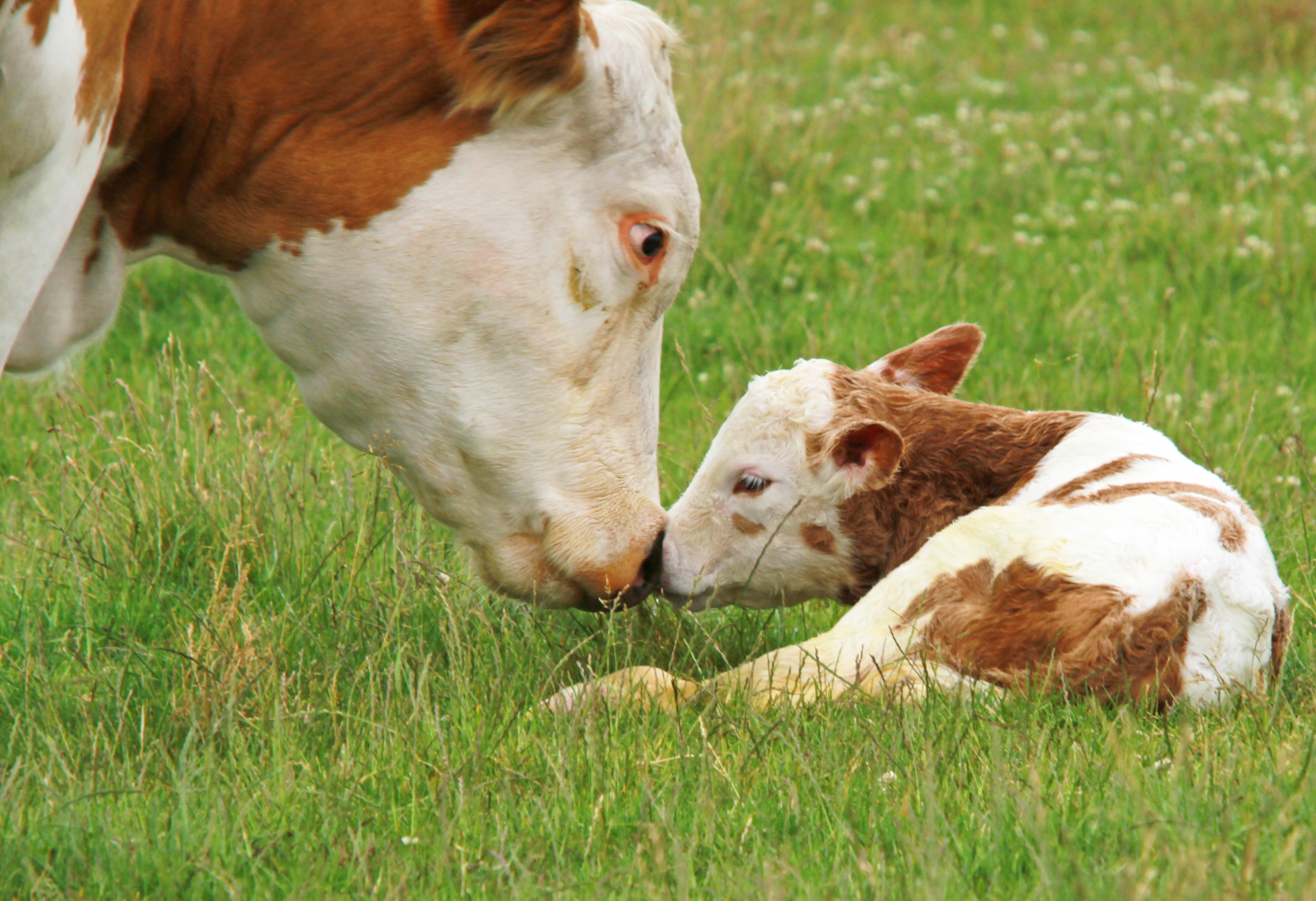
What happens after summer? Analysis of the main issues observed in late summer and autumn. Part II Alteration of the estrous cycle, with a consequent concentration of calvings toward the end of summer and autumn, very often leads to overcrowding and